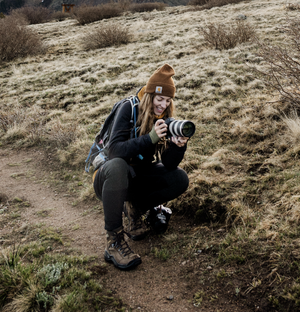
The 10 Best Hikes Near Denver For Your Elopement

The best part about moving to Denver in my 20’s was that I didn’t know anyone when I moved, so I spent a lot of time hiking! Turns out that was the best research I could have done for my future job as a Colorado elopement photographer because now I know exactly where the good views are, how long it actually takes to get there, and which ones are worth waking up at 4am for (all of them, honestly).
You'll notice that pretty much every hike on this list ends somewhere worth going. A waterfall, a mountain summit, an alpine lake. I'm a destination hiker. I need something to look forward to seeing or I will absolutely turn around. And hey, there's no shame in that! Just stay on trail and skip the shortcuts. Those little off trail paths wreck the vegetation and future hikers (and future couples) will thank you.
These are also, not coincidentally, the same kinds of spots I take couples for elopements, proposals, and engagement sessions. Knowing where the views are and how to get there without completely suffering is kind of my whole thing. So if any of these trails make you think "wait, I could get MARRIED here" , yes, you absolutely could, and I'd love to help you do that. More on that at the end.
But first — a quick note for anyone who feels like they don't belong out here. Hiking can feel intimidating when everyone passing you seems fitter and better equipped and like they definitely know what trekking poles are for. So here's my official guide to becoming a hiker:
Go outside
And thats it! Now you’re a pro, just like the rest of us! See you out there and happy trails!
The 10 Best Hiking Trails Near Denver For Your Elopement
Thinking about eloping on one of these trails? I help couples plan intimate Colorado elopements from start to finish — locations, permits, timing, the whole thing. Get in touch here and let's figure out your perfect spot!10. Sugarloaf Mountain Trail, Roosevelt NF 1.3 miles RT 439 feet elevation gain
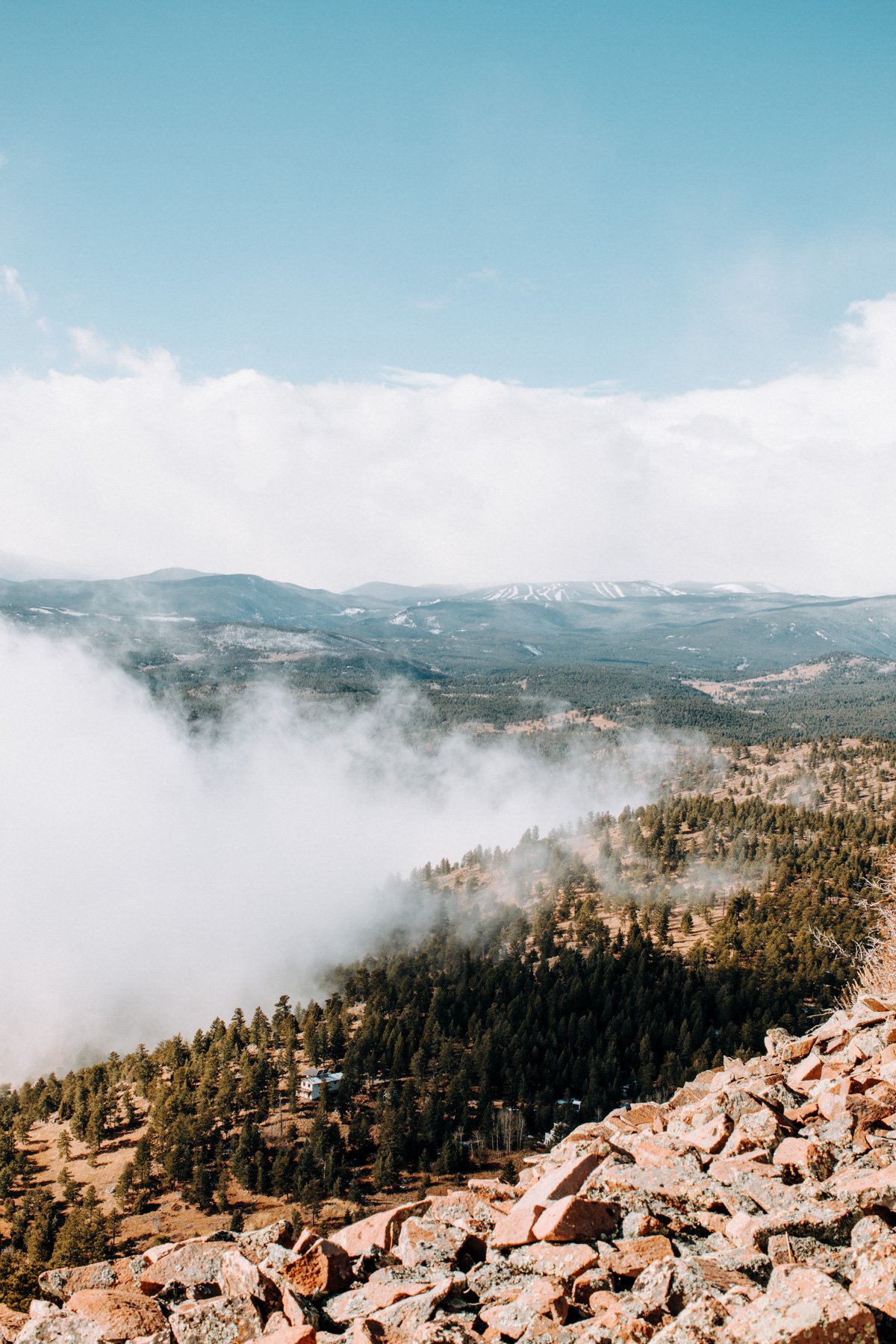
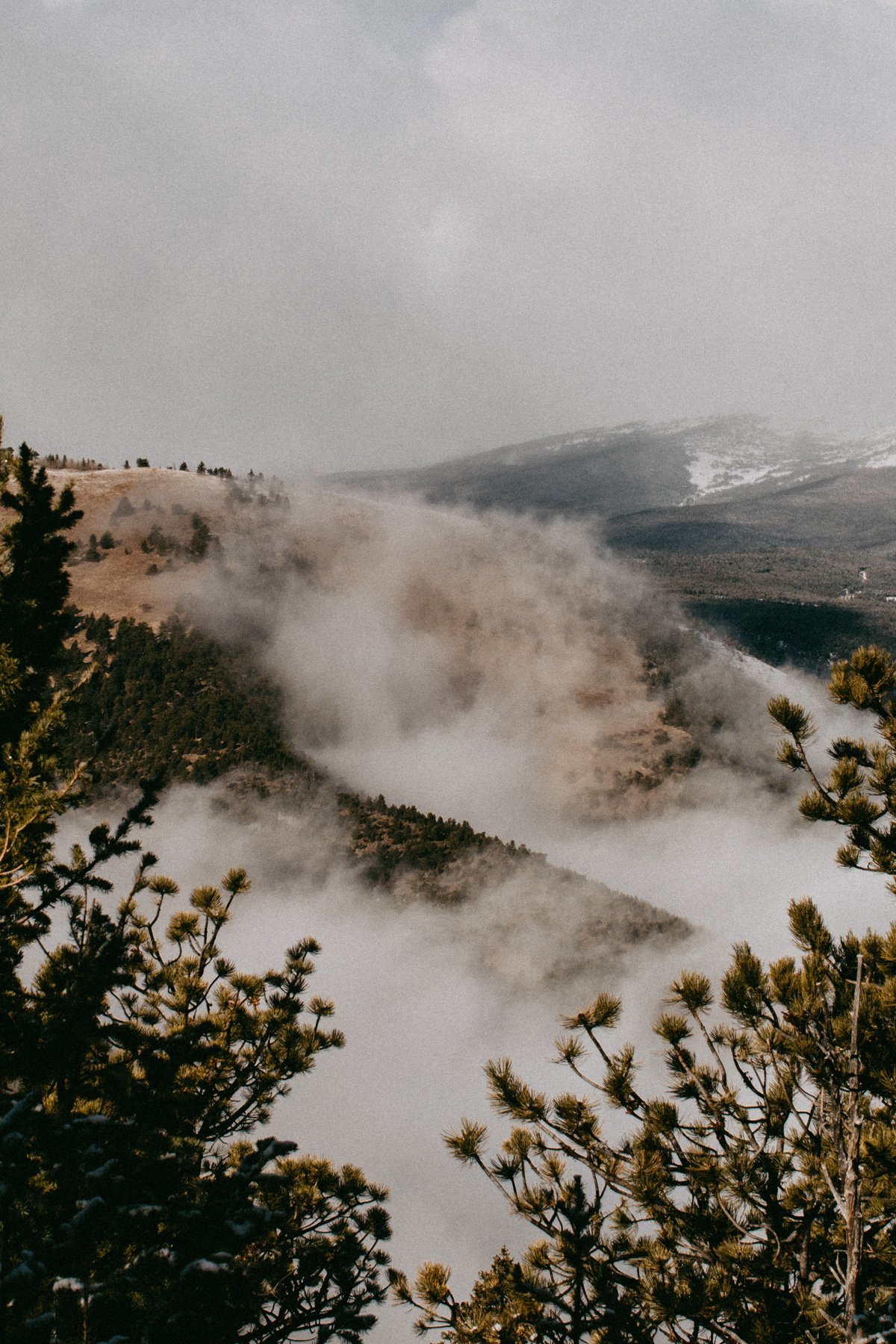
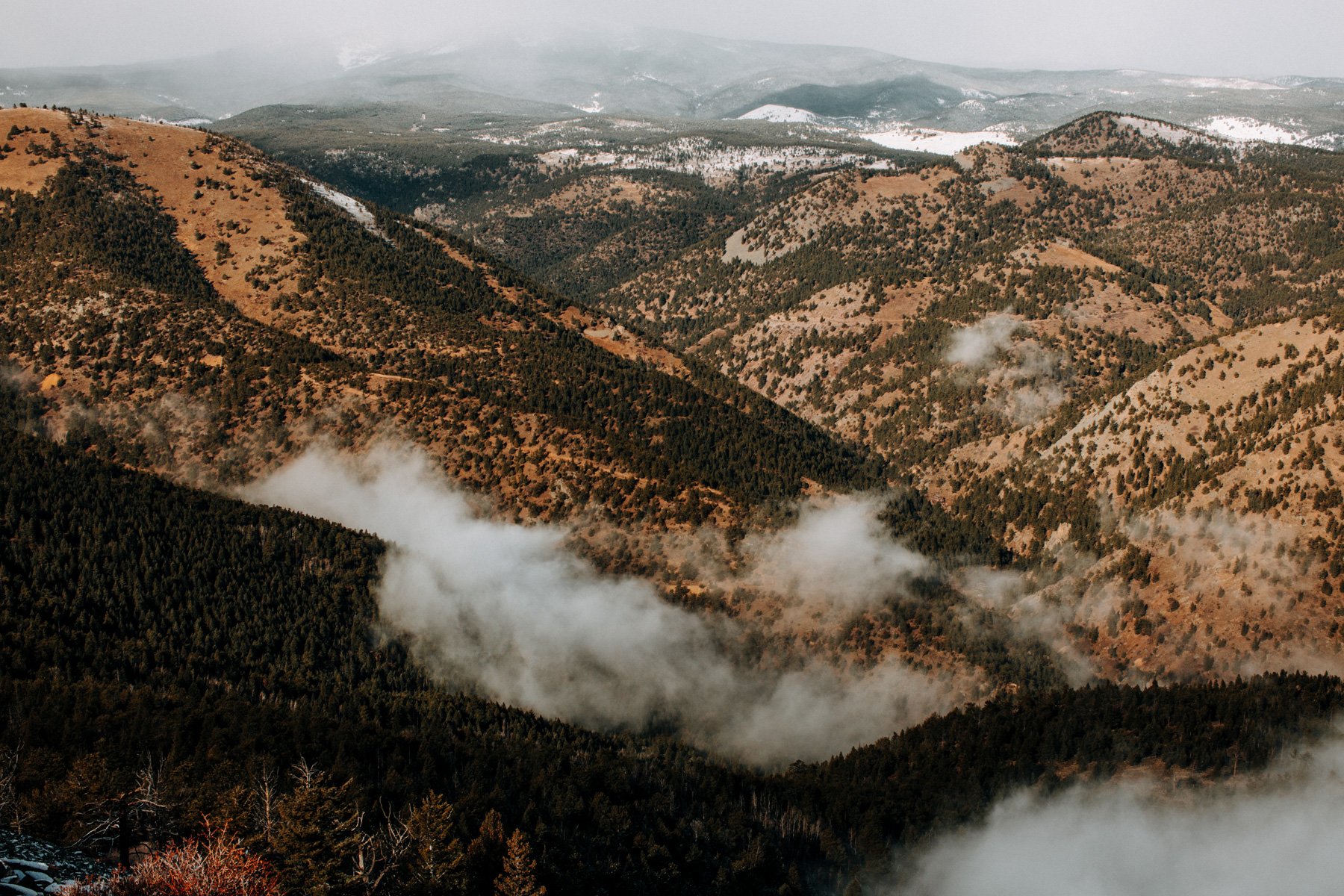
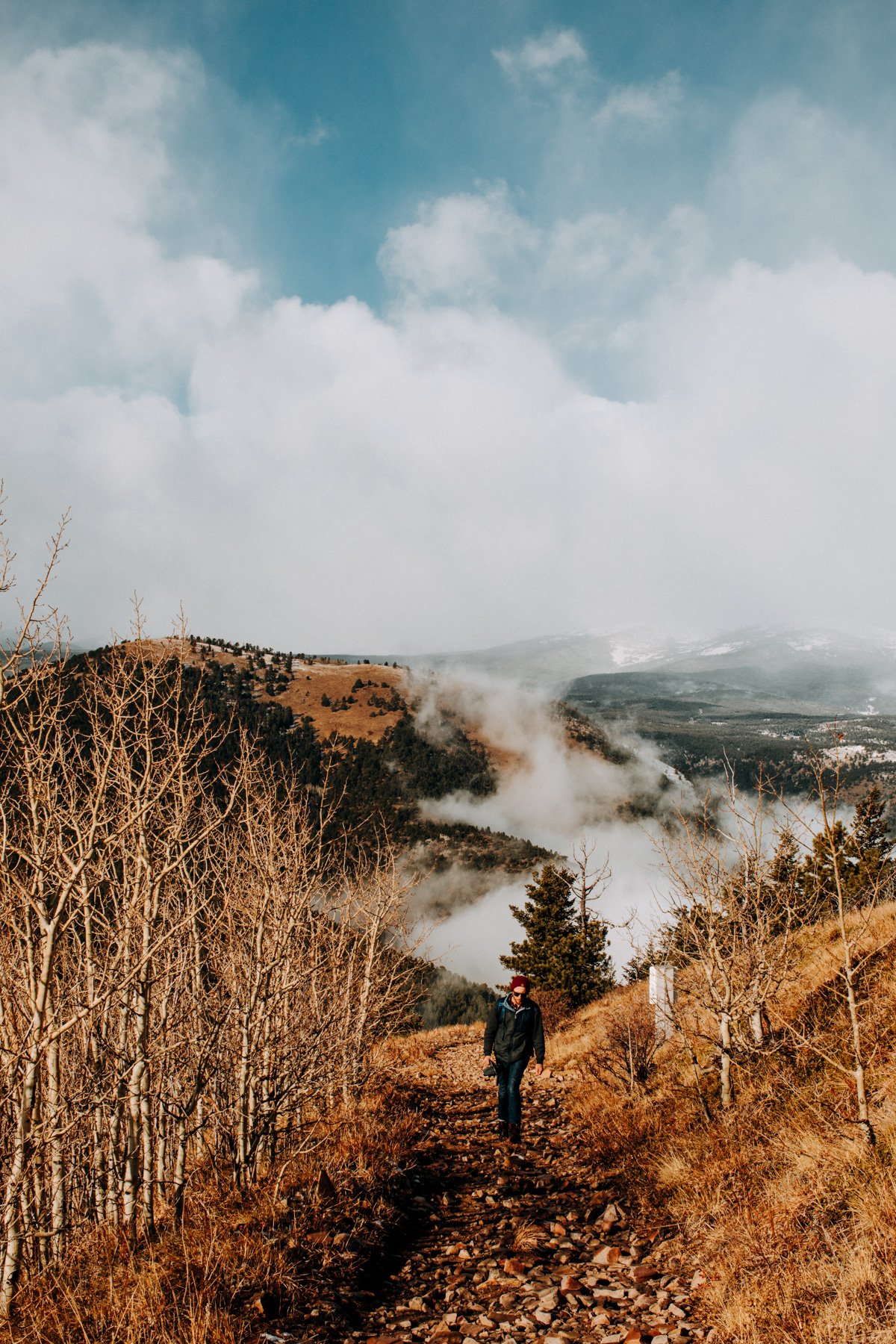
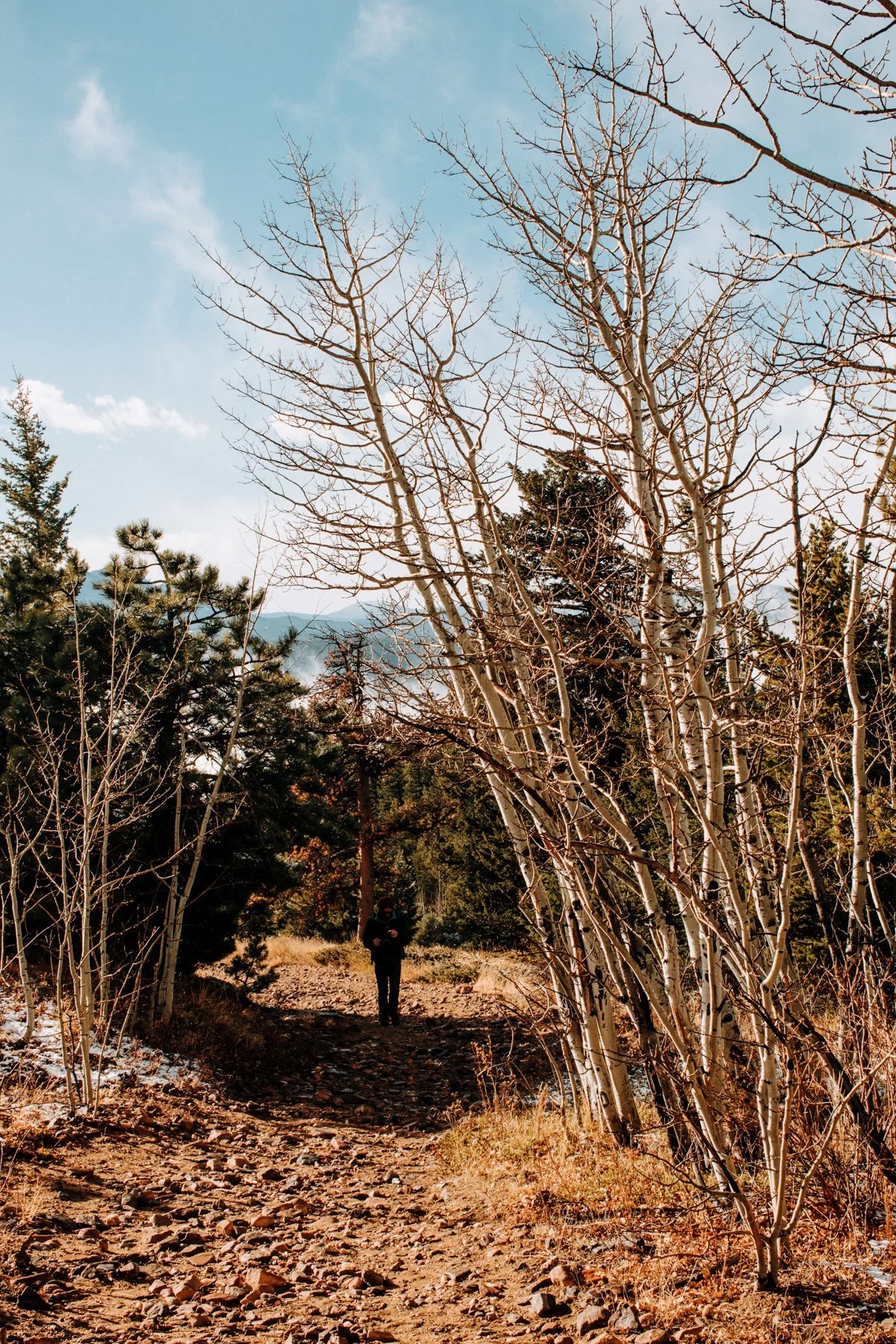
Sugarloaf Mountain is this tall little bald rocky mountain that sits about 30 minutes west of Boulder. My first time trying to find the trailhead was a disaster, so make sure you follow AllTrails directions taking you up Sugarloaf Mountain Road and not Peak Road! You’re welcome.
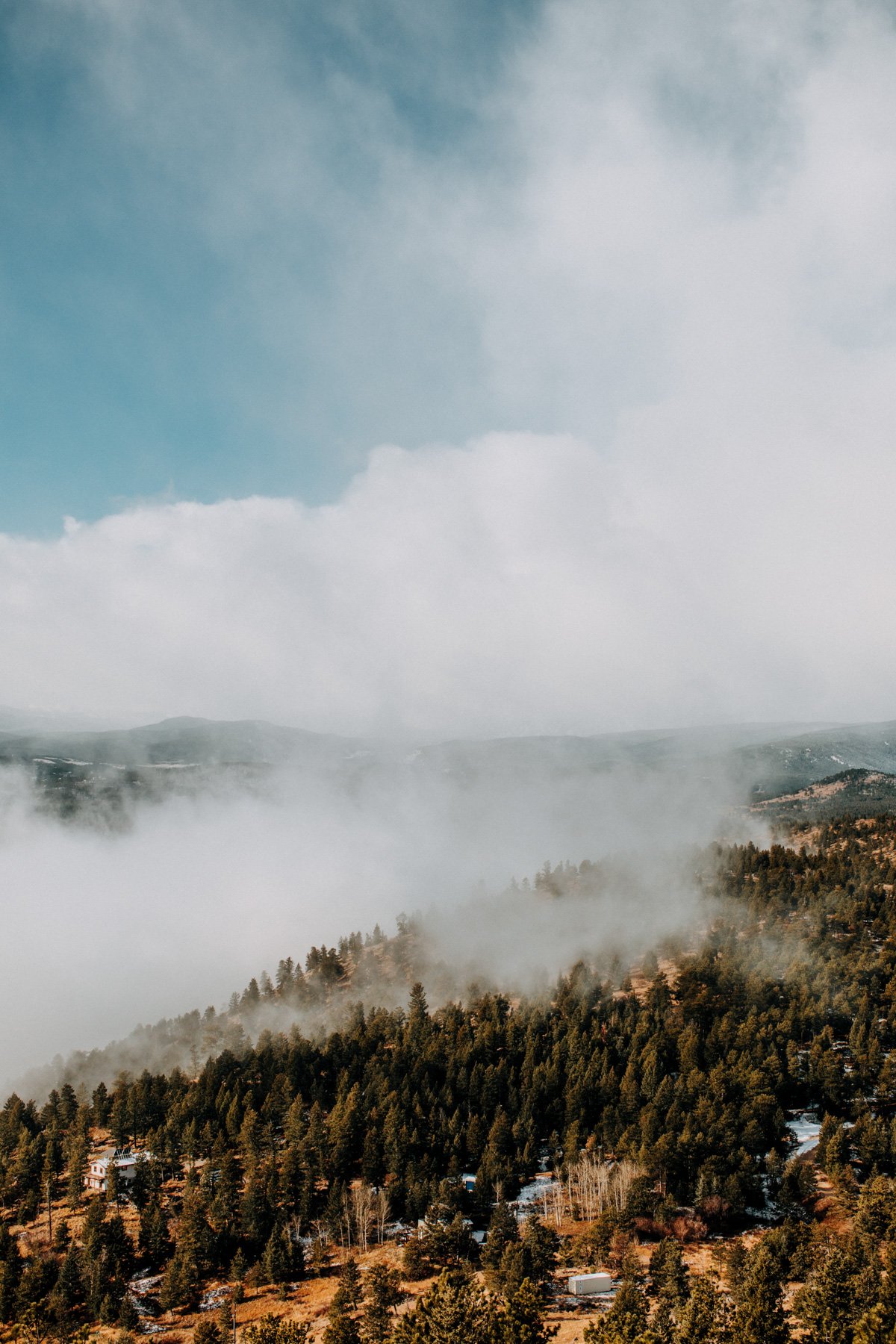
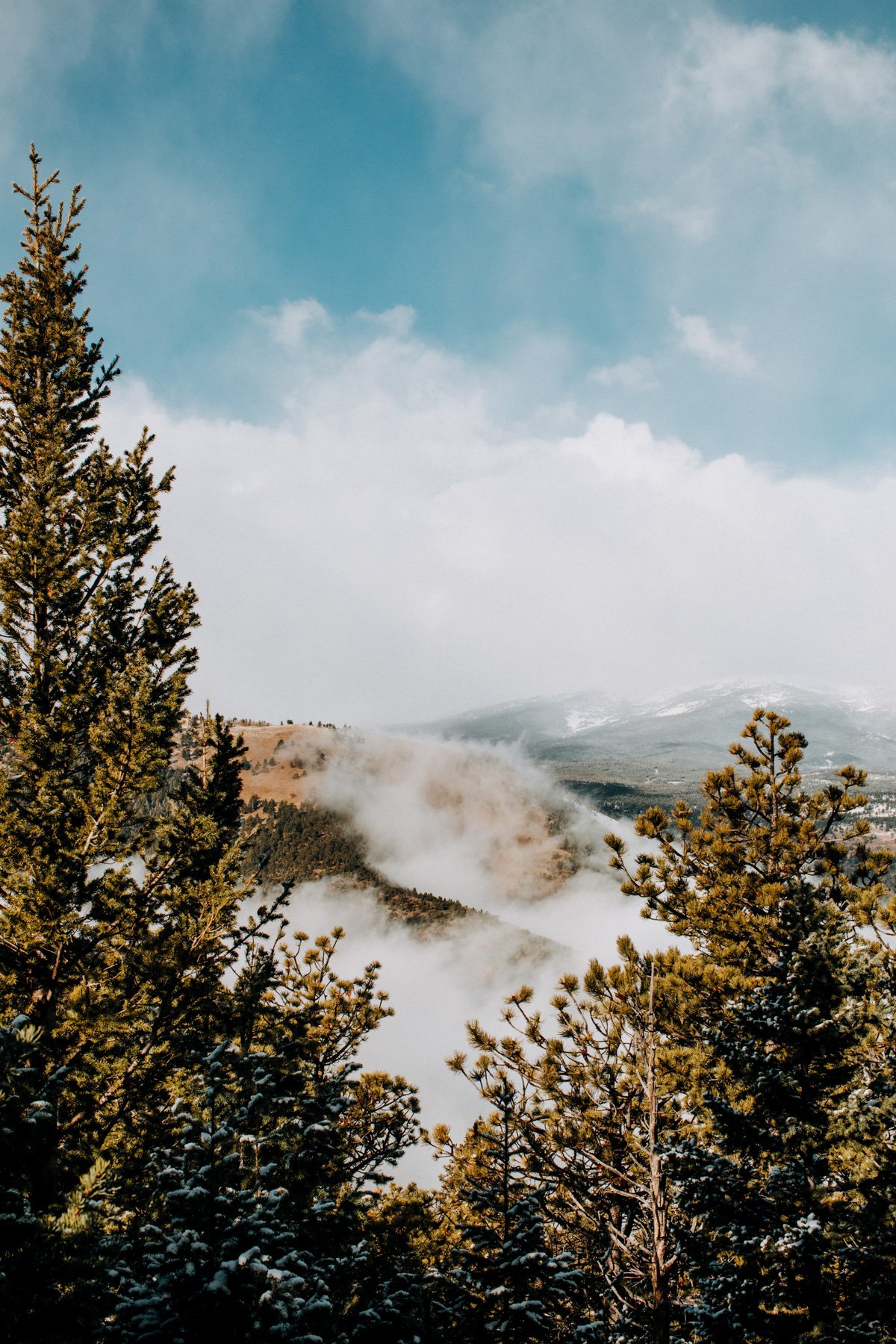
The hike is short but great in every season, just beware that the top can be pretty buggy in the summer. The view from the top is 360 degrees from the Indian Peaks to the west to the Boulder plains to the East! If you’re up there, keep an eye out for my sunski sunglasses that disappeared the last time I hiked here.
Elopement potential:Really high, actually. At sunrise this place is completely empty. Boulder is still asleep, the light is soft, and your dog absolutely thinks this is just a regular morning walk until you pull out the vows. No permit required since it's National Forest land, dogs are welcome on trail, and you can drive pretty close to the trailhead which makes logistics easy for anyone in a wedding dress. A+ low-key elopement spot that nobody talks about.
9. Lower Crystal Lake, White River NF 4.6 miles RT 1,601 feet elevation gain
I’ll be honest with you that I’ve never actually hiked this trail, I’ve only ever driven up it which you can totally do if you have 4x4. However, it is also a great hike! It takes you to the lower of the two Crystal Lakes (you can keep hiking to explore the upper lake, just south of Peak 10). While weekends can be busy, on weekdays hardly anyone else is ever up there, and if you’re up there for fourth of July you can see people set fireworks off of Peak 10, which is cool!
Elopement potential:Really solid. The seclusion factor here is medium - you're not going to have a crowd problem on weekdays. The 4x4 road access means you can get close without a full hike if needed, and National Forest land means no ceremony permit required if you have under 6 guests. Good option if you want that "middle of nowhere" feeling without going too far from Denver.
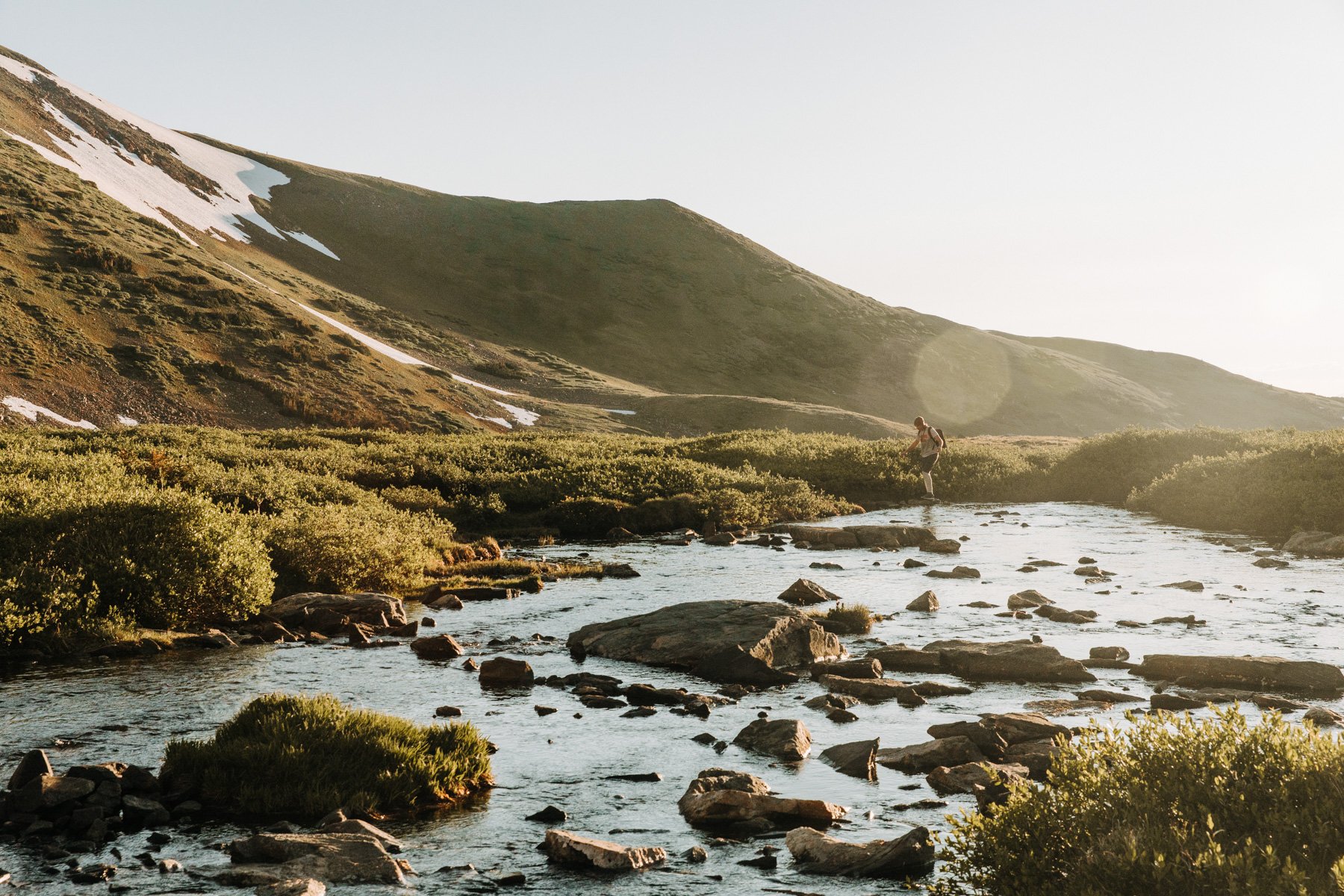
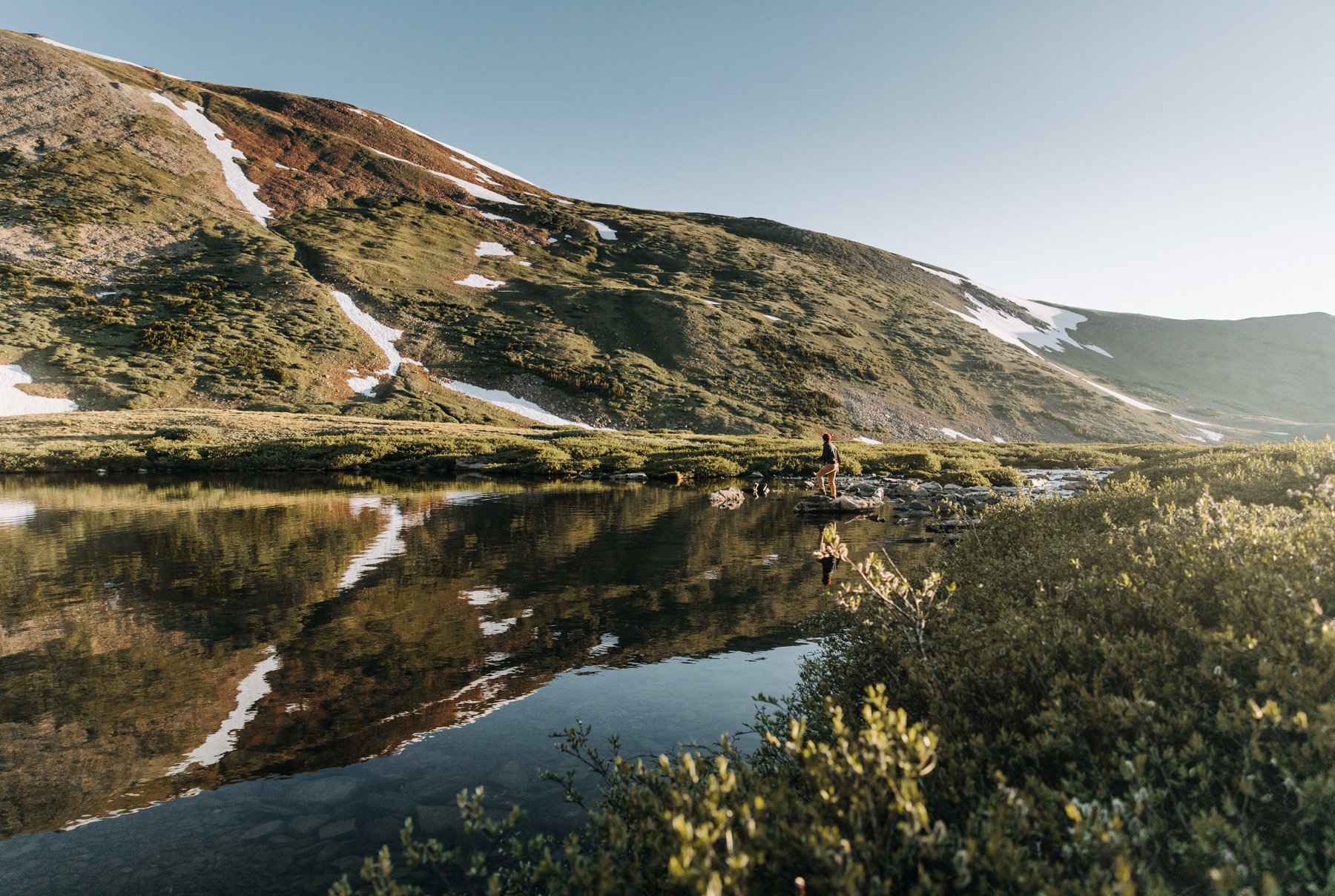
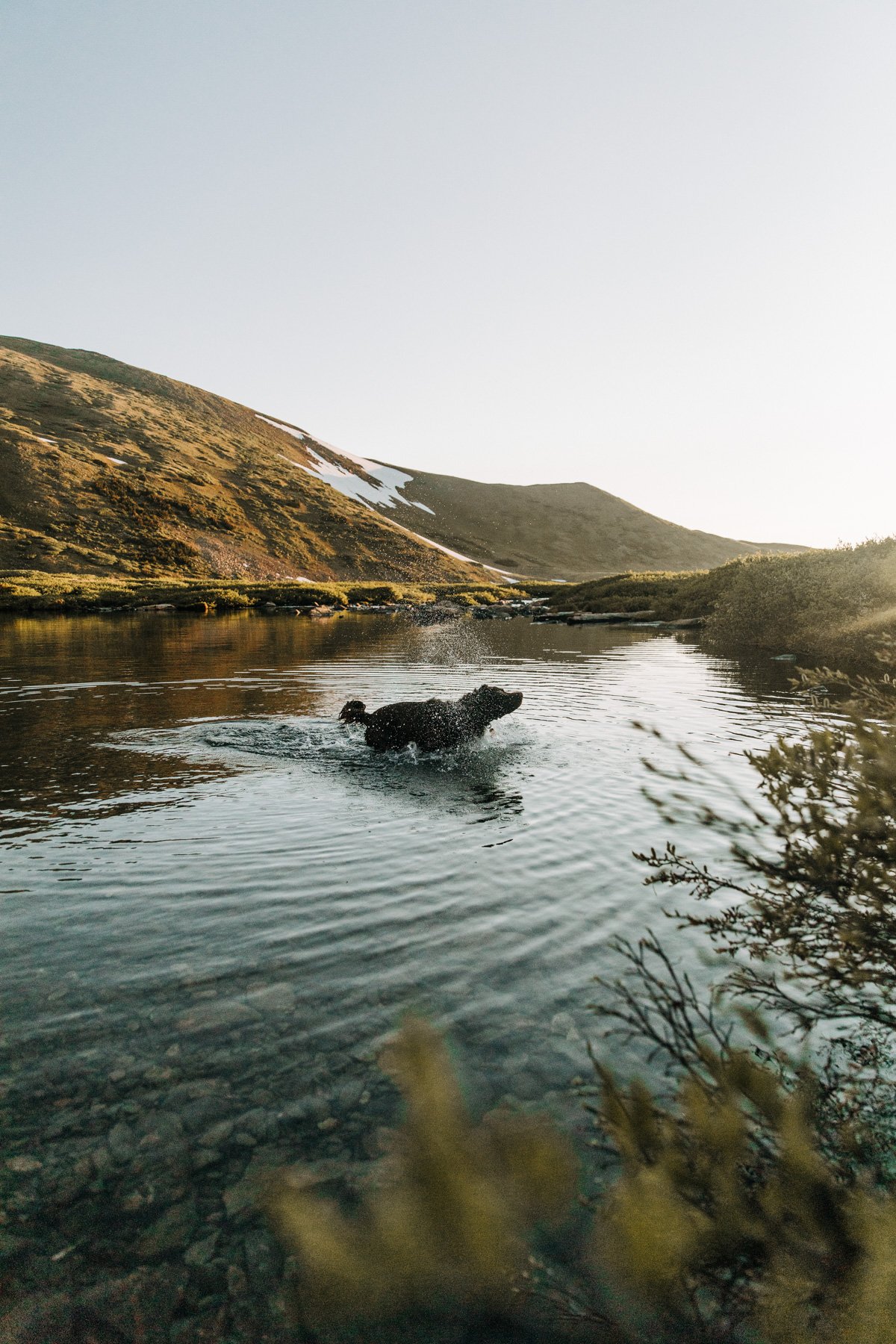
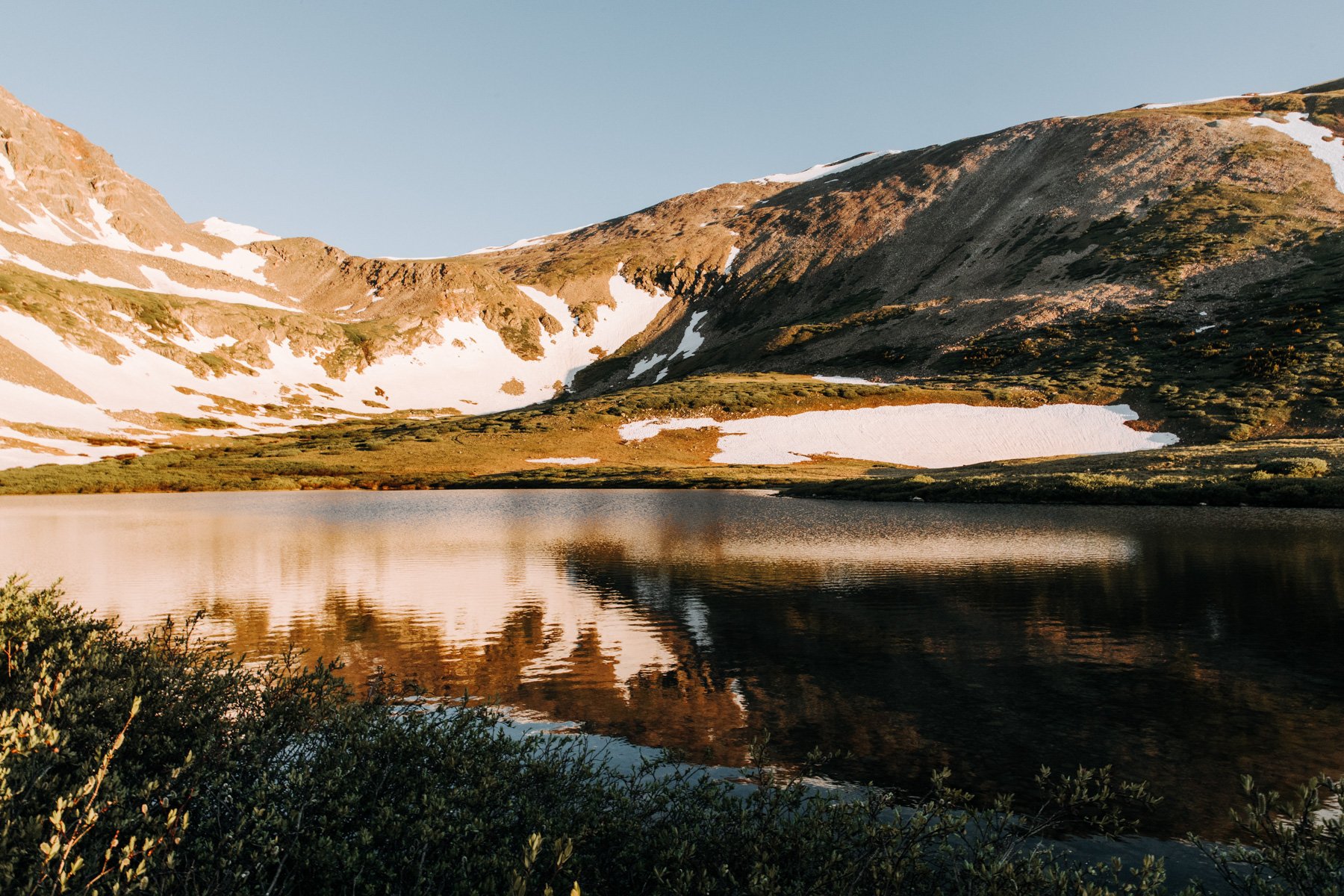
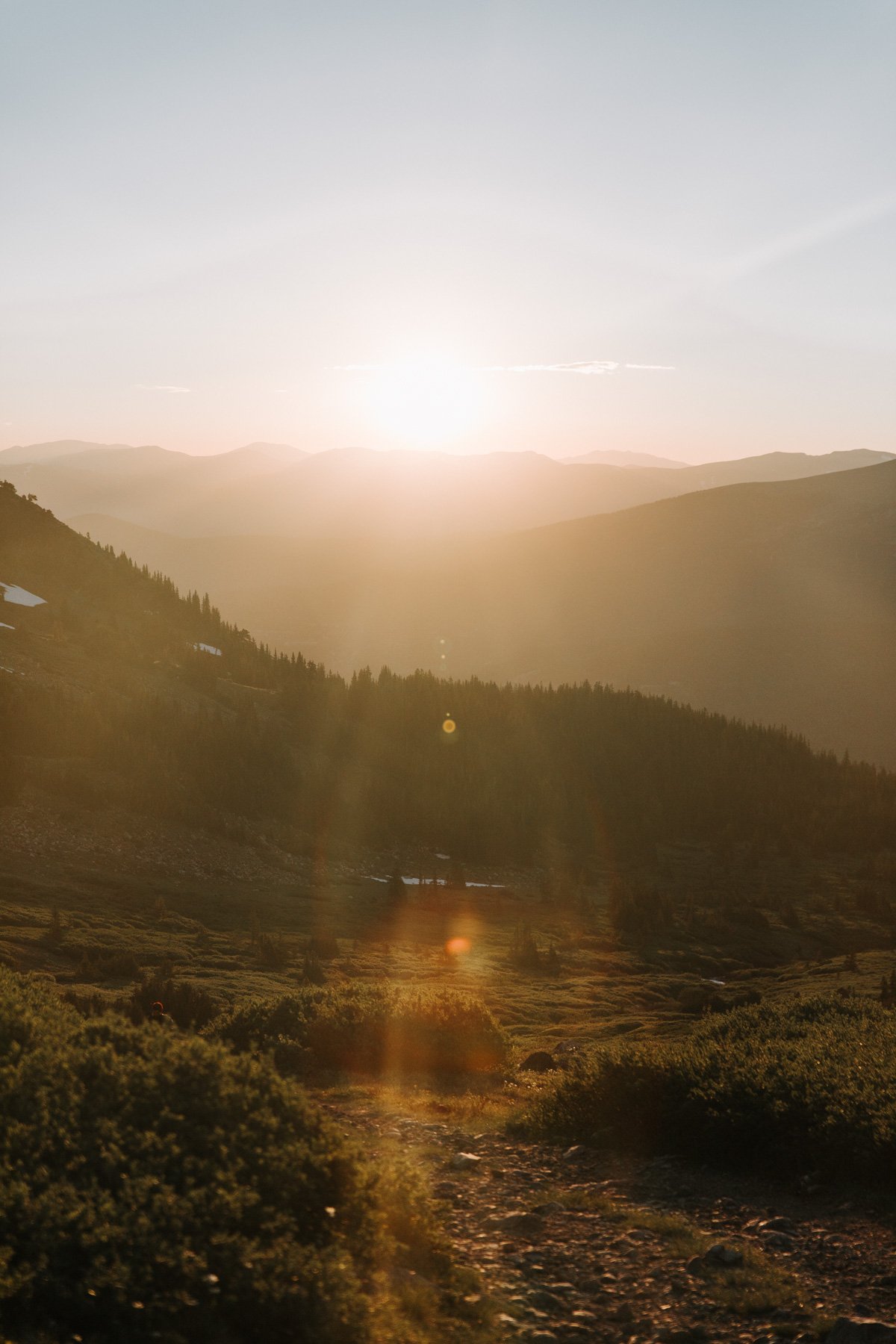
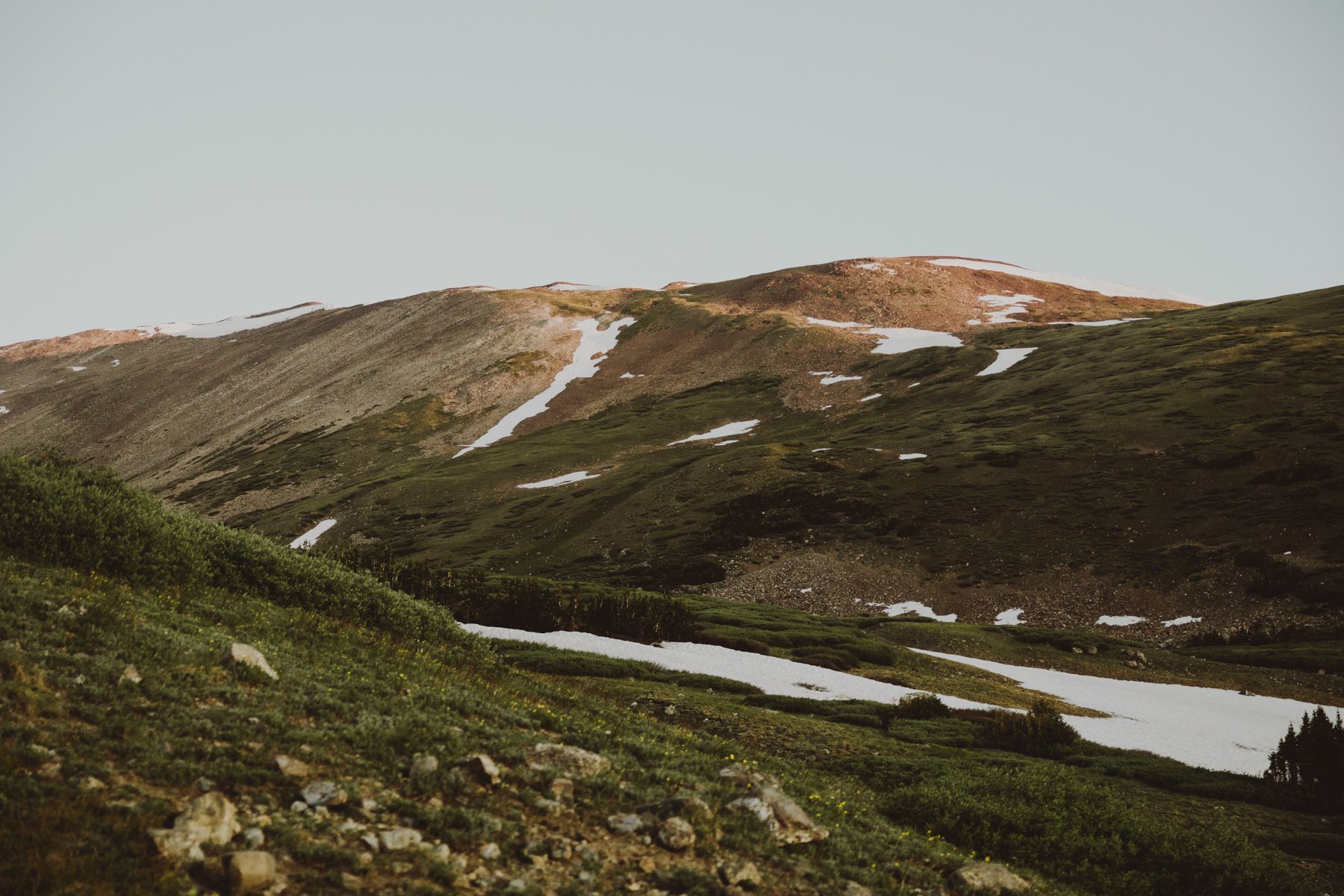
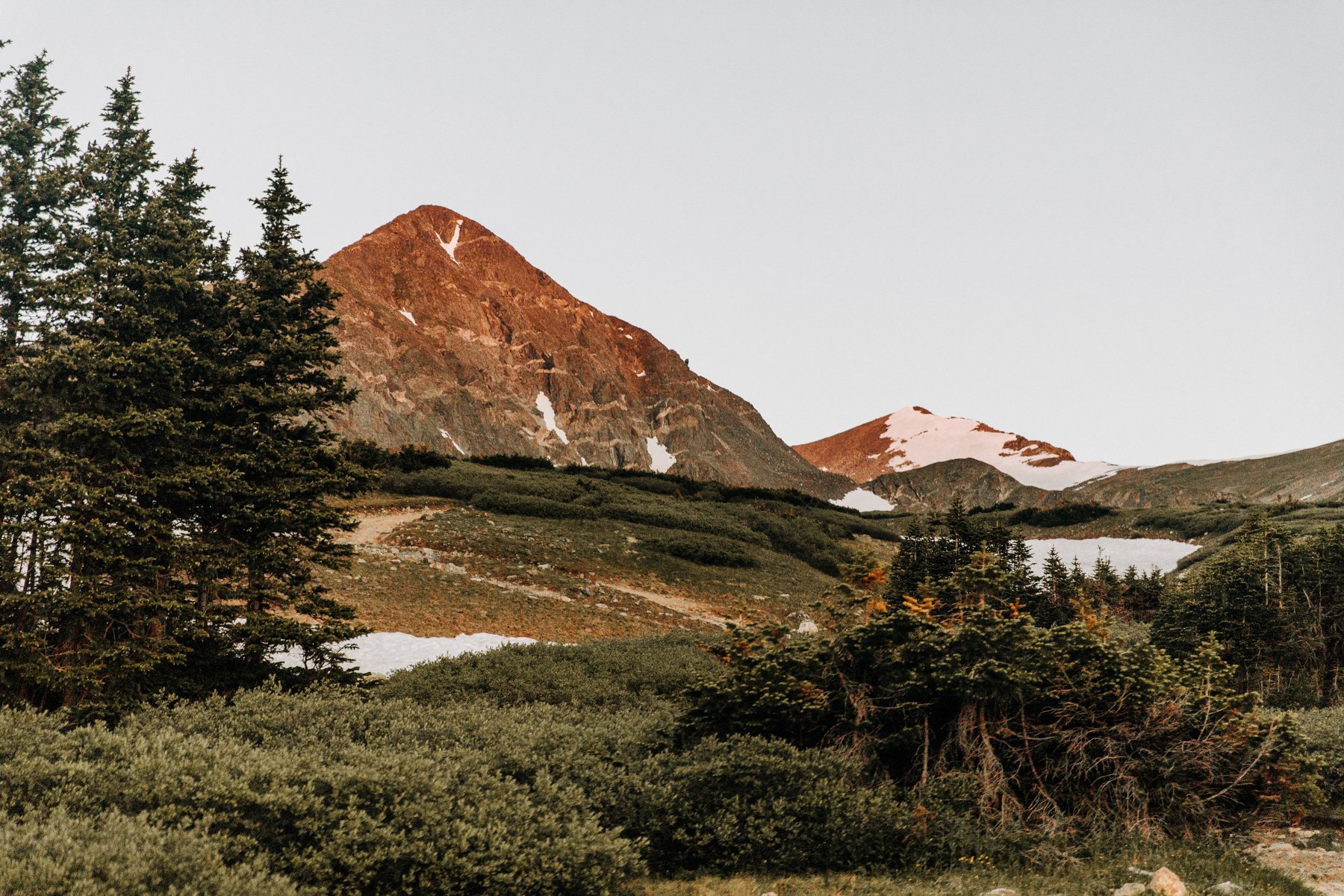
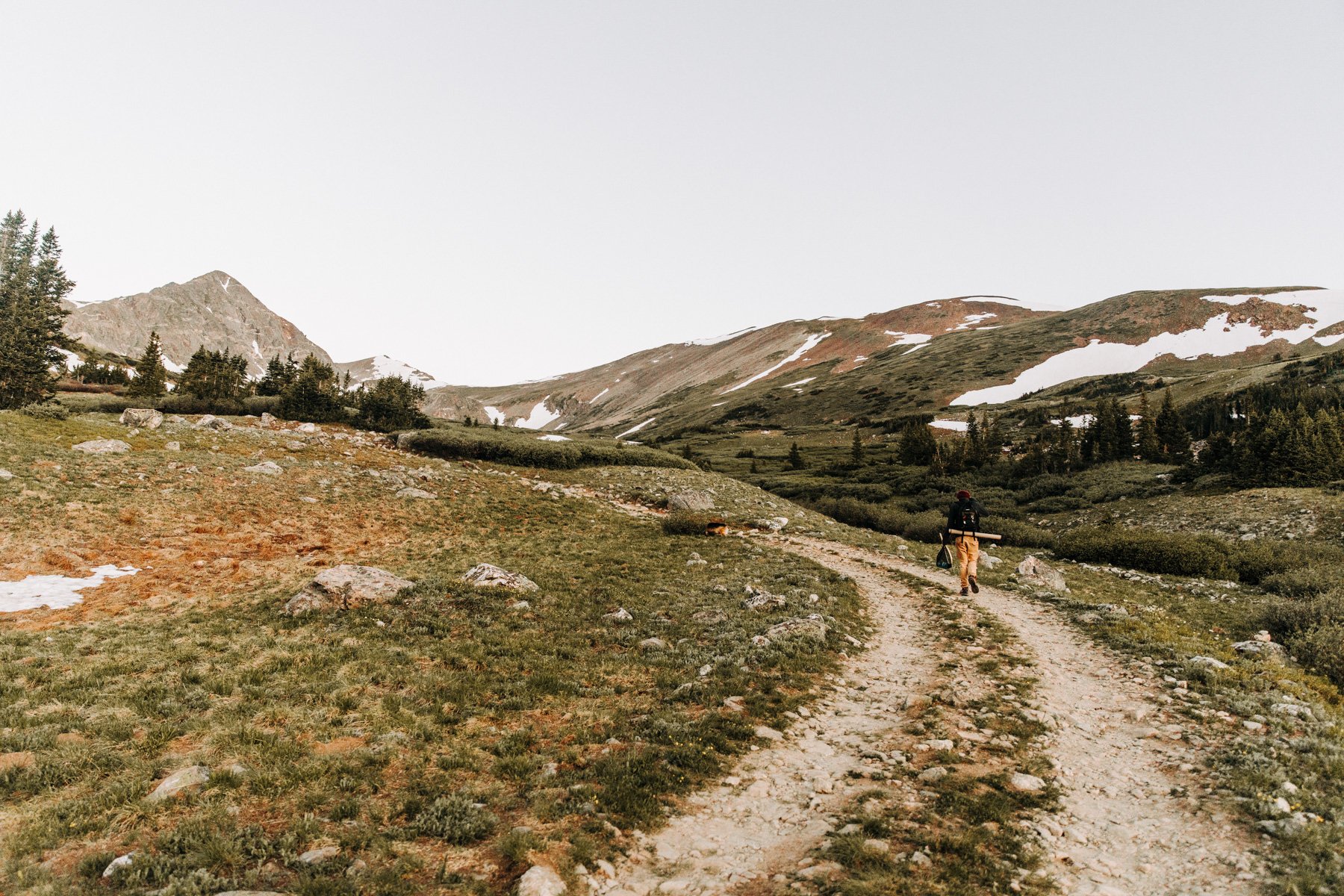
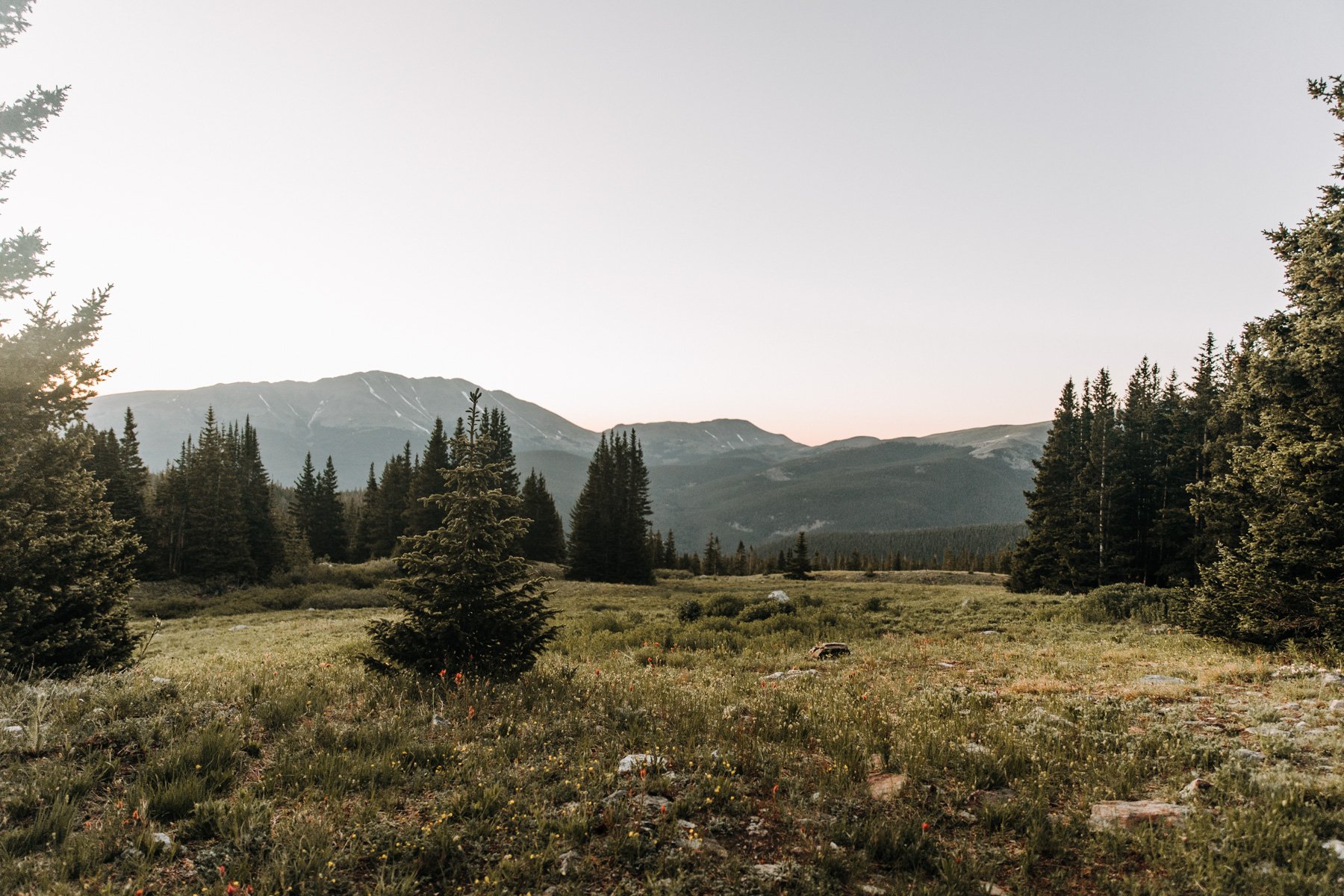
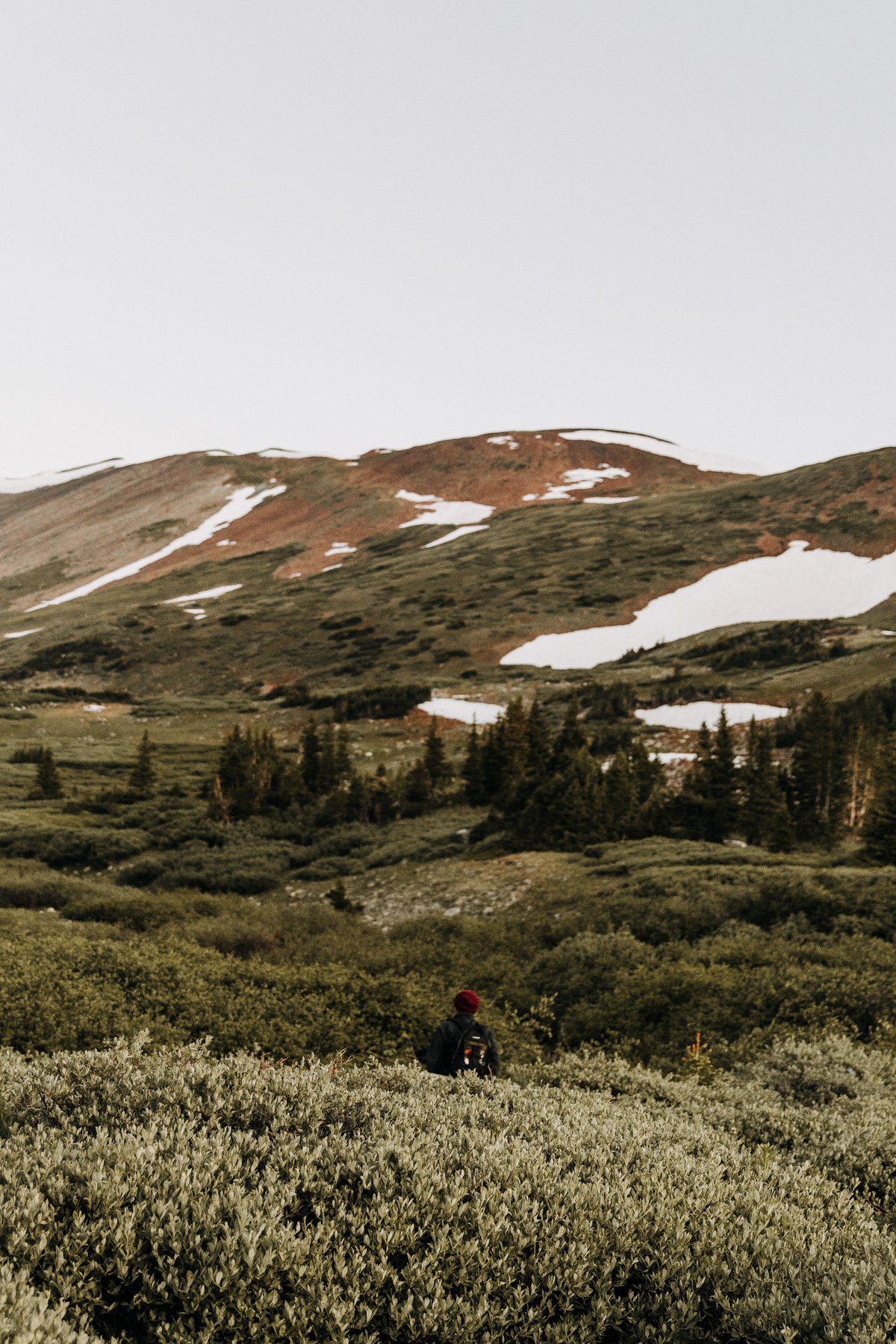
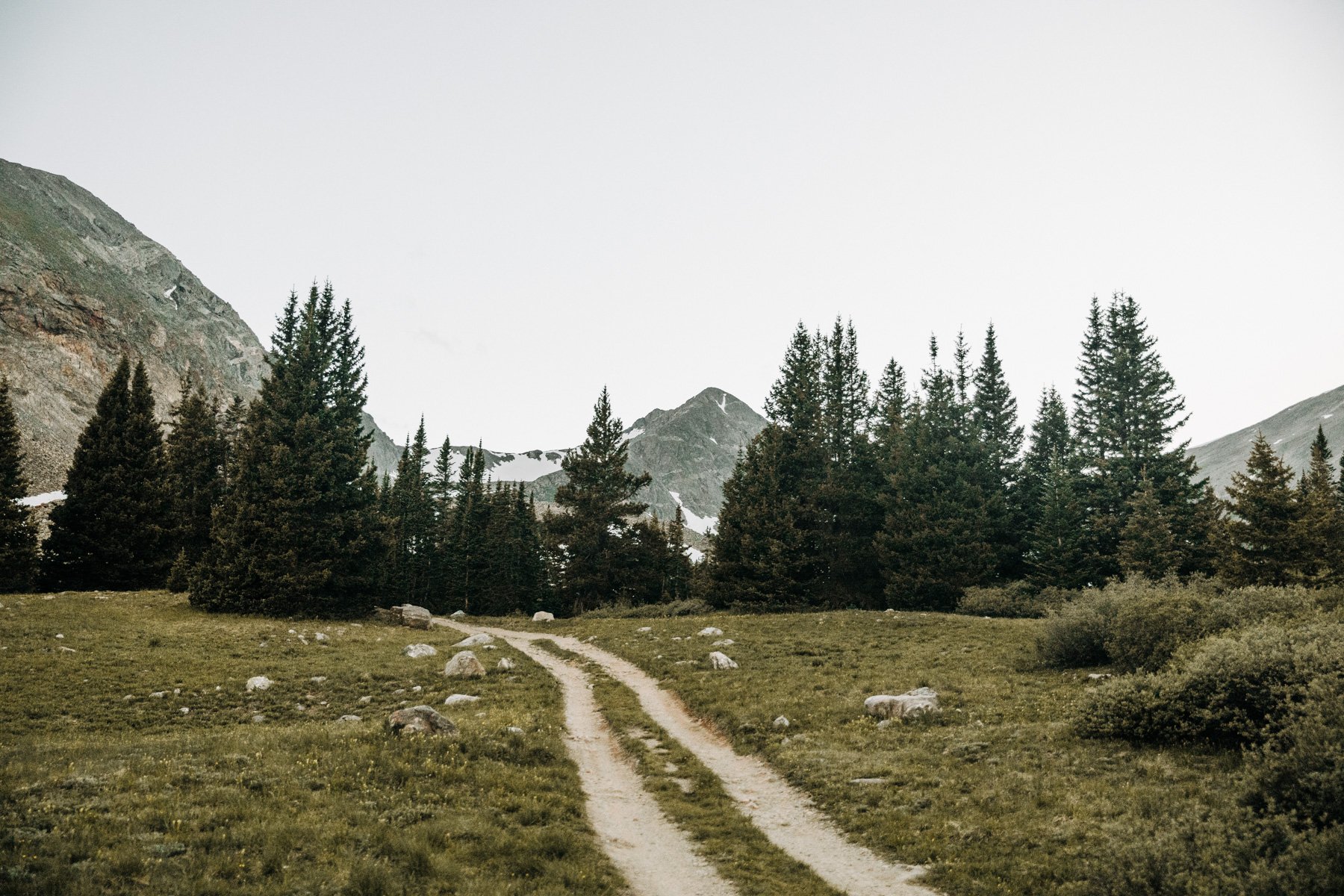
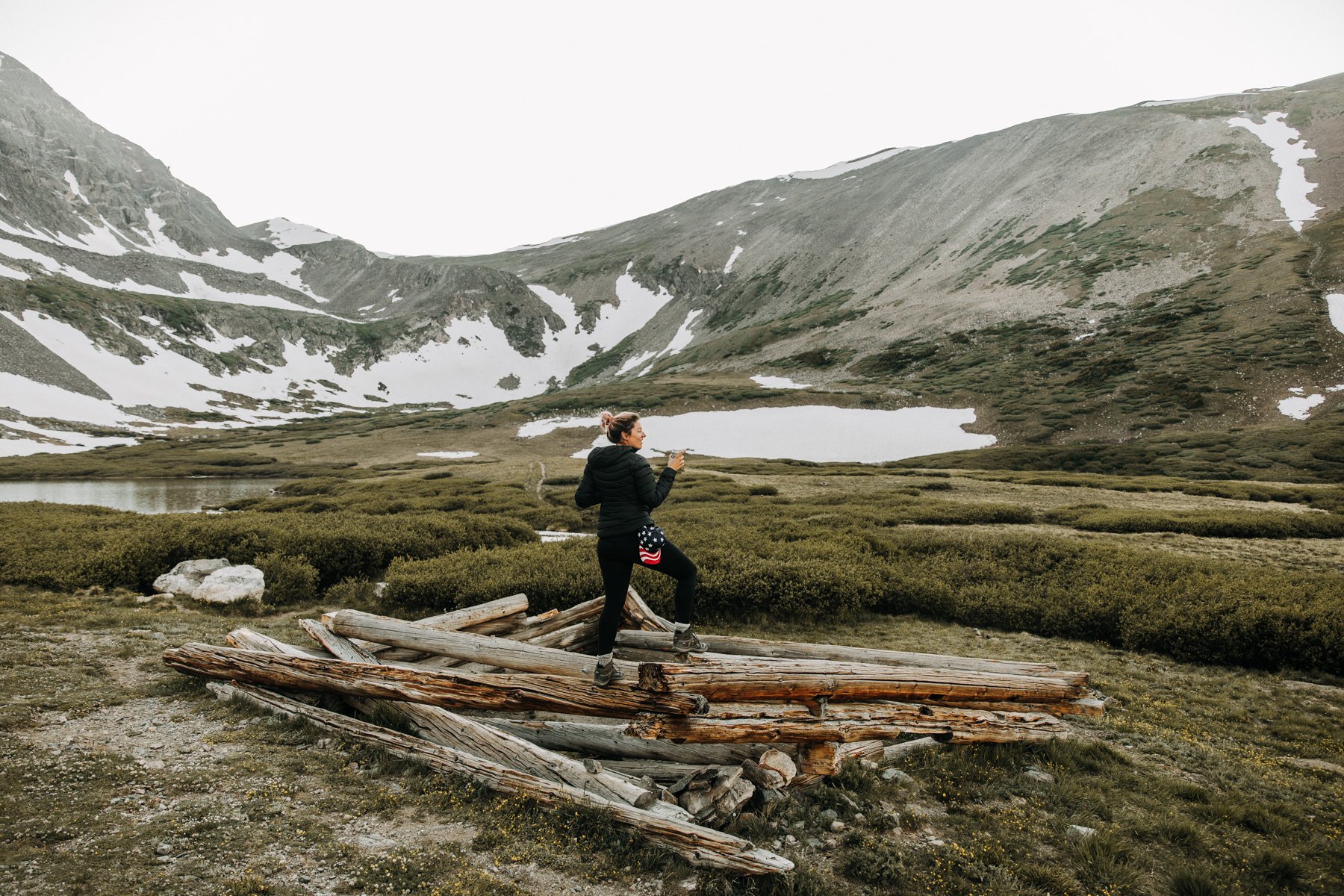
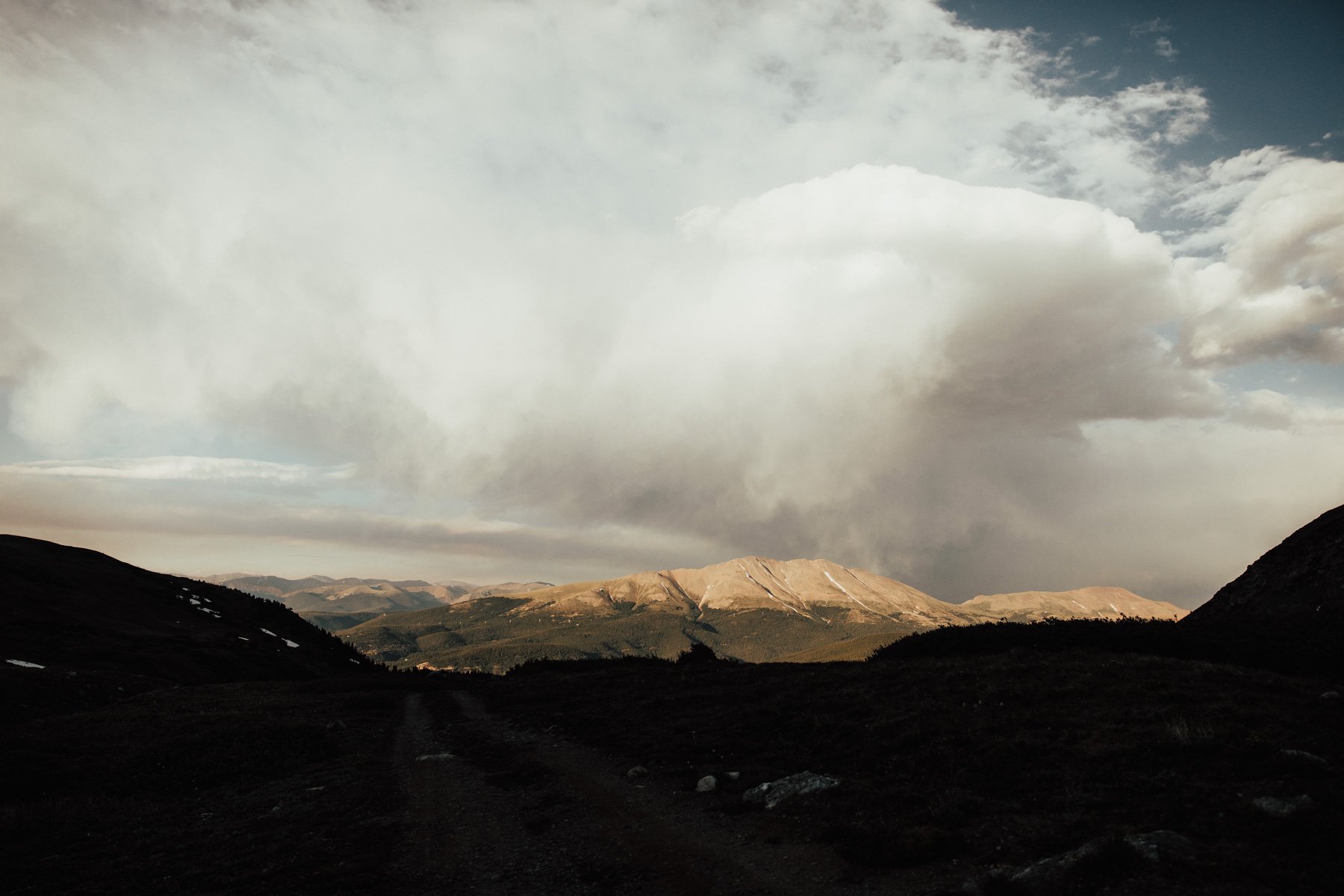
8. Mohawk Lakes, Arapaho NF 5.6 to 8.6 miles RT 1,486 to 2,129 feet elevation gain
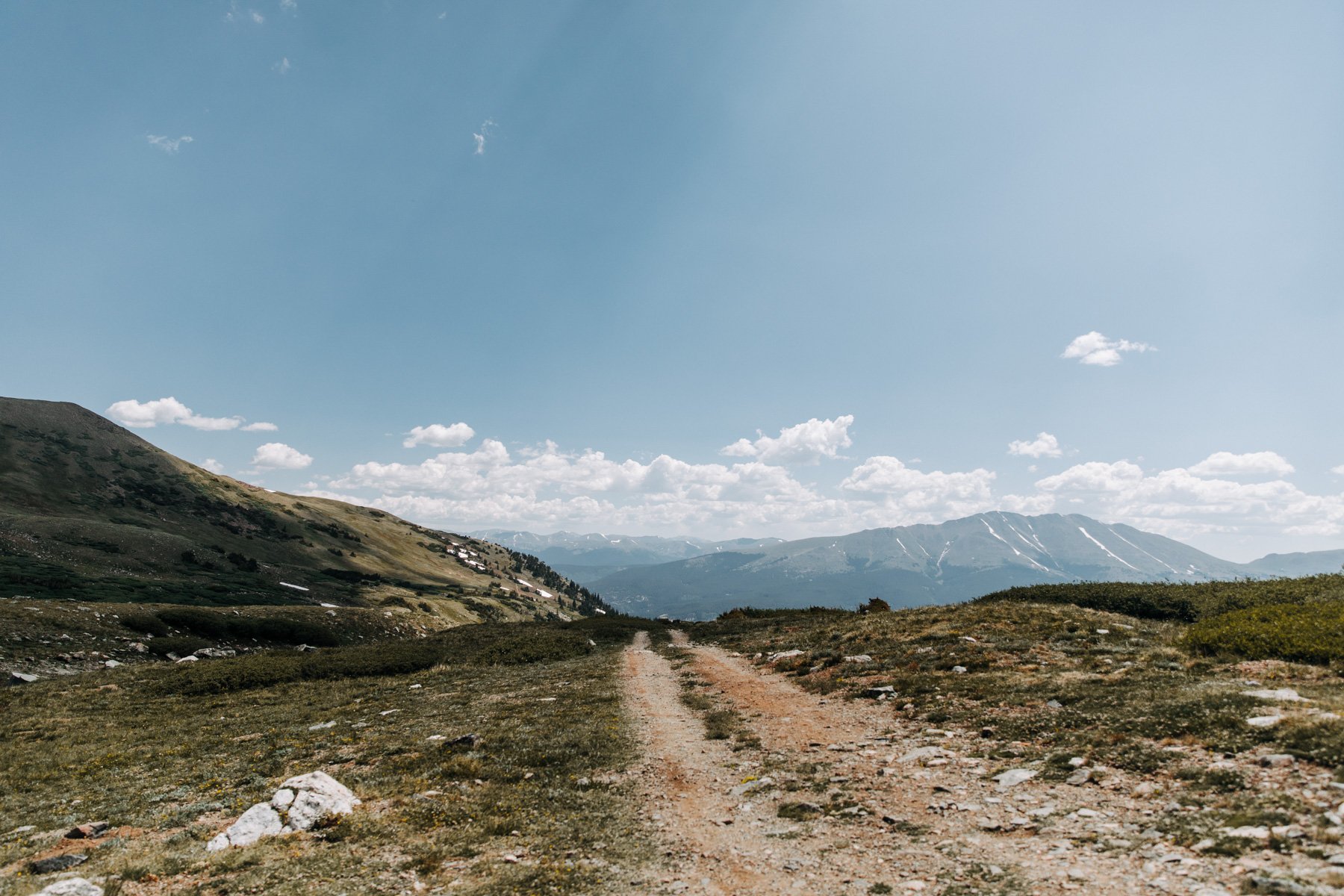
While the trailhead for this place can kind of be “what the f” because it is pretty busy, there are no less than 5 trails that start from here (including the above mentioned Crystal Lake). Mohawk Lakes is a great moderate trail that has a steady gain of elevation. The first half of it takes you through alpine forest before you start seeing the elevation start to change. BUT if you have 4×4 and you go on an off season weekday, you can drive a good ways up the trail.
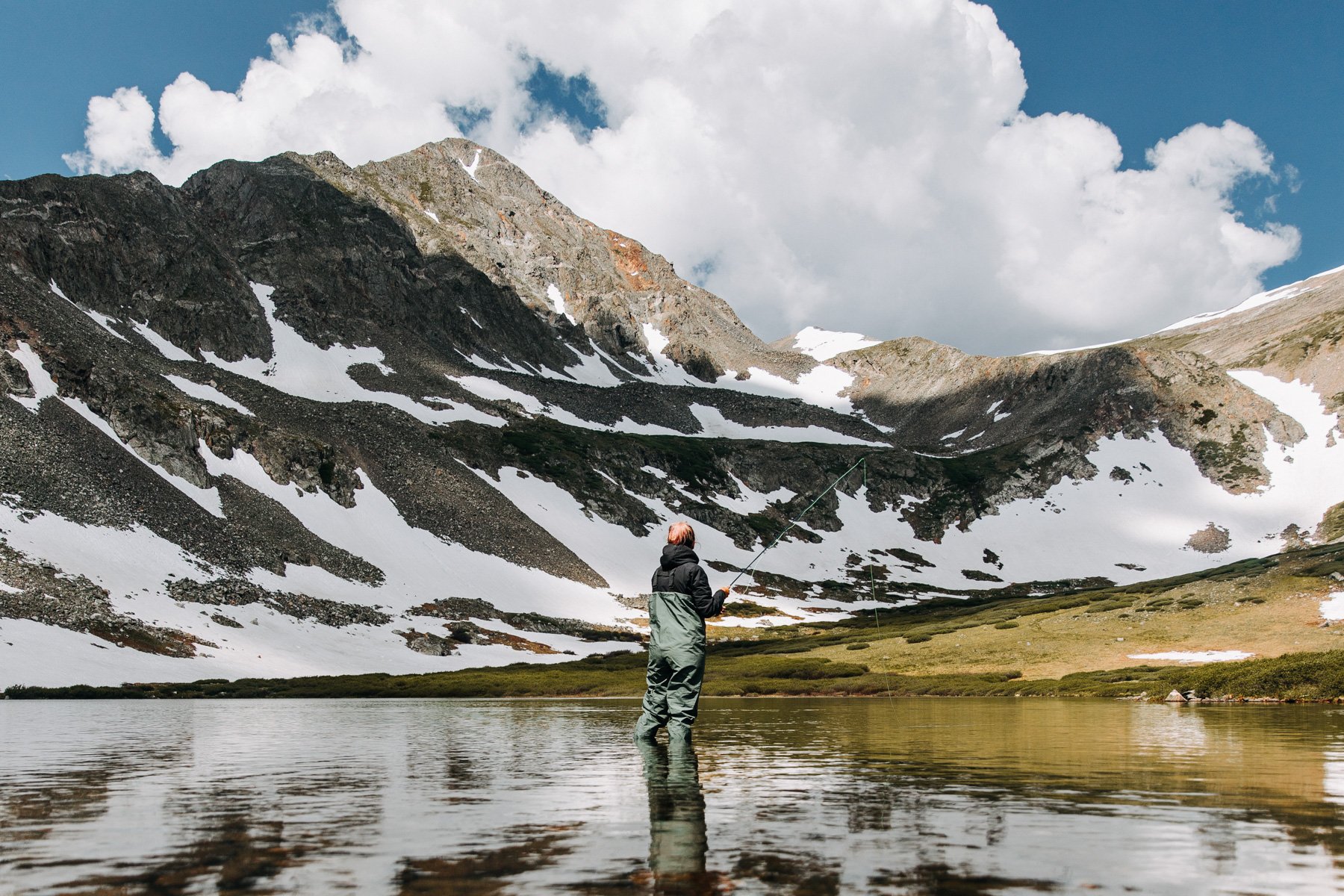
What follows is my favorite and least favorite set of switch backs that steadily climbs up the side of the gulch. Its not a bad place to stop and catch your breath every 5 minutes because you get a sweeping view of the valley below you. There are 5 lakes total, the 4.6 mile trip being the one to the first lower Mohawk lake from the lower lot, and the 8.6 being to the upper lake!
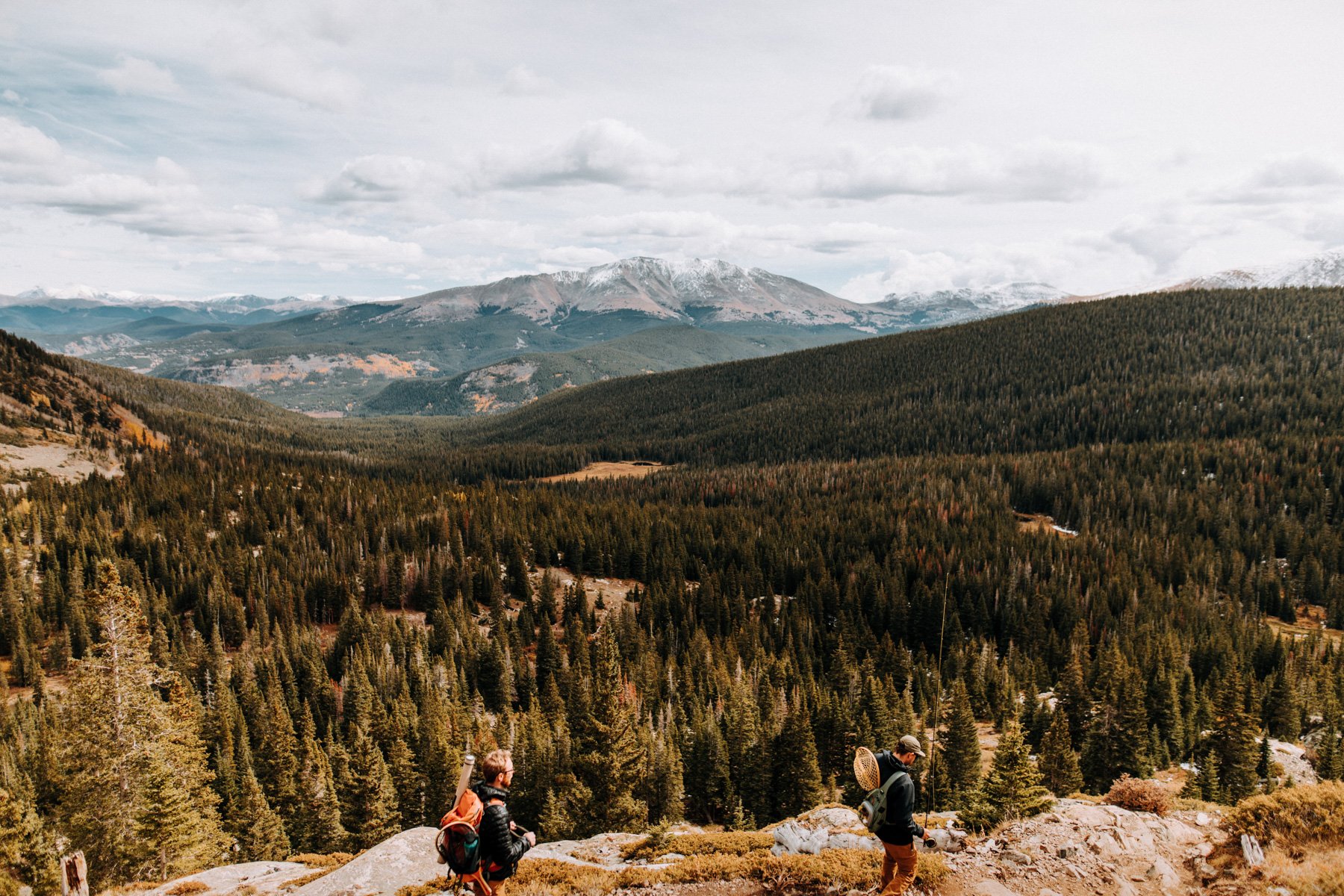
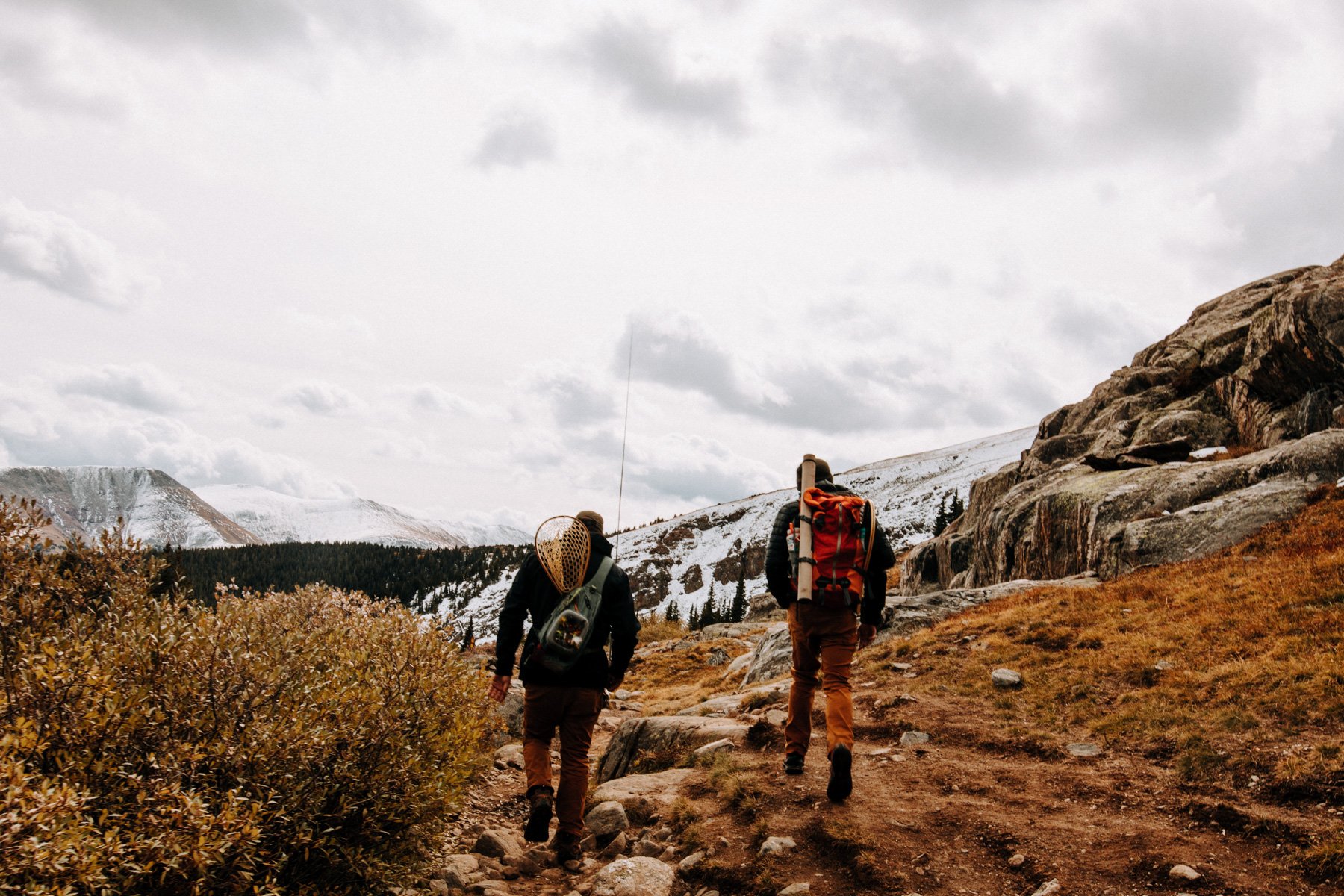
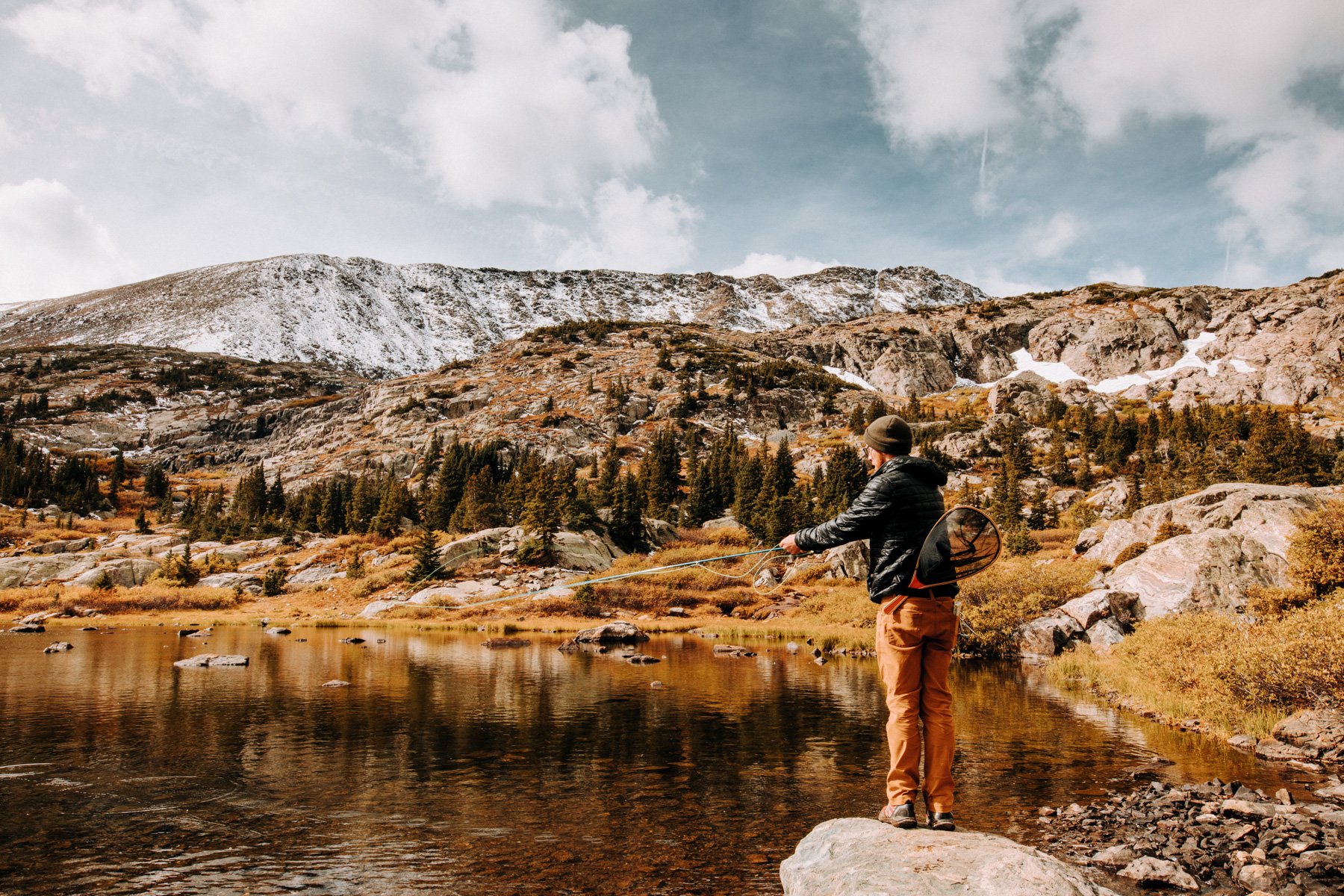
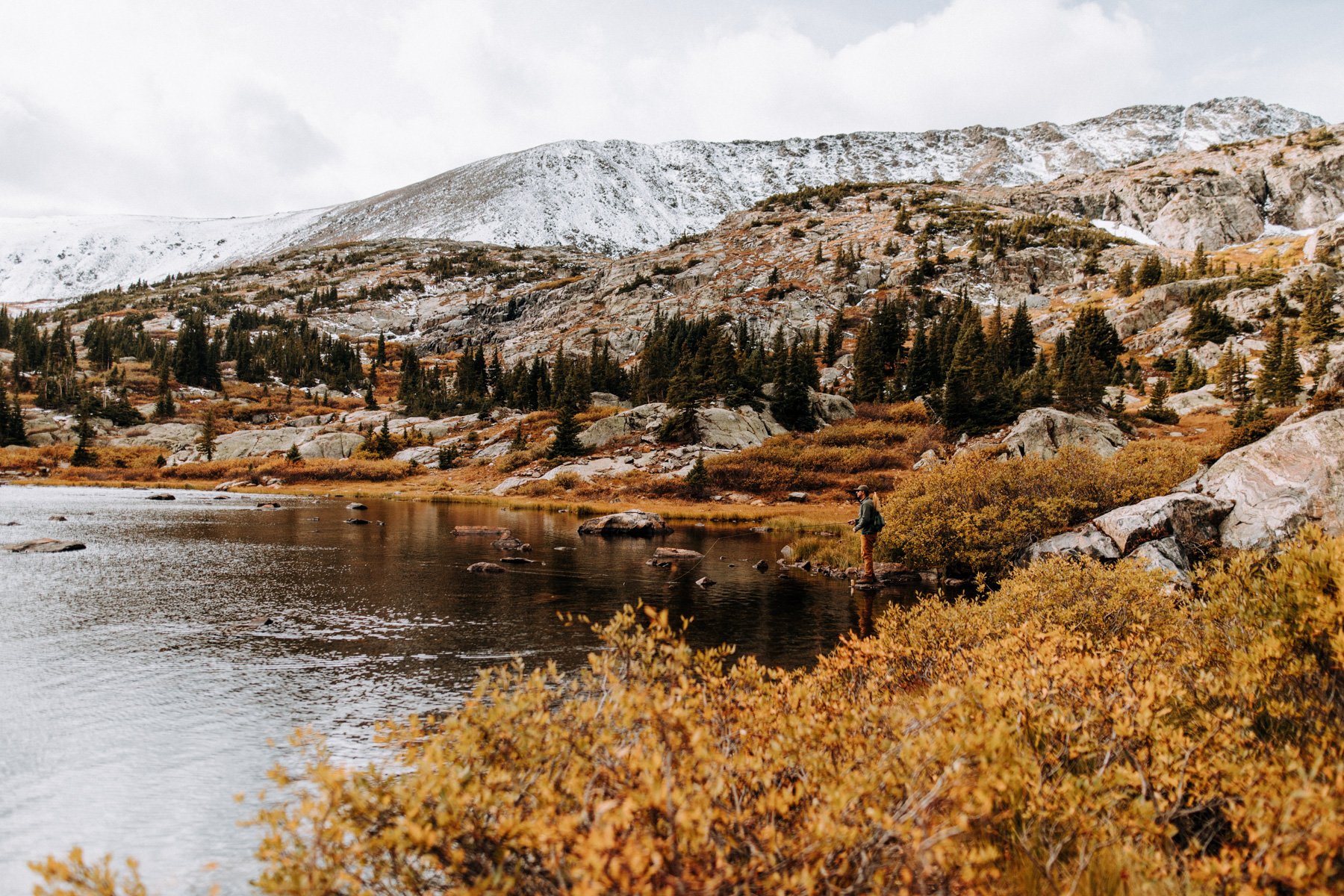
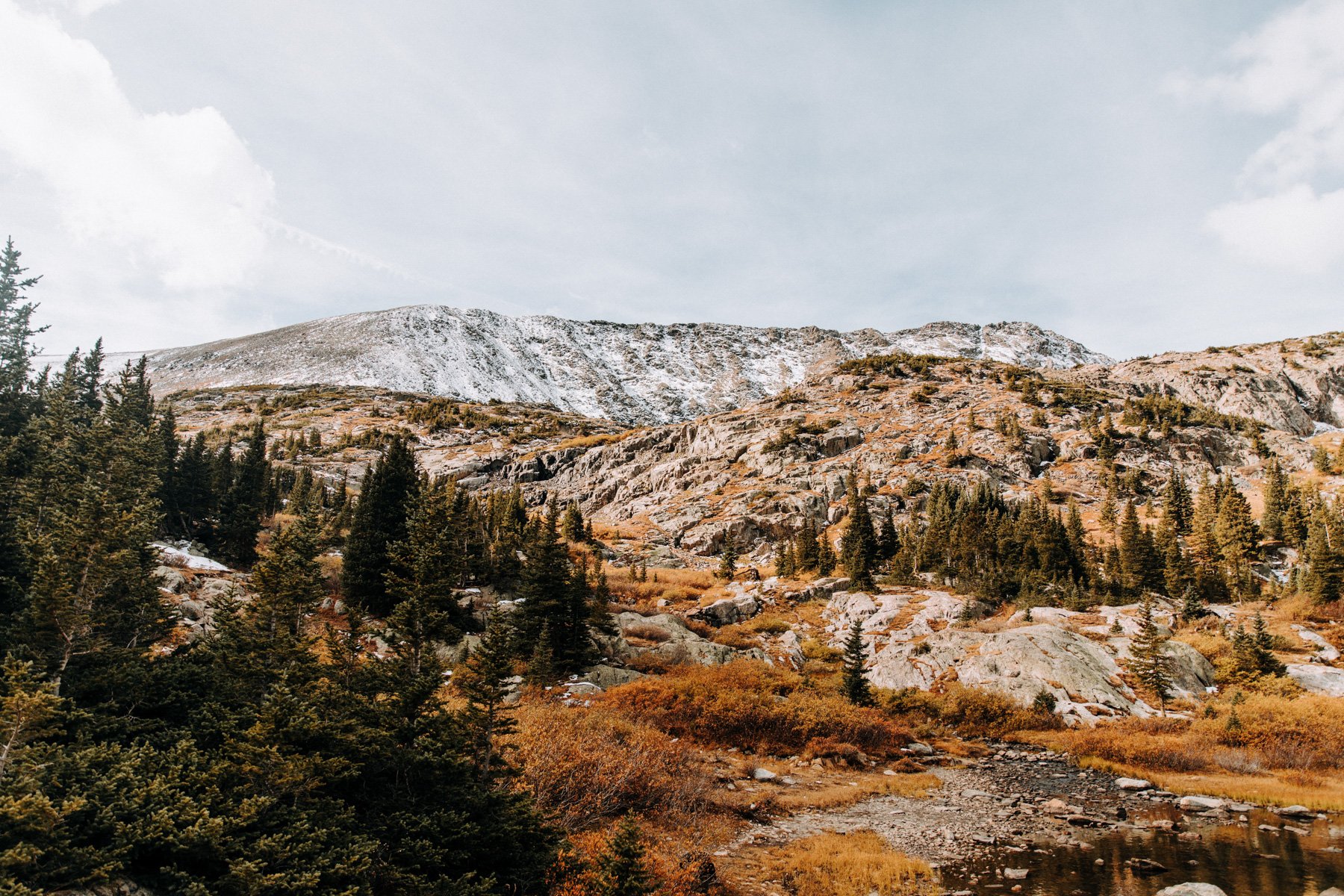
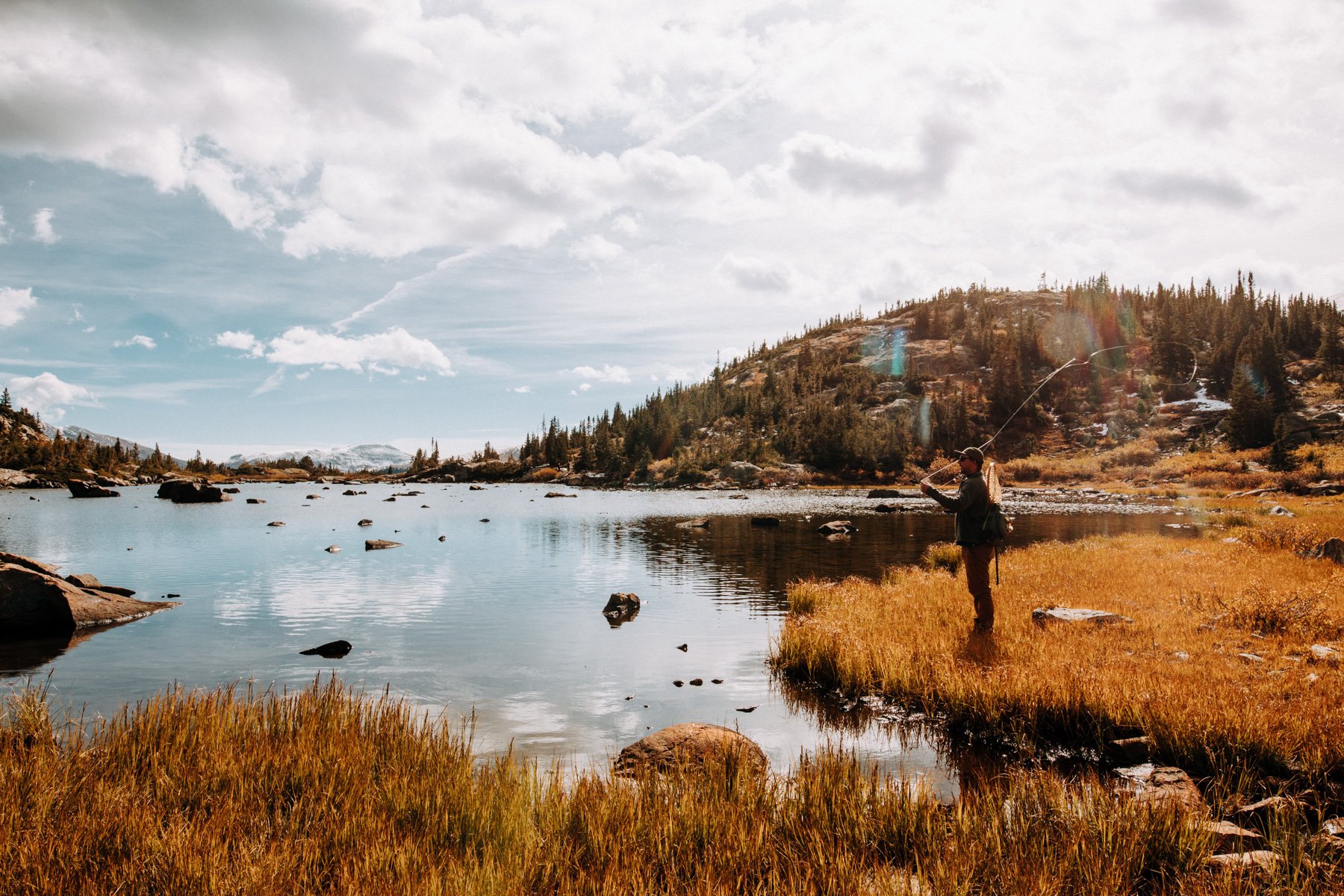
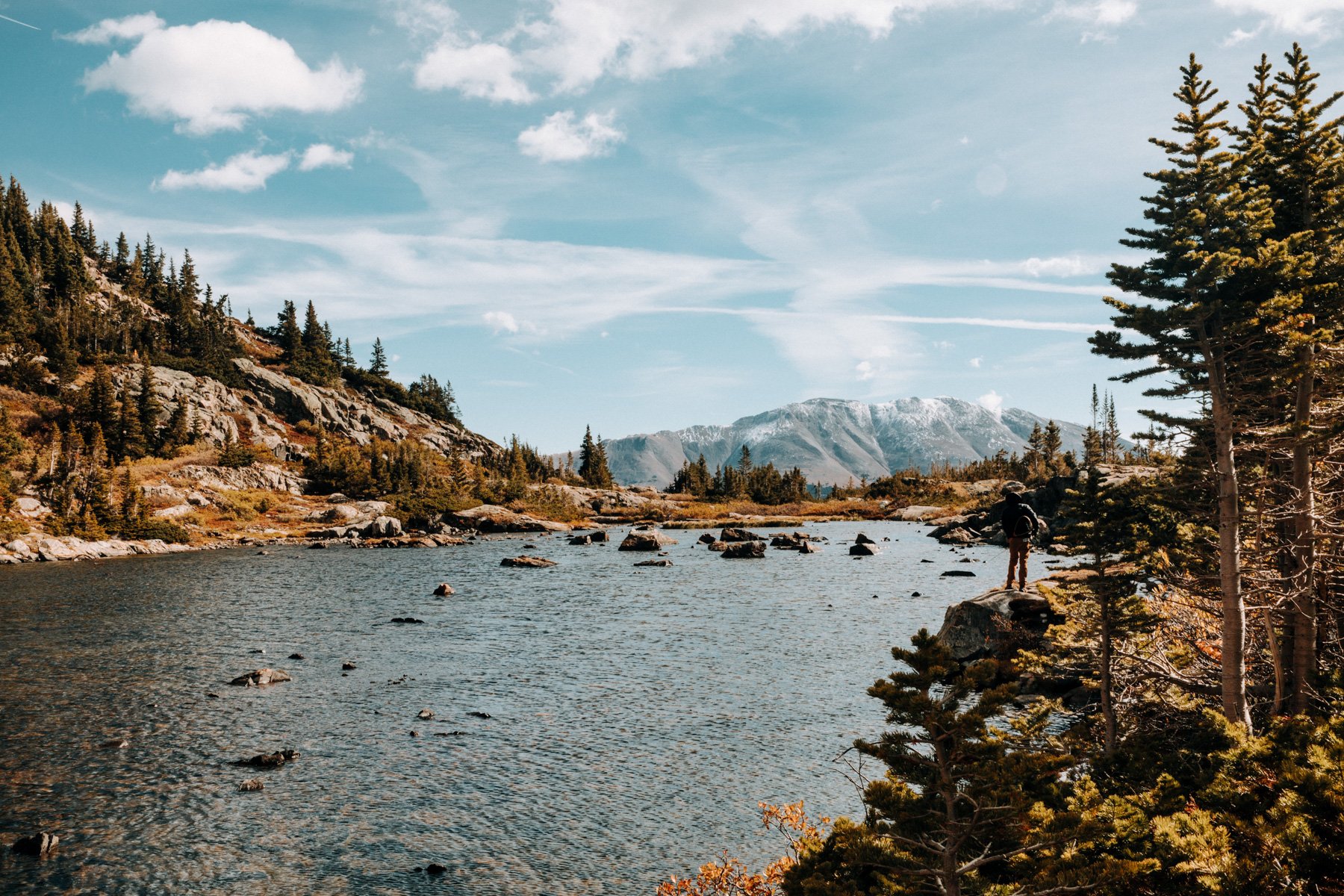
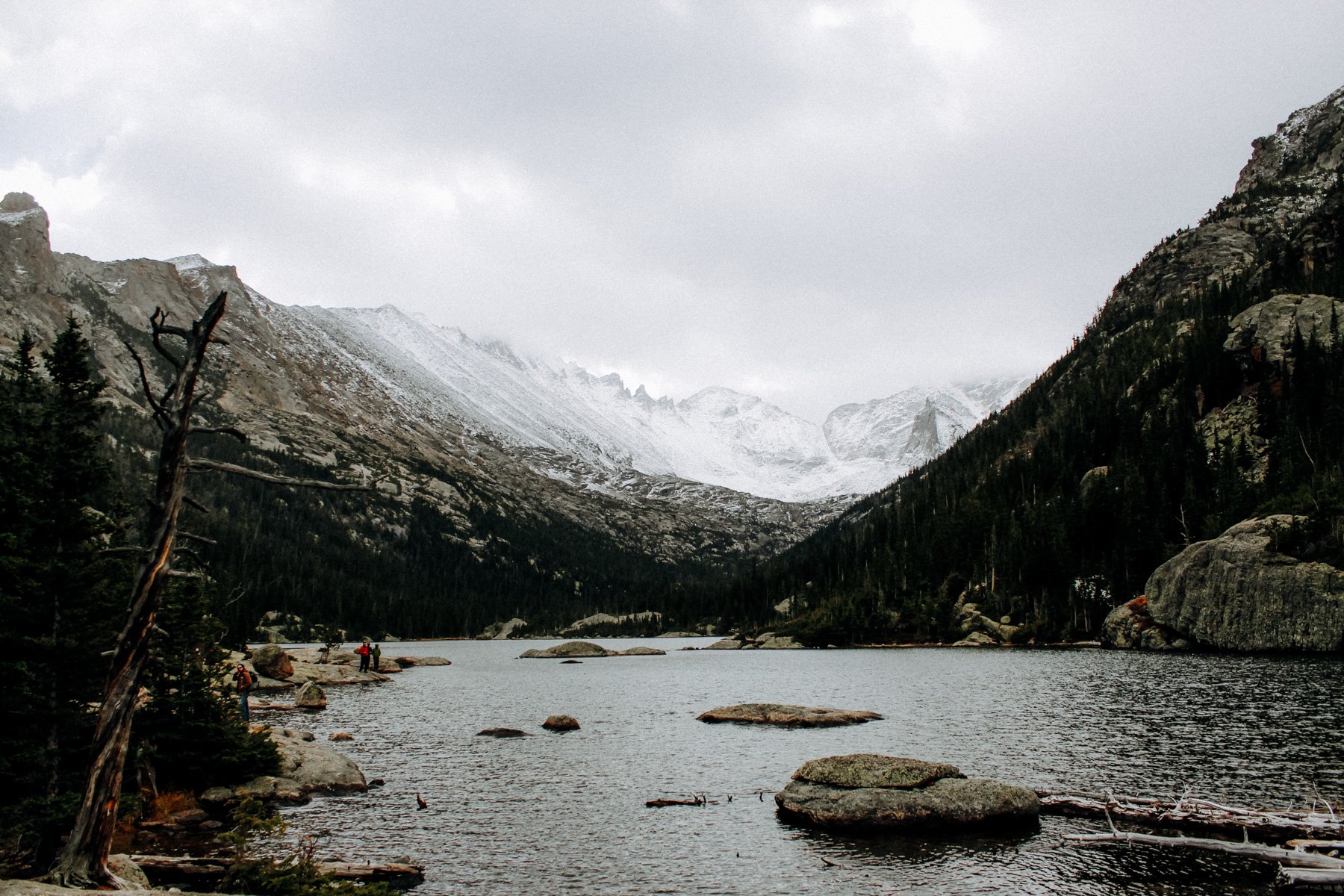
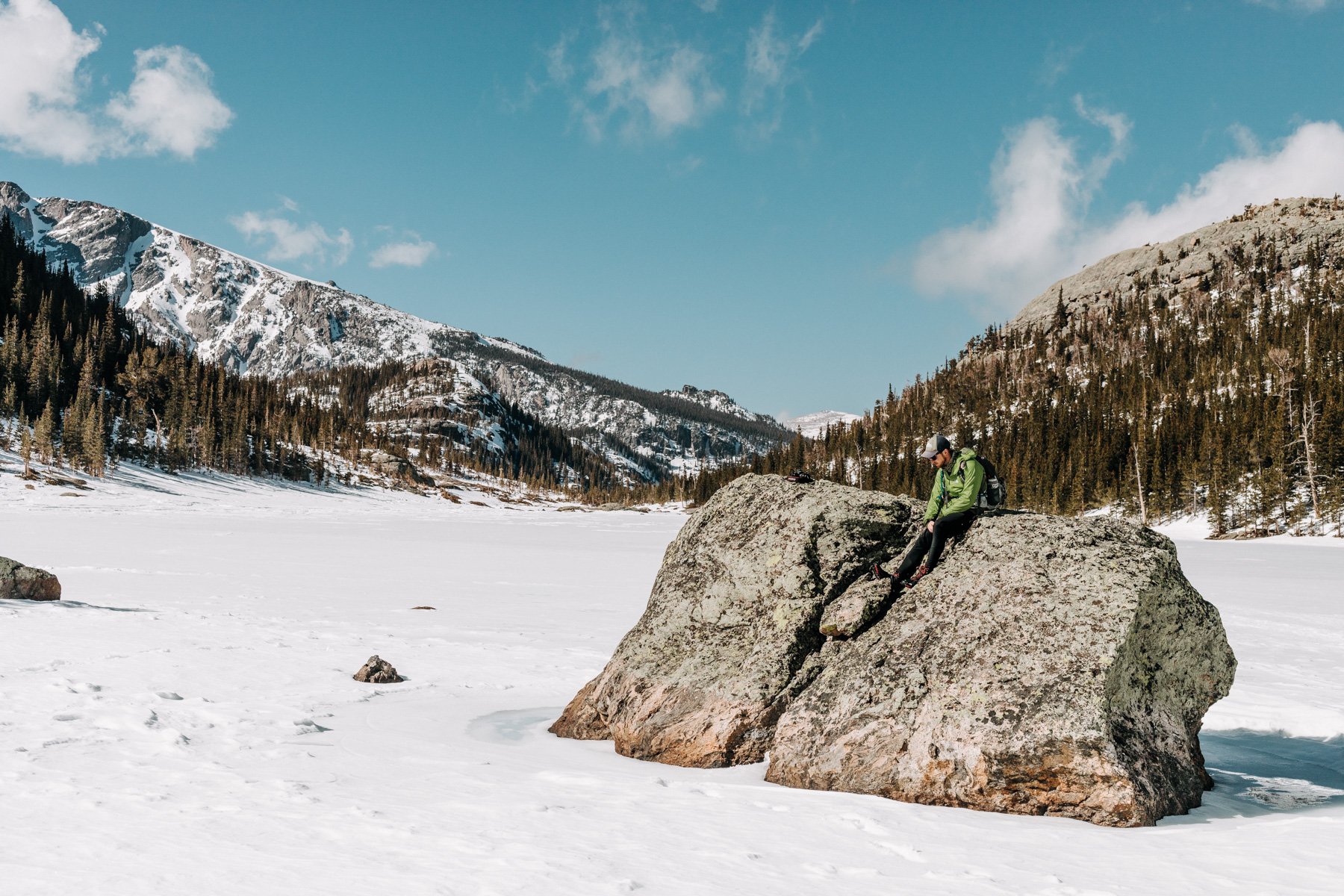
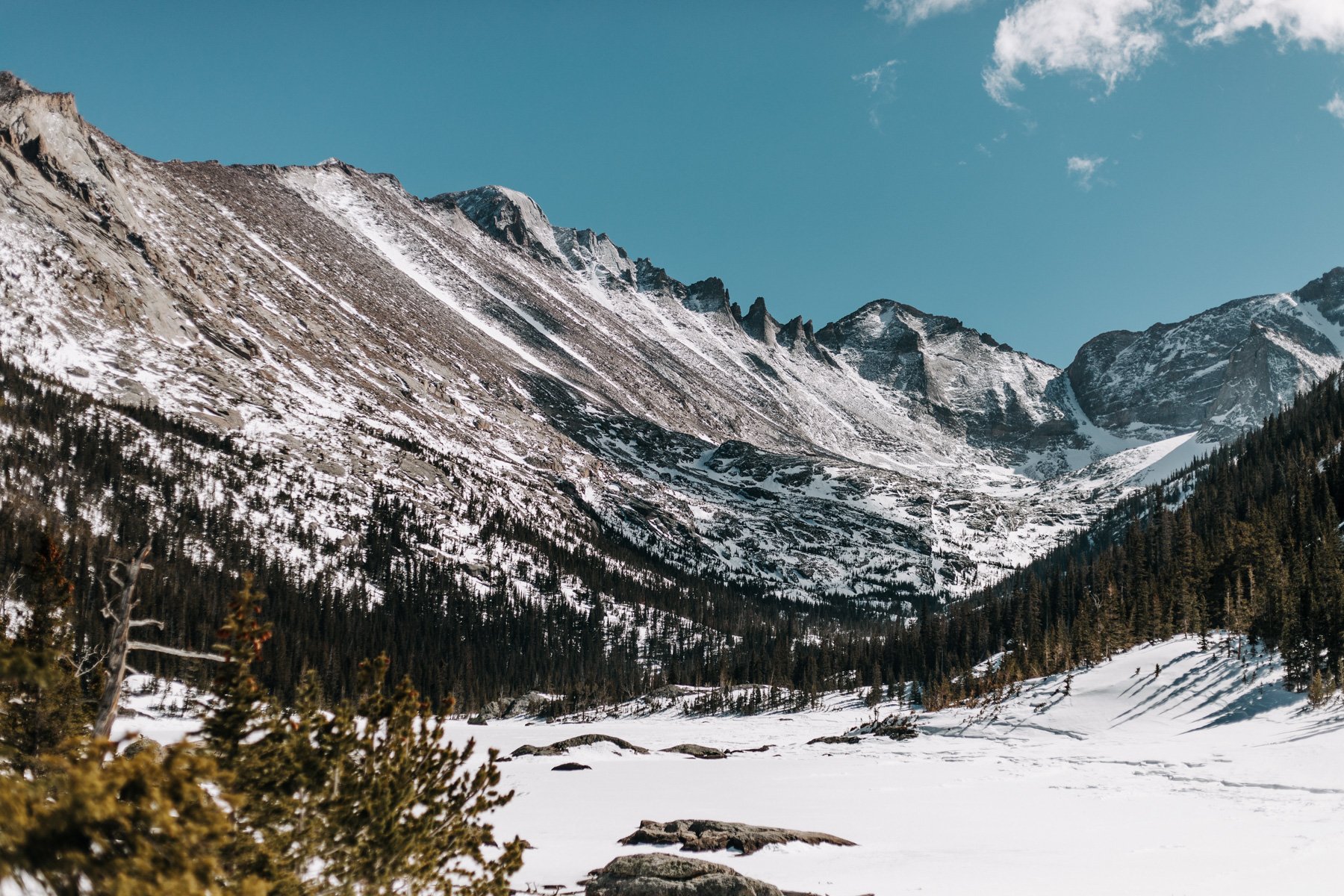
7. Mills Lake, Rocky Mountain National Park 4.9 miles RT 836 feet elevation gain
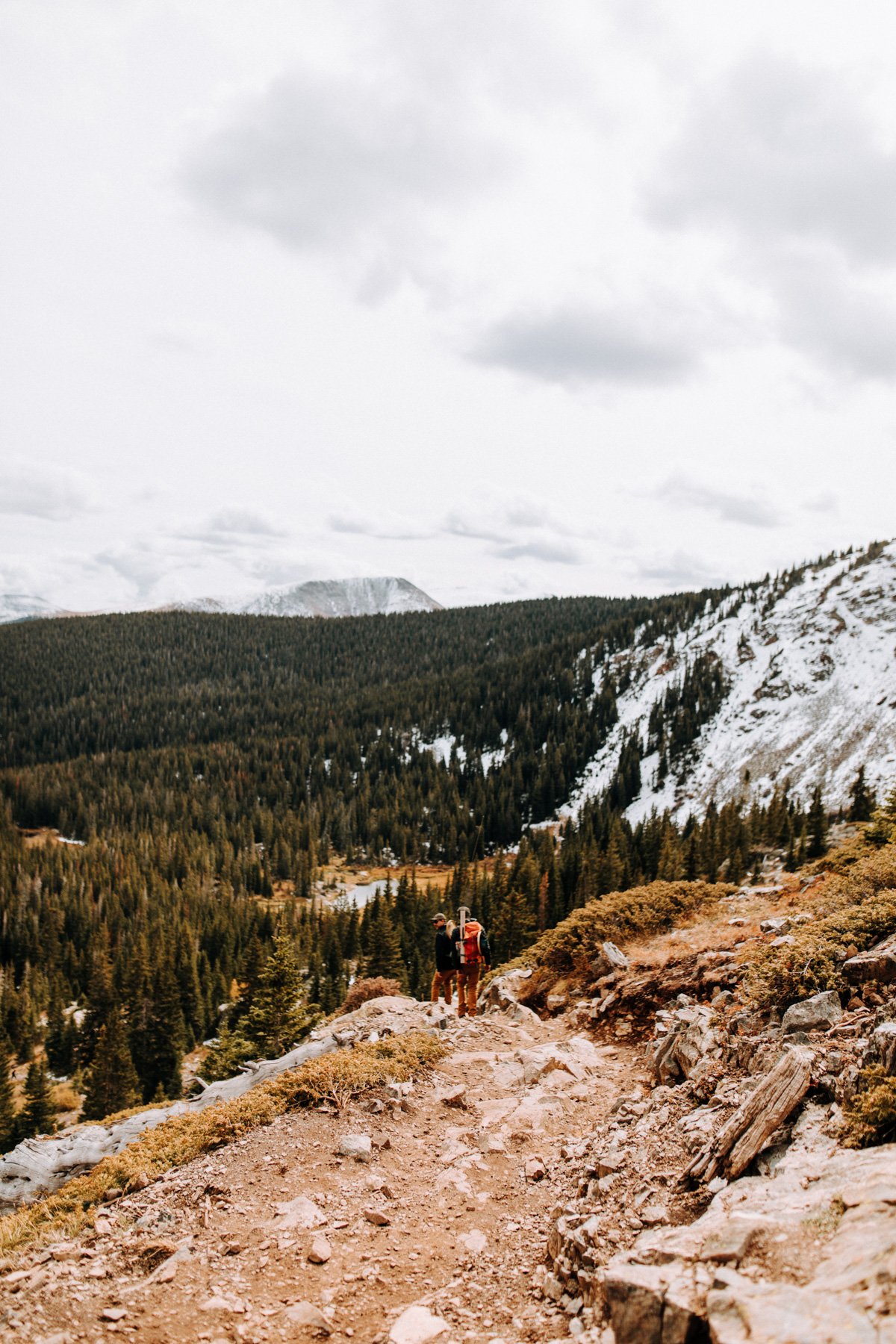
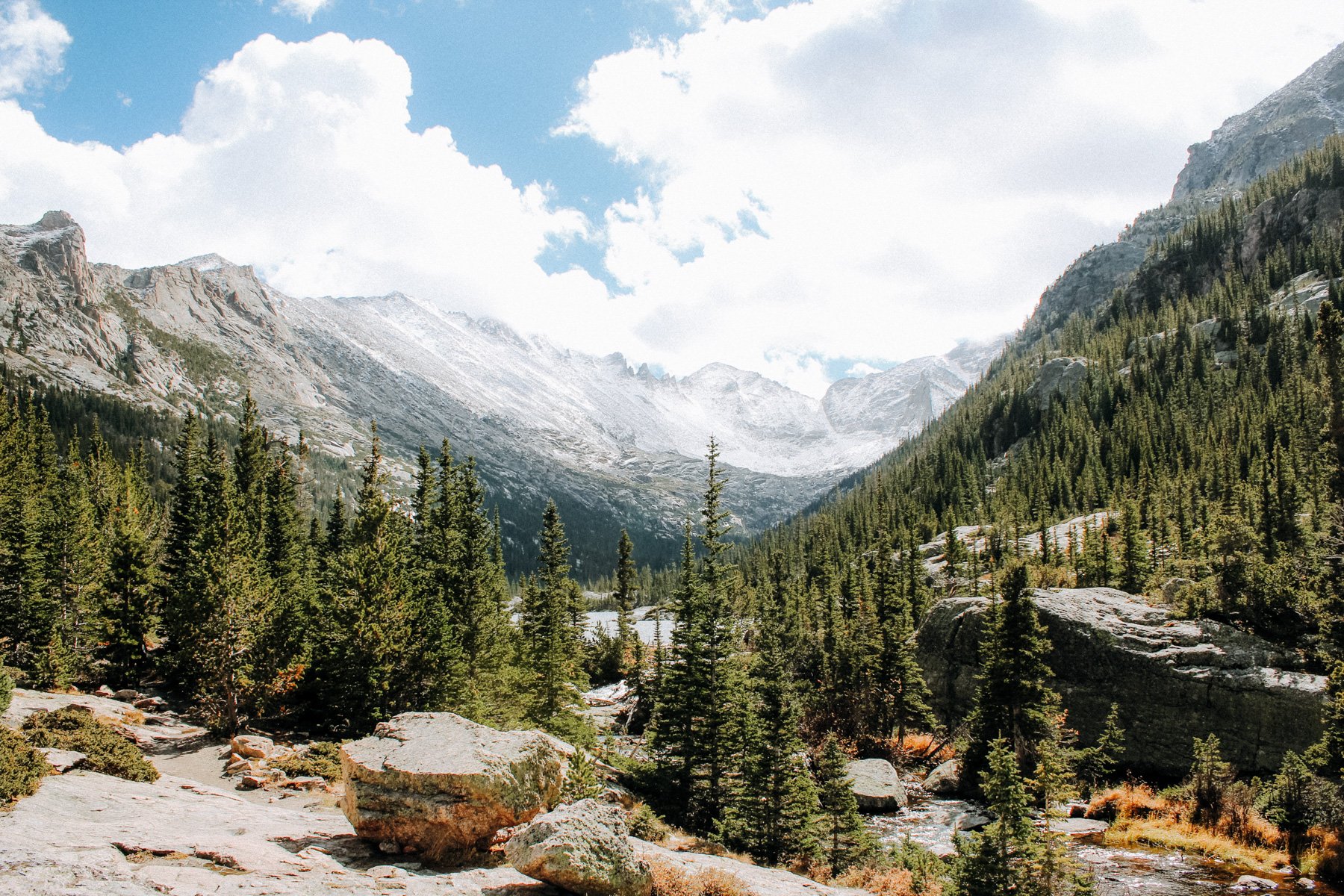
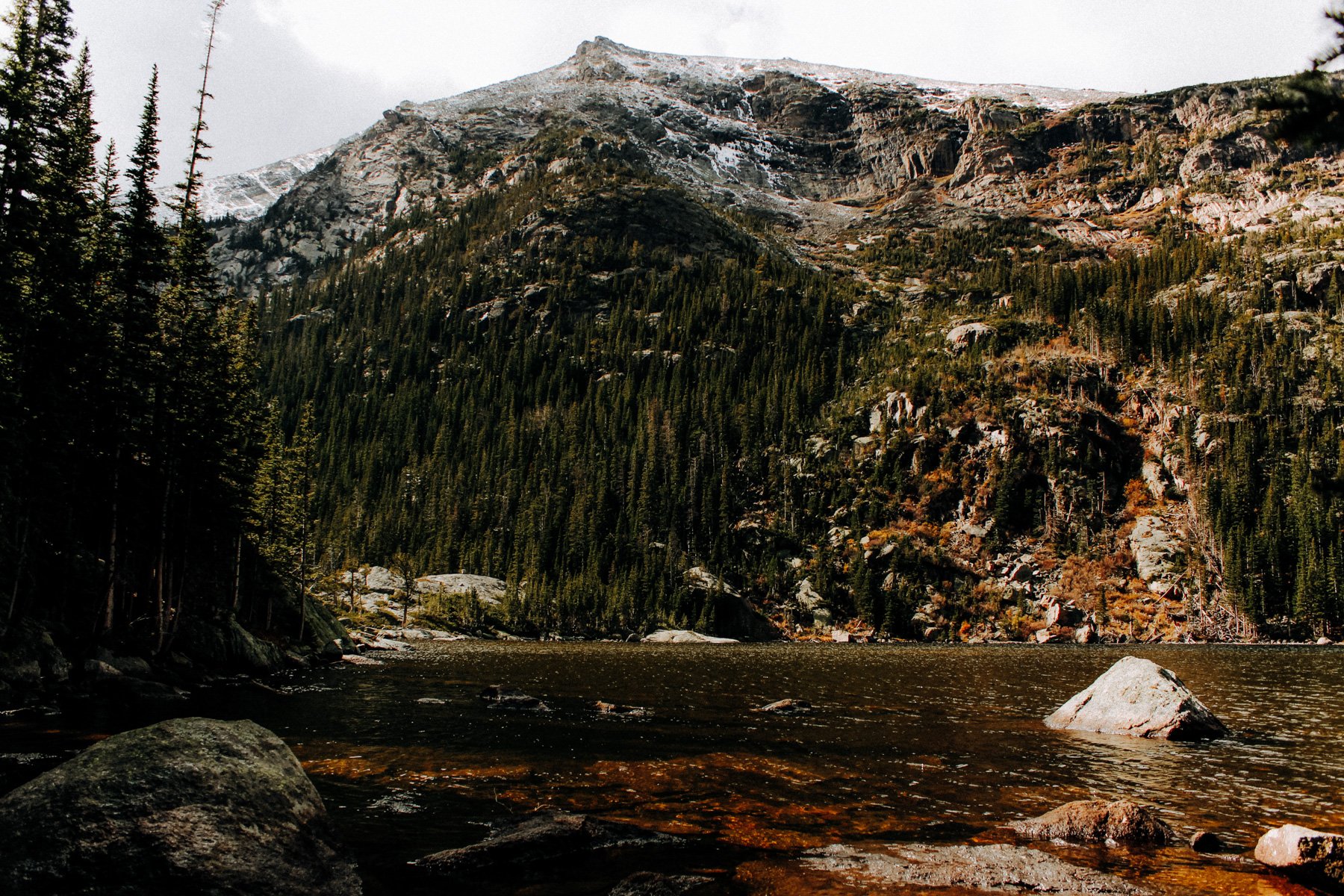
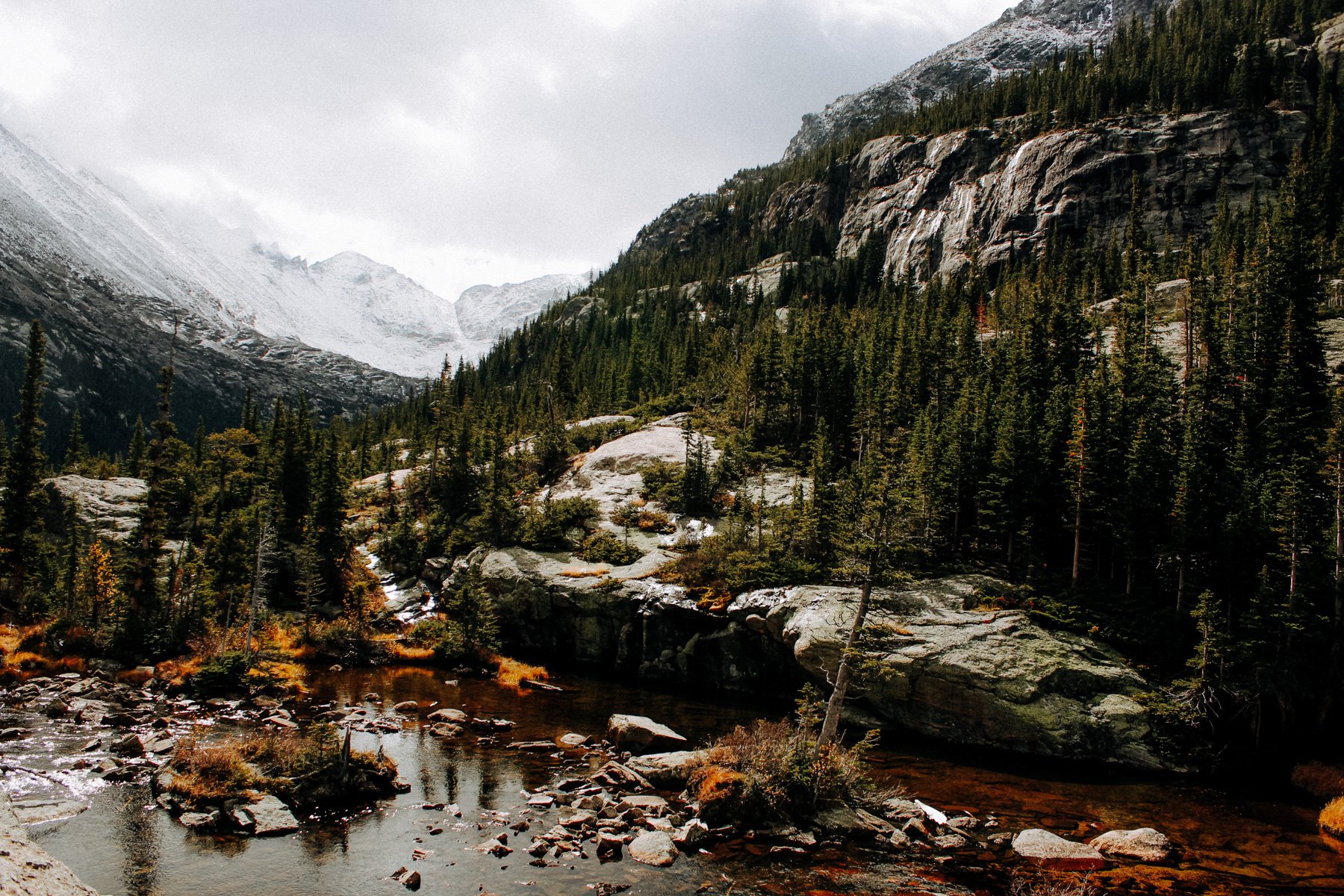
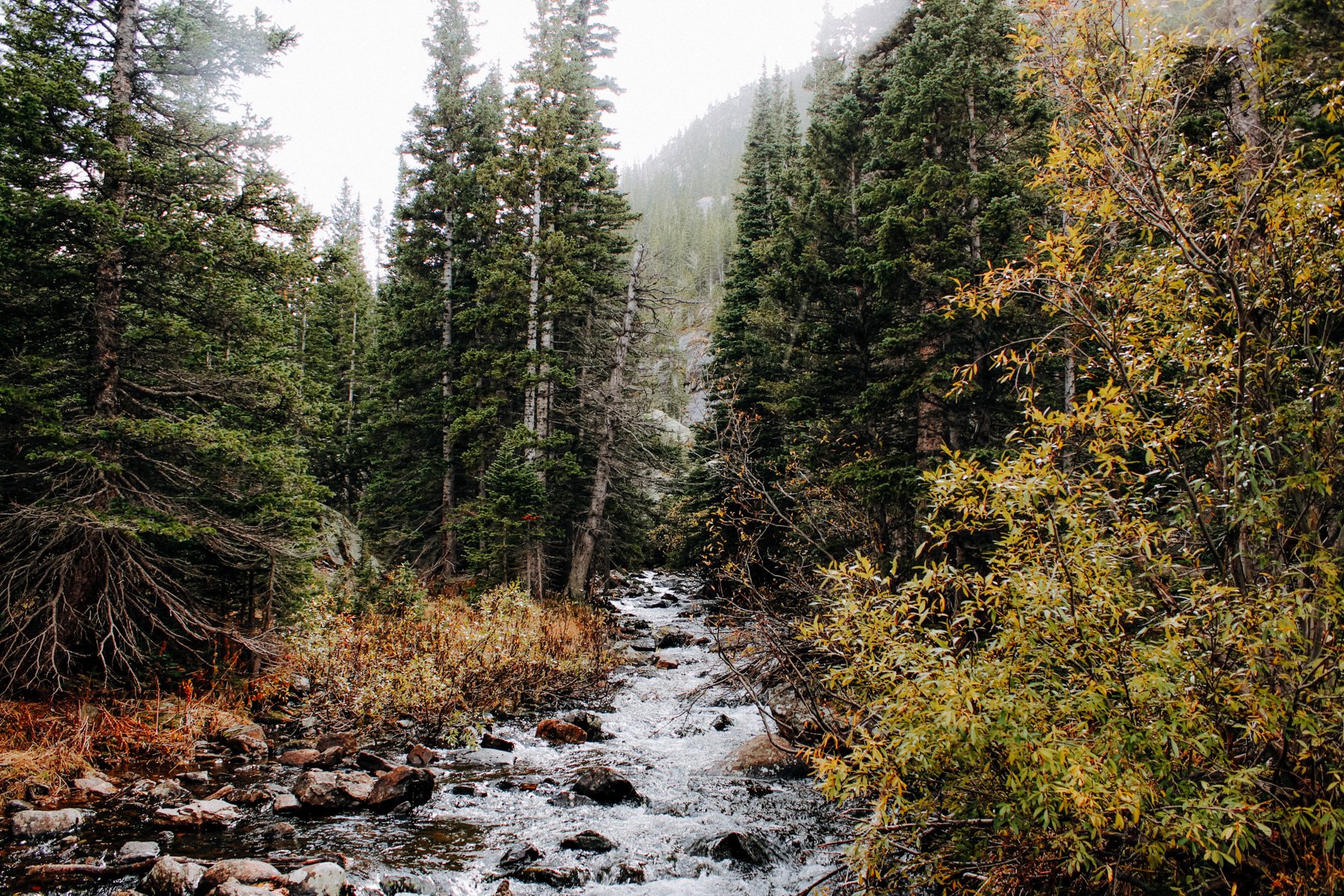
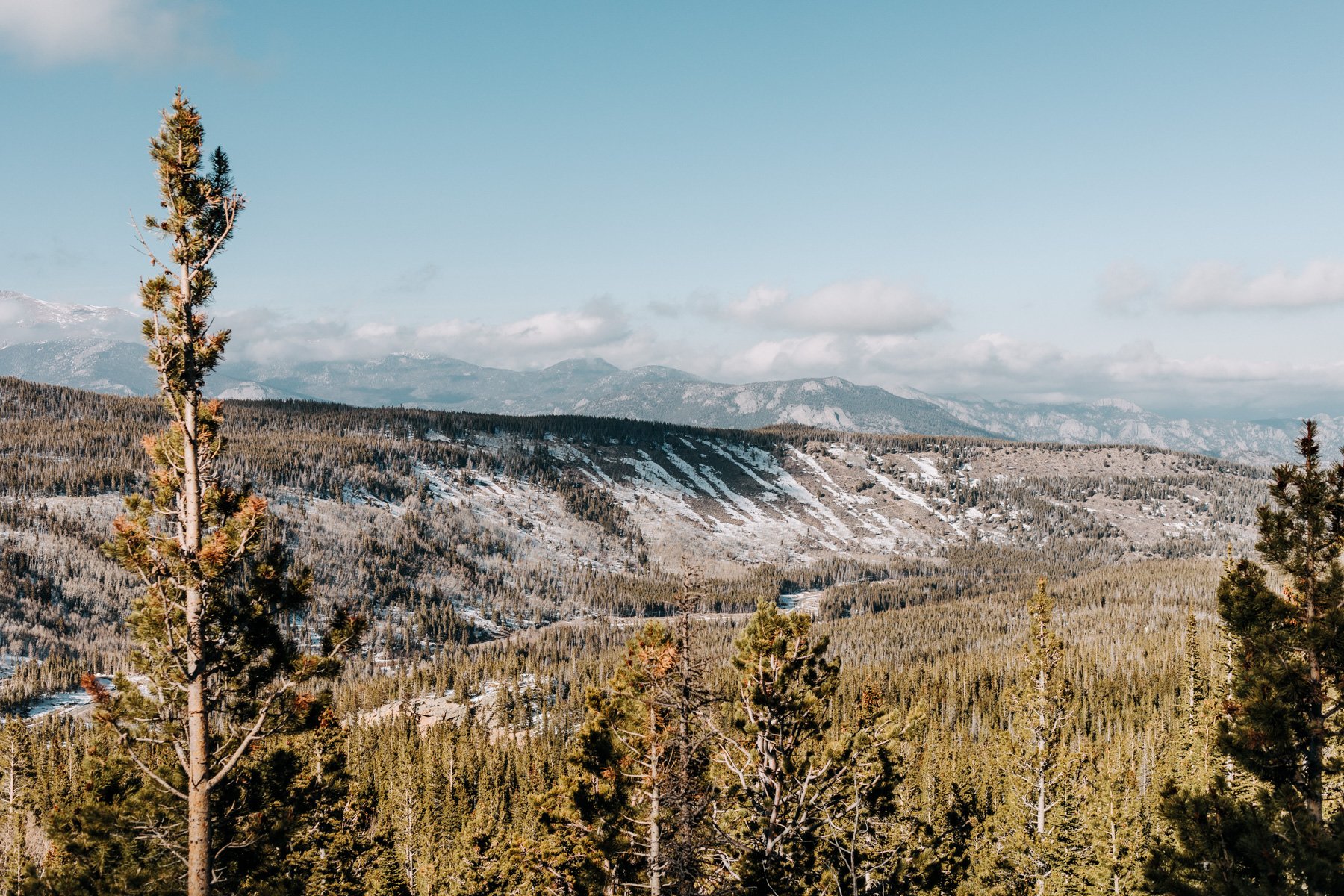
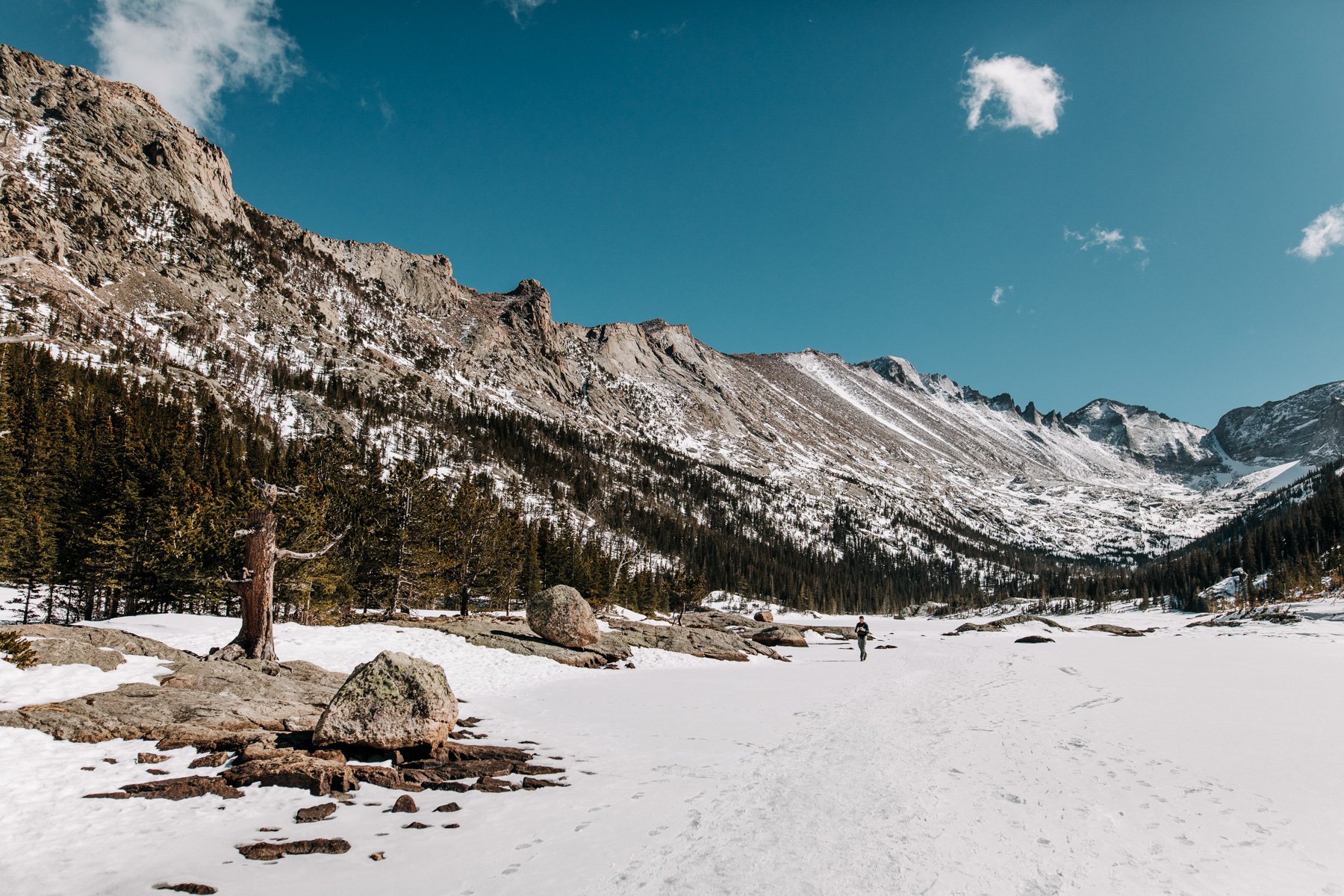
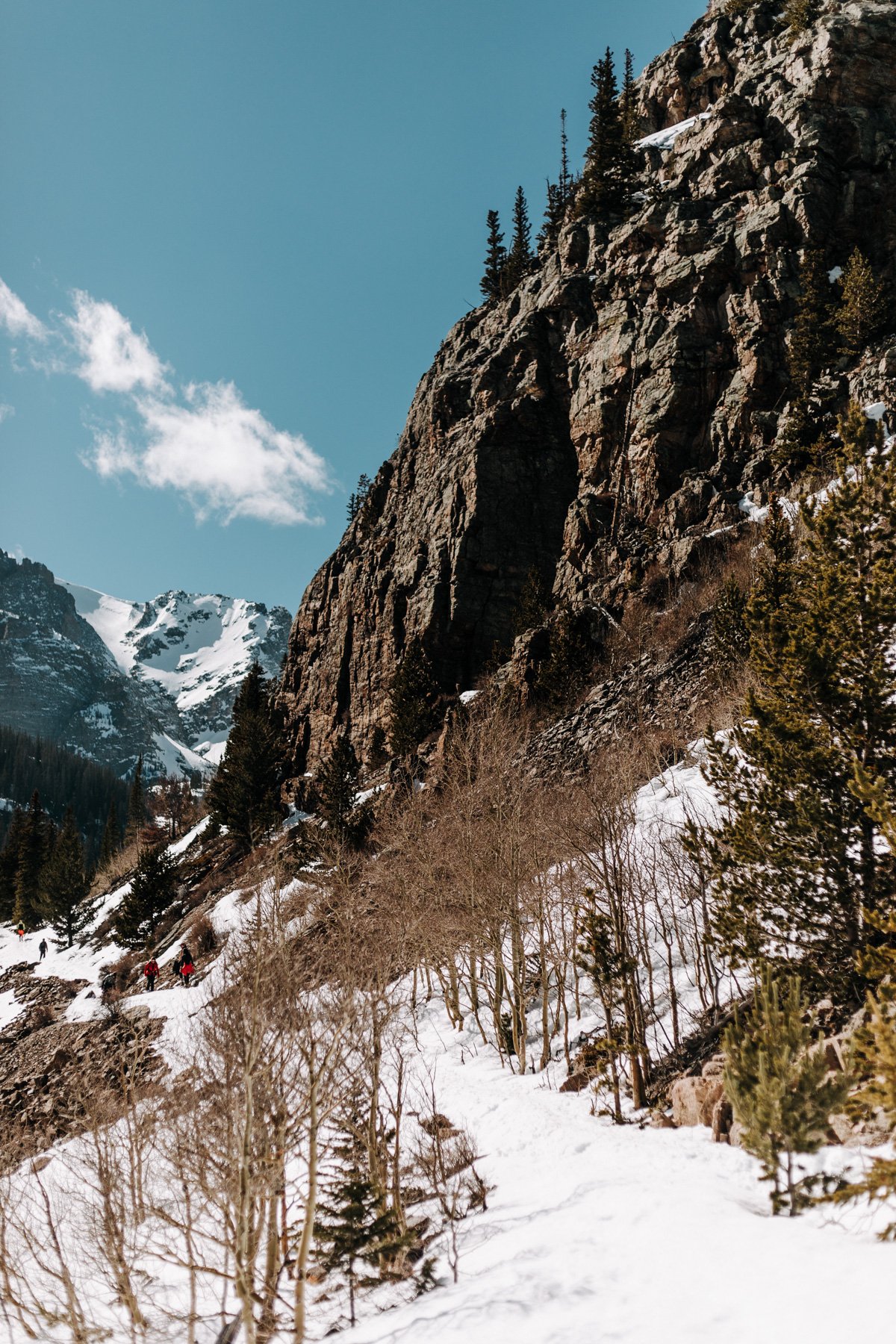
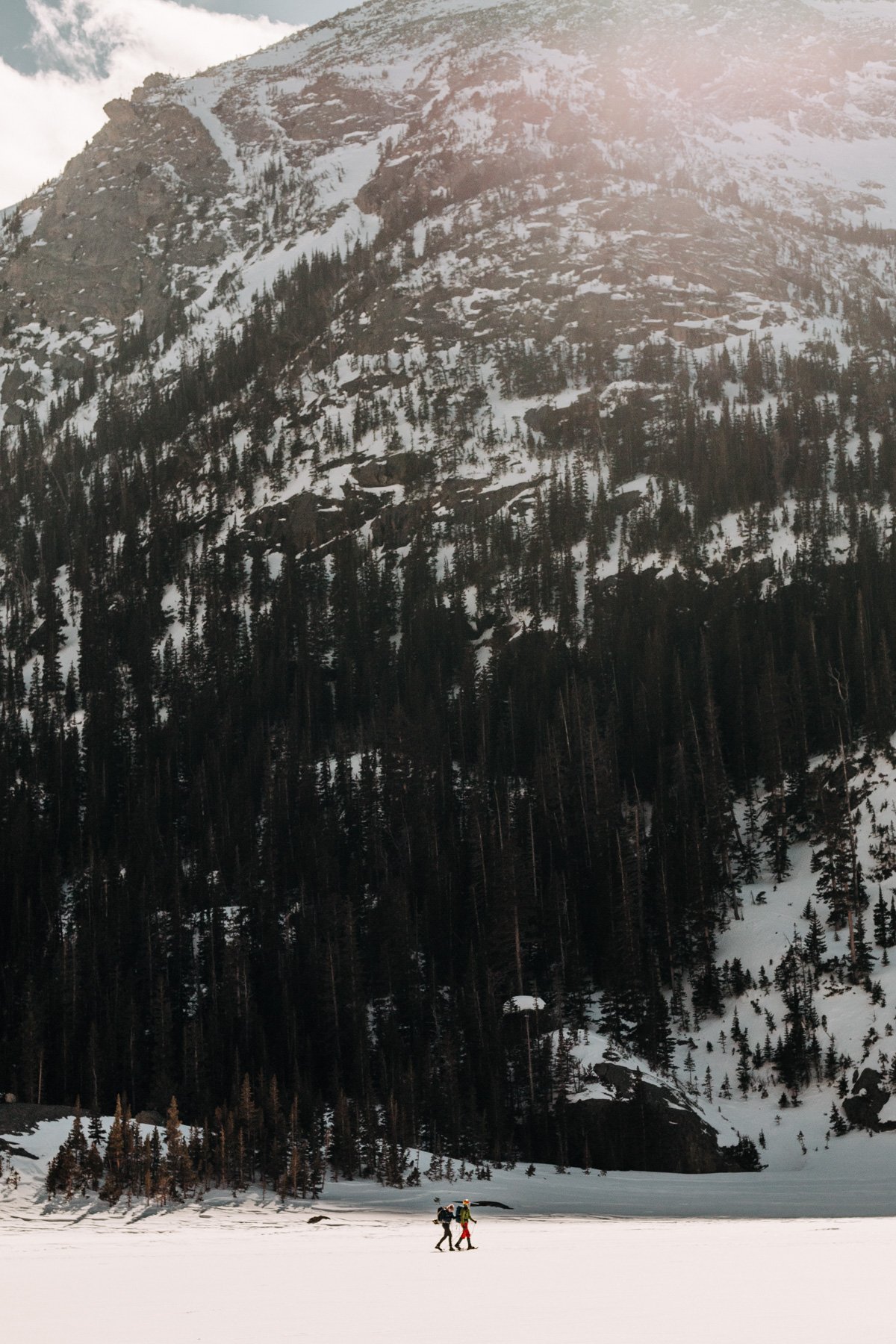
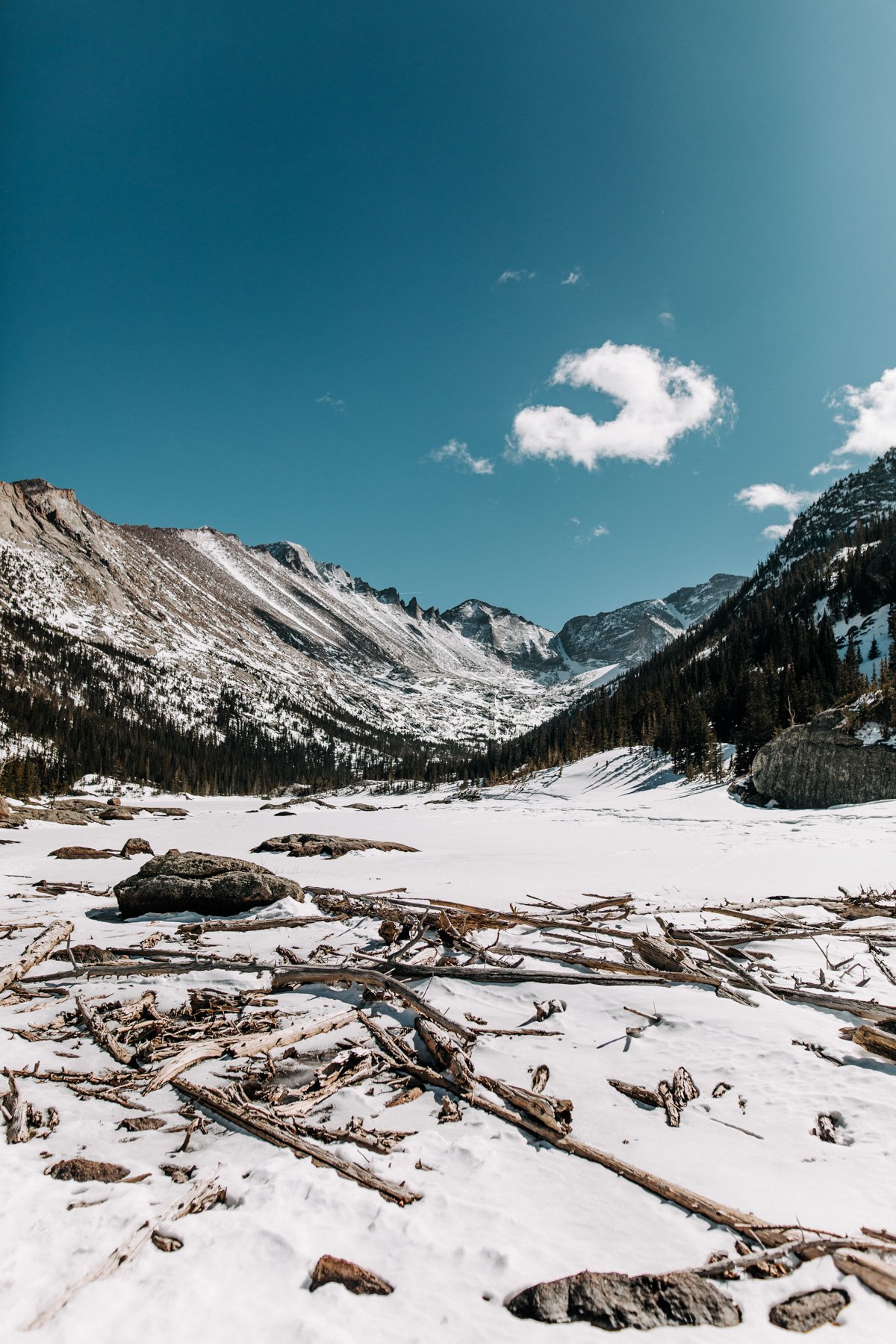
That trail for Mills lake starts at the Glacier Gorge trailhead, just before the Bear Lake Trailhead in Rocky Mountain National Park. I’m a firm believer in that RMNP should be explored in the off season. It gets quite crowded so if it’s winter, spring, or late fall thats a great time to go. Even better, go when the weather is overcast and gloomy (but not stormy) and you’ll have the most moody amazing hike of your life.
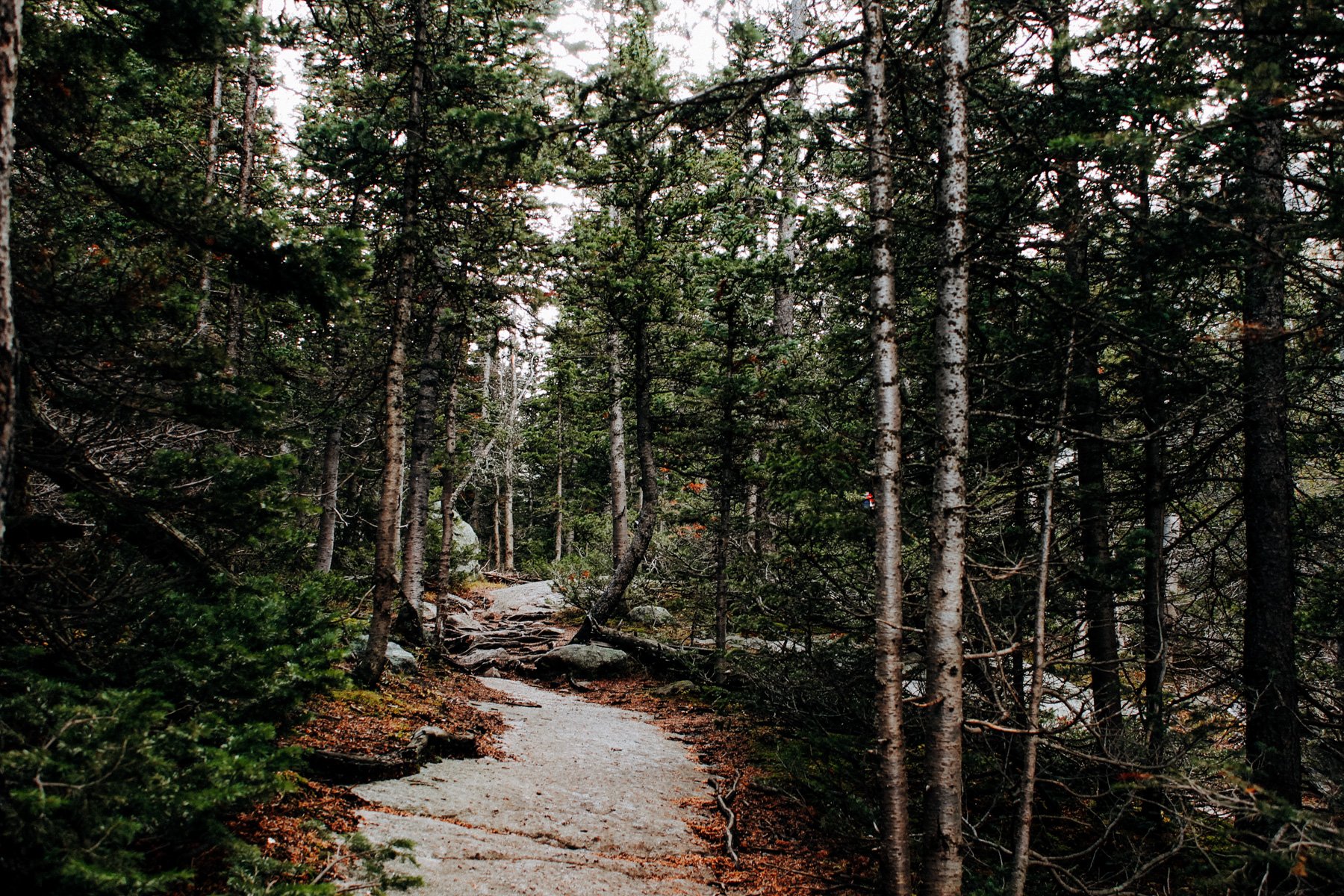
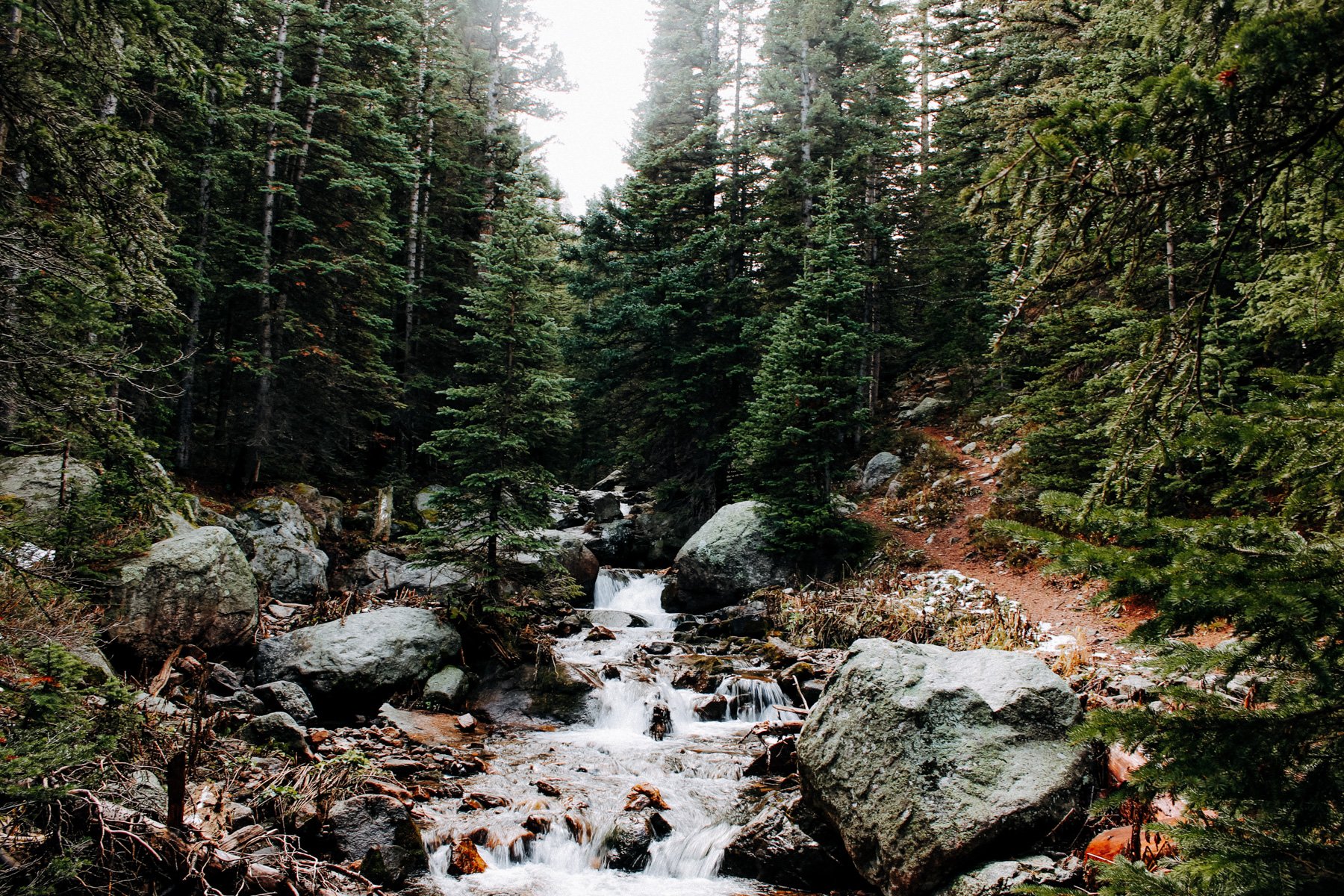
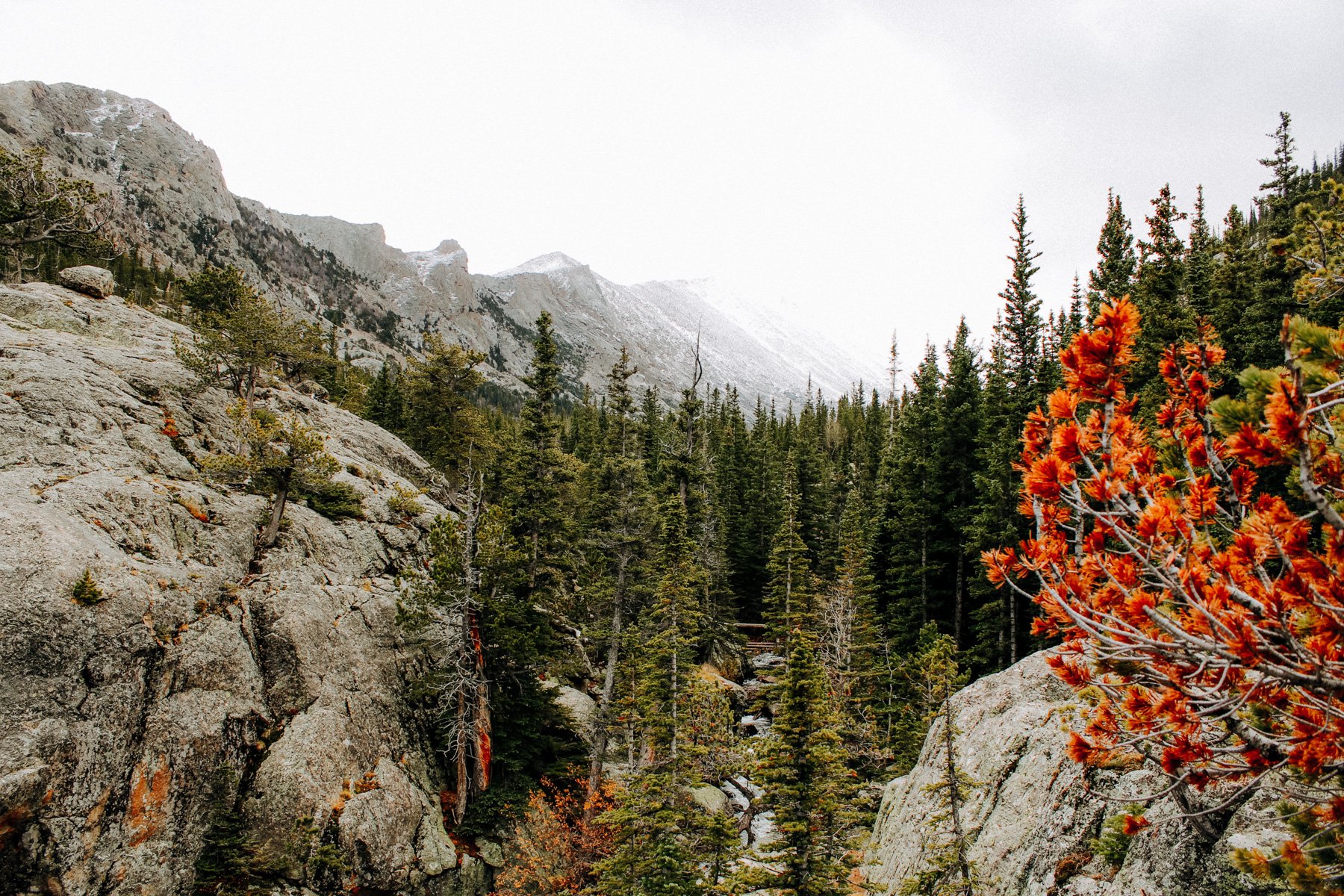
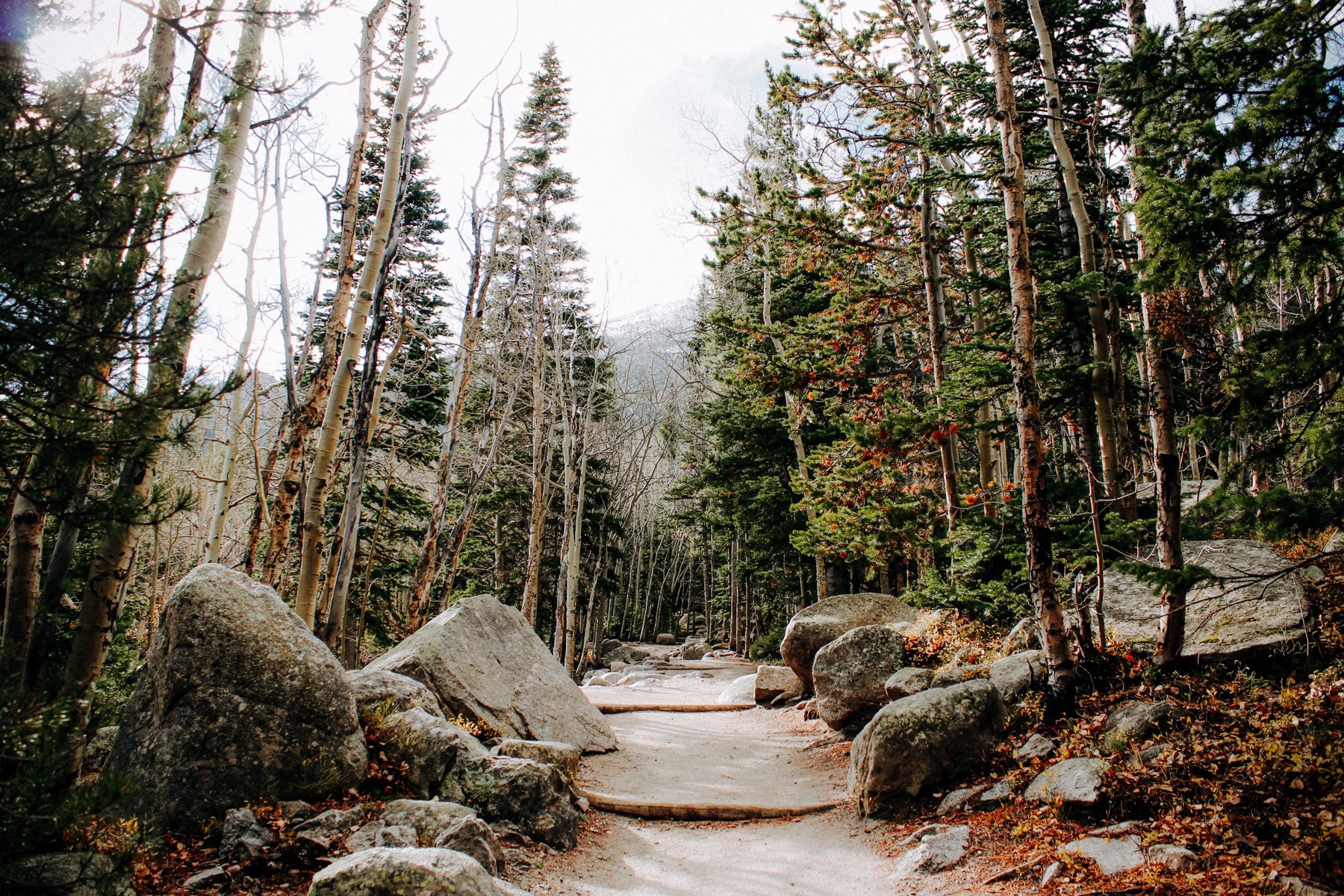
Every trail cut in Rocky Mountain is exceptional, and Mills Lake trail is no exception. You start steadily climbing through the forest, crossing over bridges and passing by Alberta Falls. If its crowded, a lot of it thins out after Alberta as most people turn around there. The climb is gradual enough that the hike isn’t very strenuous and goes by quick. The views of the surrounding Mummy Range as you hike below the peaks is breathtaking in any season. Just beware of snowpack in winter and spring!
Elopement potential:High, with a few caveats. RMNP requires a $300 special use permit if you want to read vows at one of their designated sites, and dogs are not allowed on hiking trails inside the park. BUT if you're okay with those logistics, this trail at sunrise in the off season is one of the most stunning places I've ever stood. The moody overcast light I mentioned? Incredible for photos. And no, you don’t need a permit if you’re just doing photos and not having a ceremony!
6. Broom Hut, Arapaho NF 2.1 miles RT 744 feet elevation gain
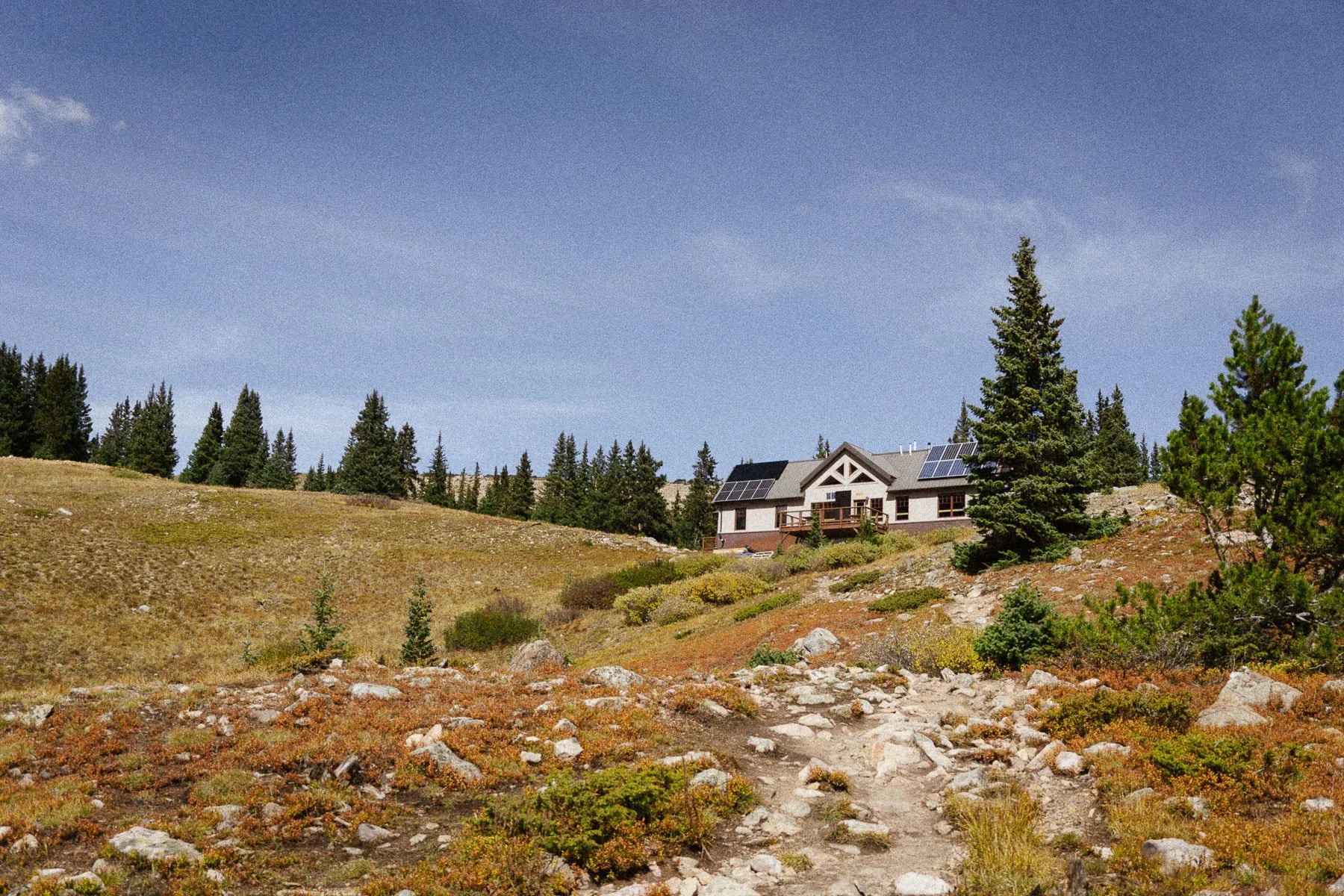
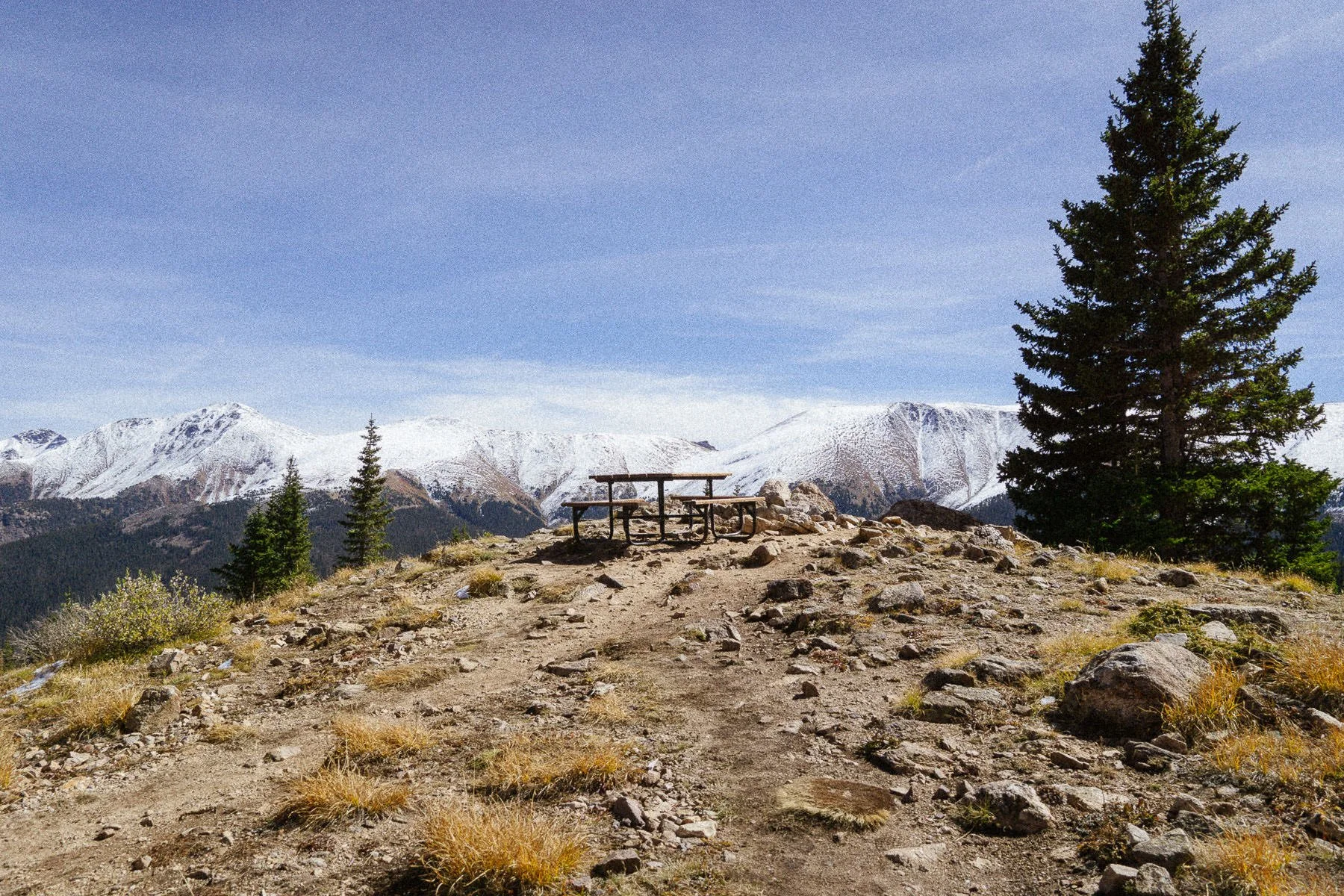
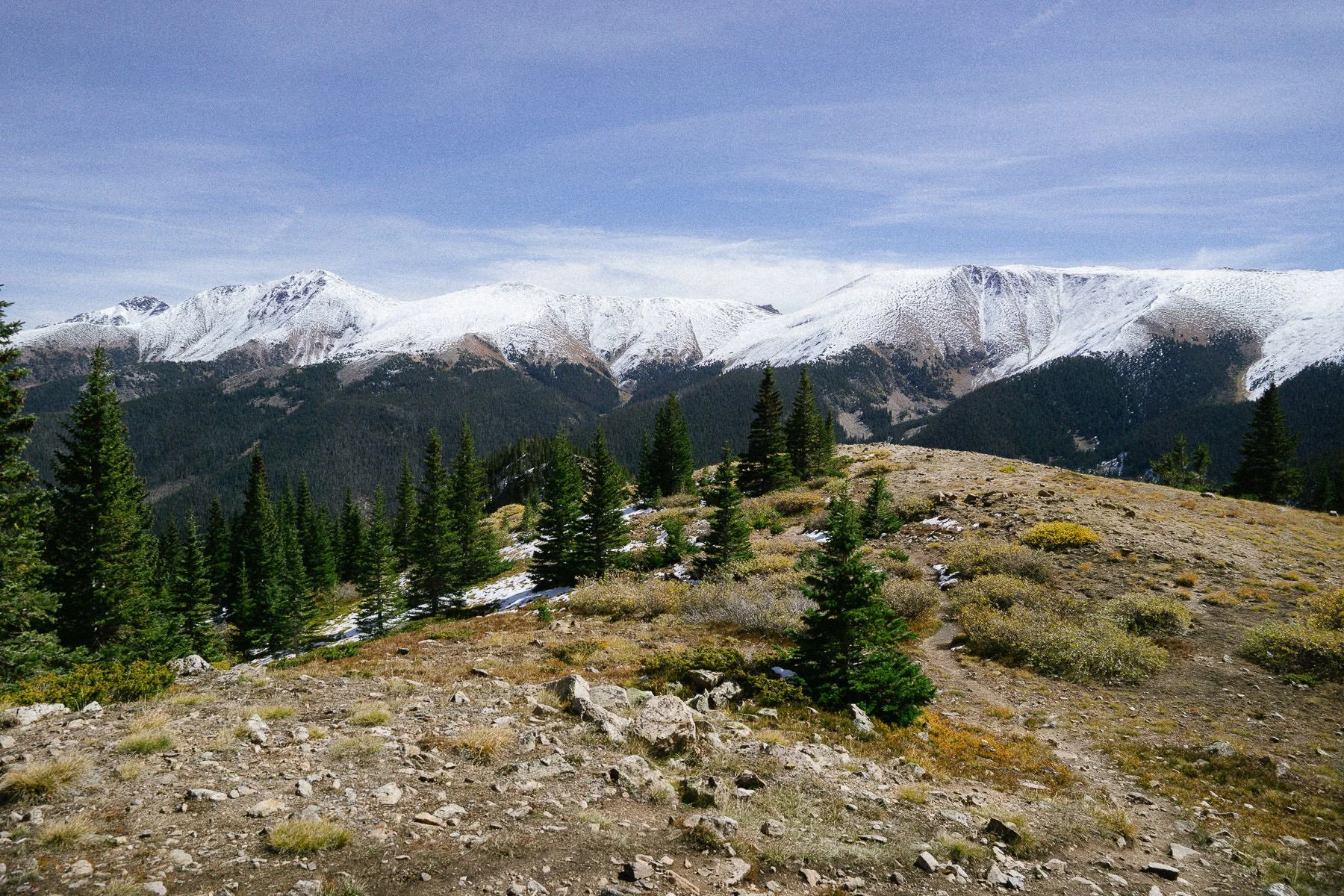
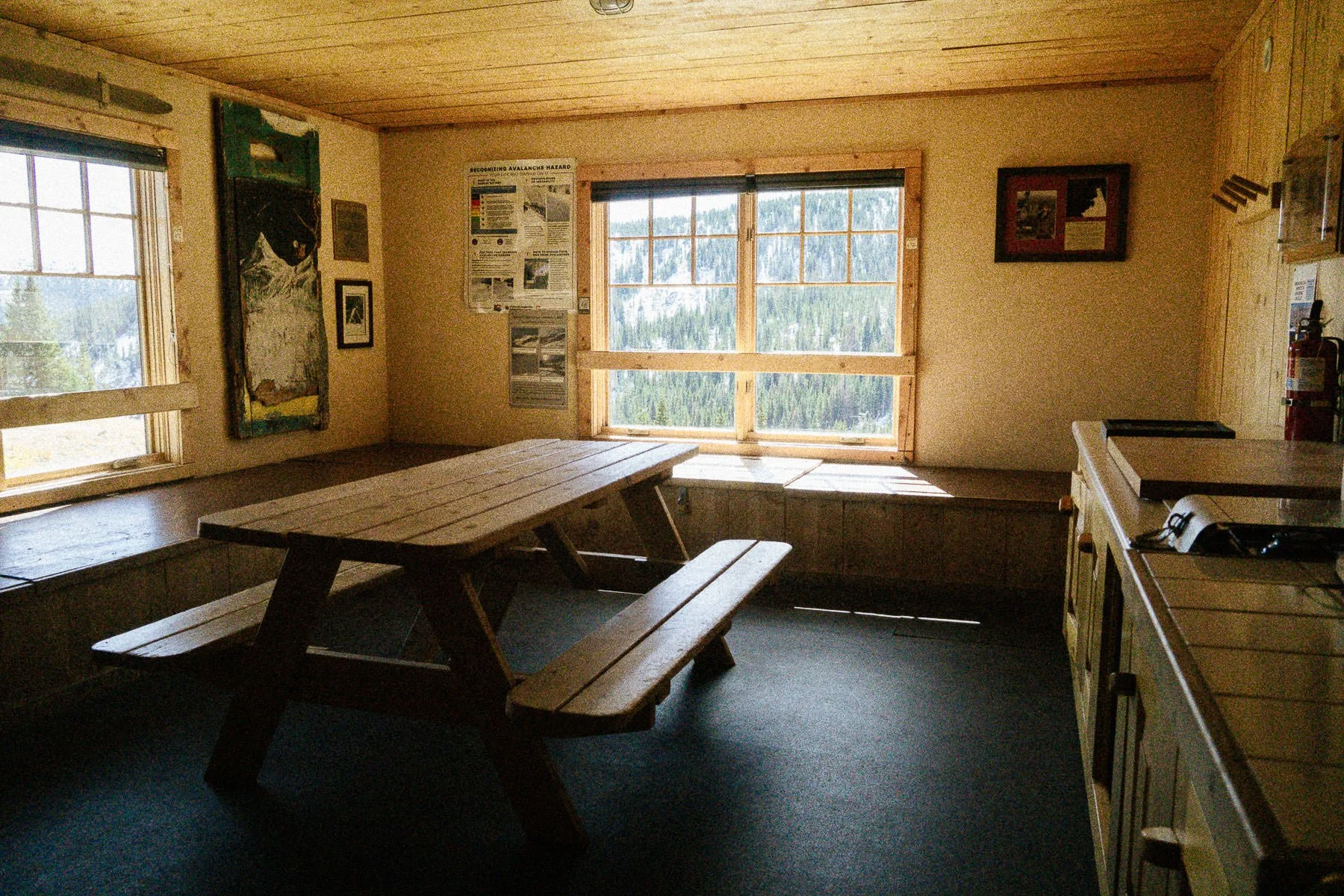
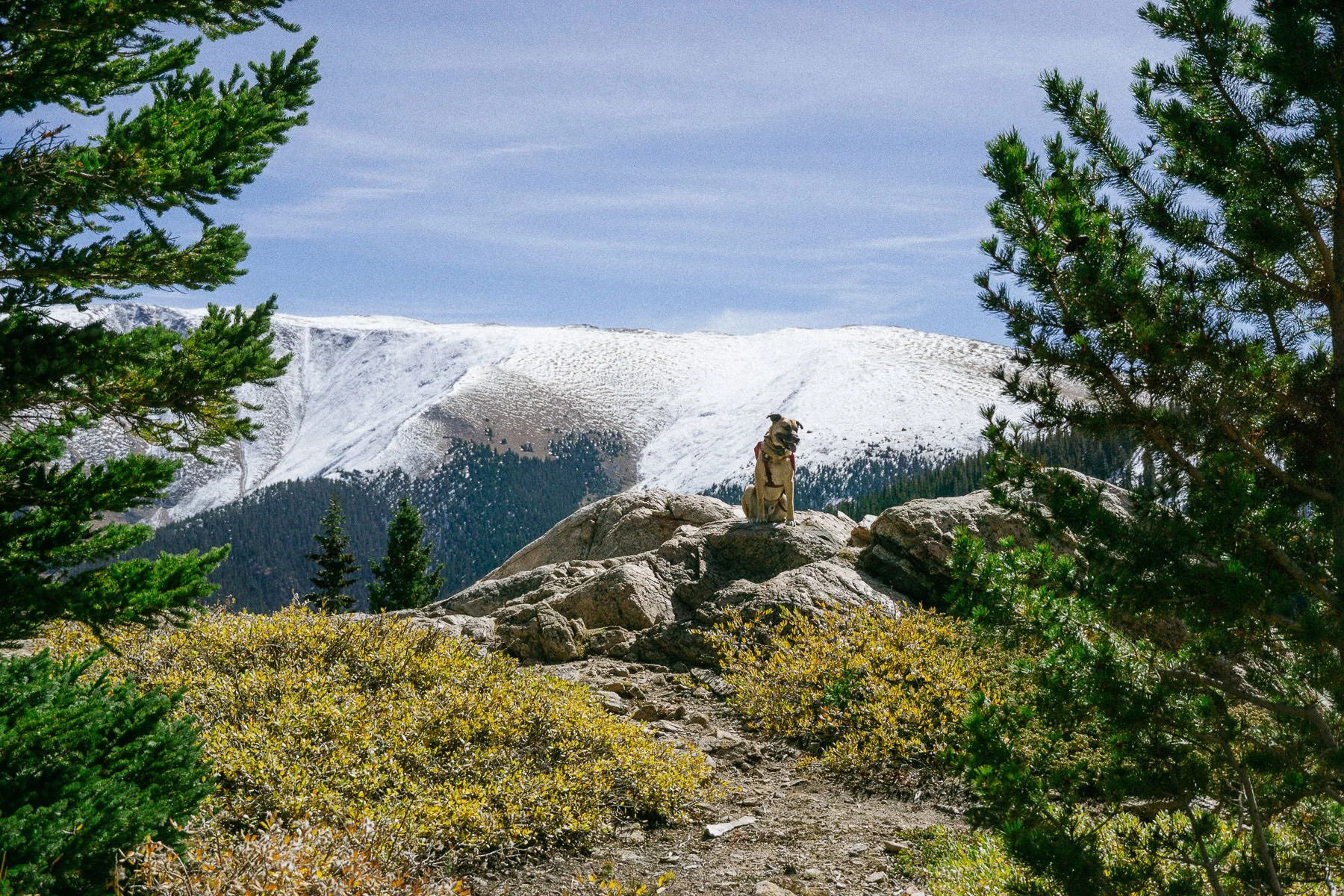
This is one of those hikes that you probably gotta be local to know about because it’s not the mosttttt popular hike in the area (doesn’t mean it isn’t still super popular!). But this hike has an easy steady elevation gain up to a little basin bowl with 180 degree views. Better yet, there’s a restroom! And picnic tables! And you can literally rent out the hut and or reserve spots and stay overnight!
The caveat - that means more people. So definitely don’t expect a tonnnn of privacy up here BUT there are some pretty incredible spots we can venture off to to get nature a little bit more to ourselves :)
Elopement potential:Medium but mighty. It's not the most private spot on this list since the hut gets reserved and there are picnic tables and restrooms up here… which actually makes it one of the more accessible and guest friendly options IF they’re willing to put in some effort to get there. Go early on a weekday and you'll have way more breathing room. National Forest land, no ceremony permit required, dogs welcome on trail.
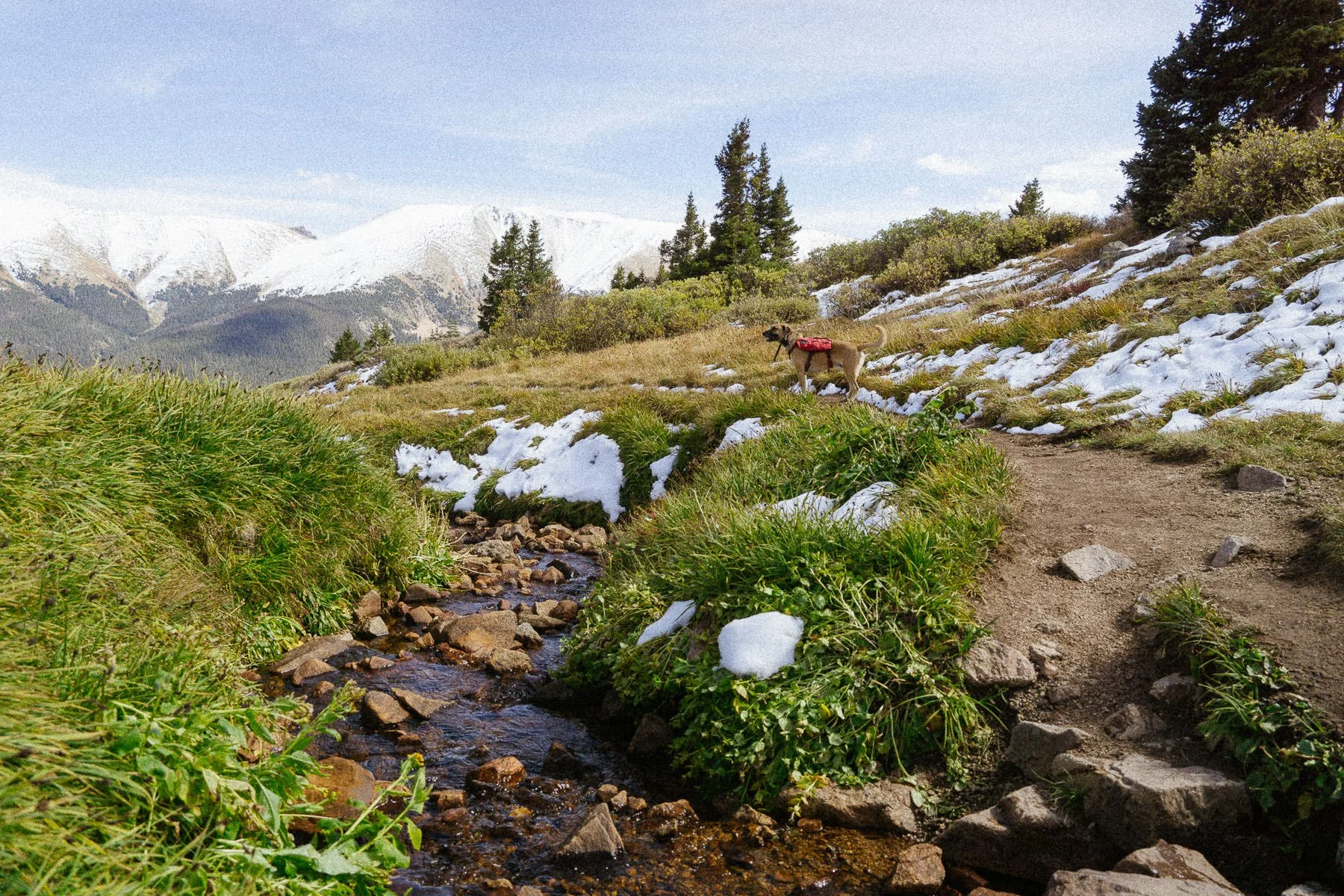
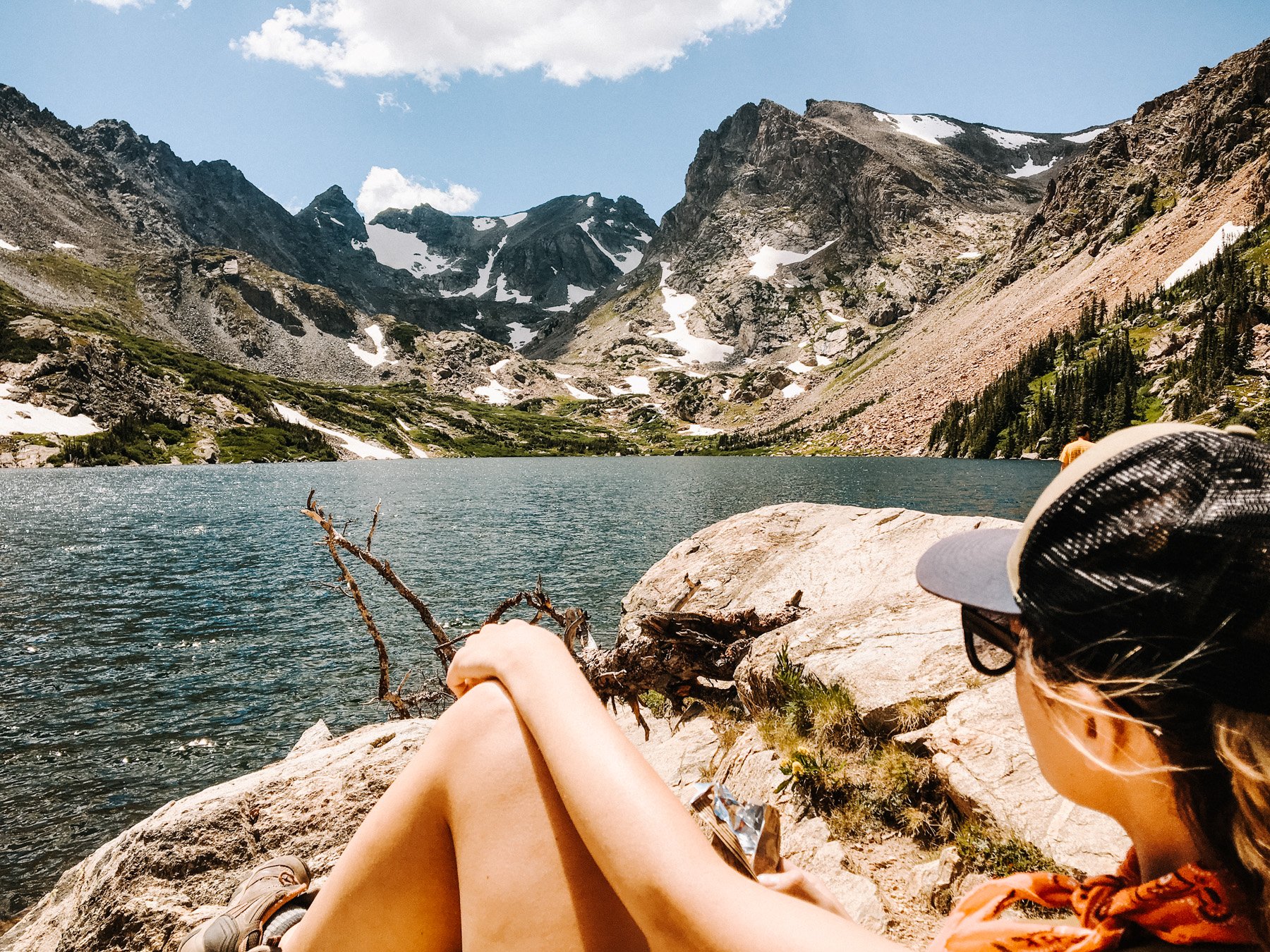
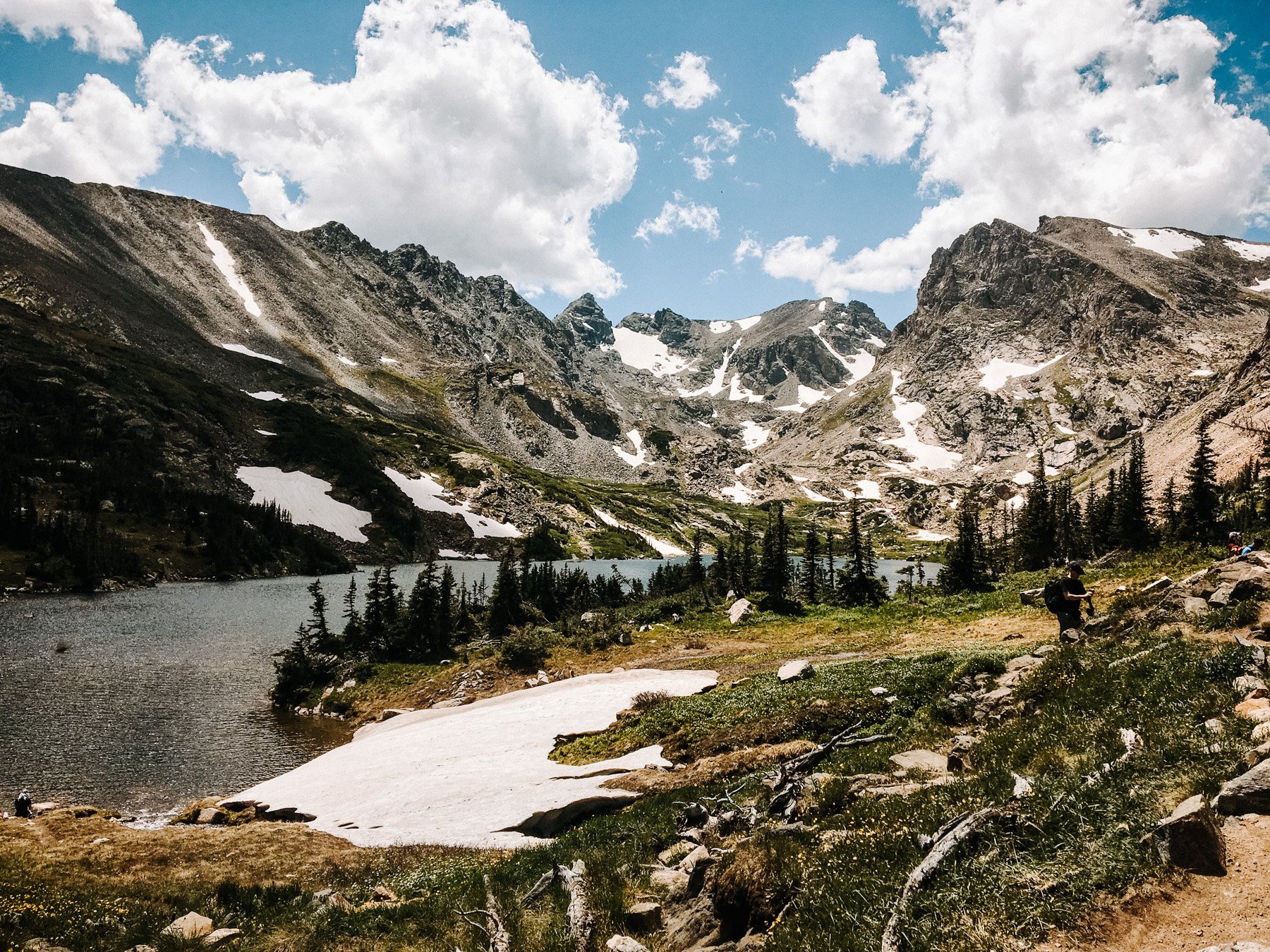
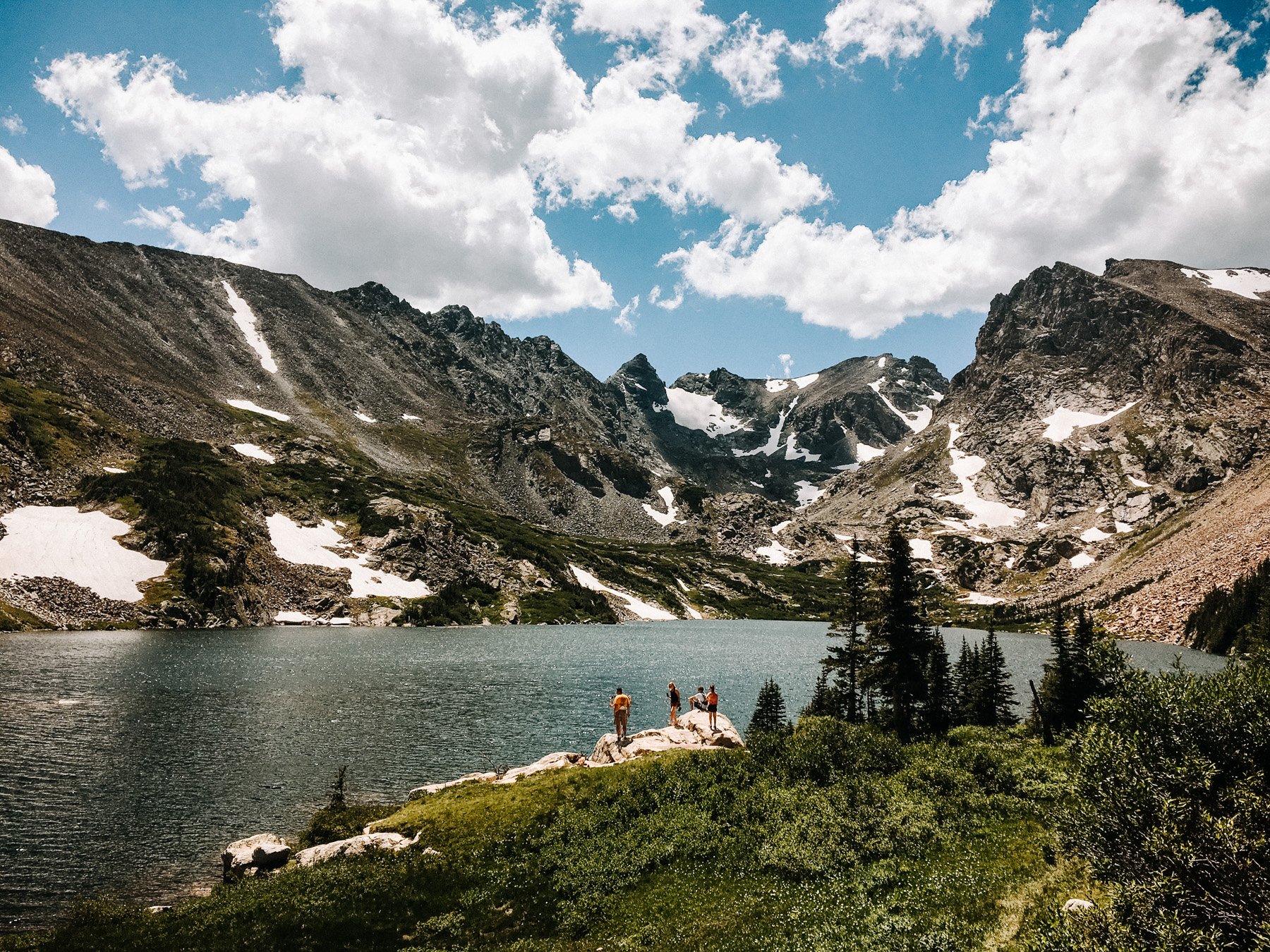
5. Lake Isabelle, Roosevelt NF, 4.4 miles RT 488 feet elevation gain
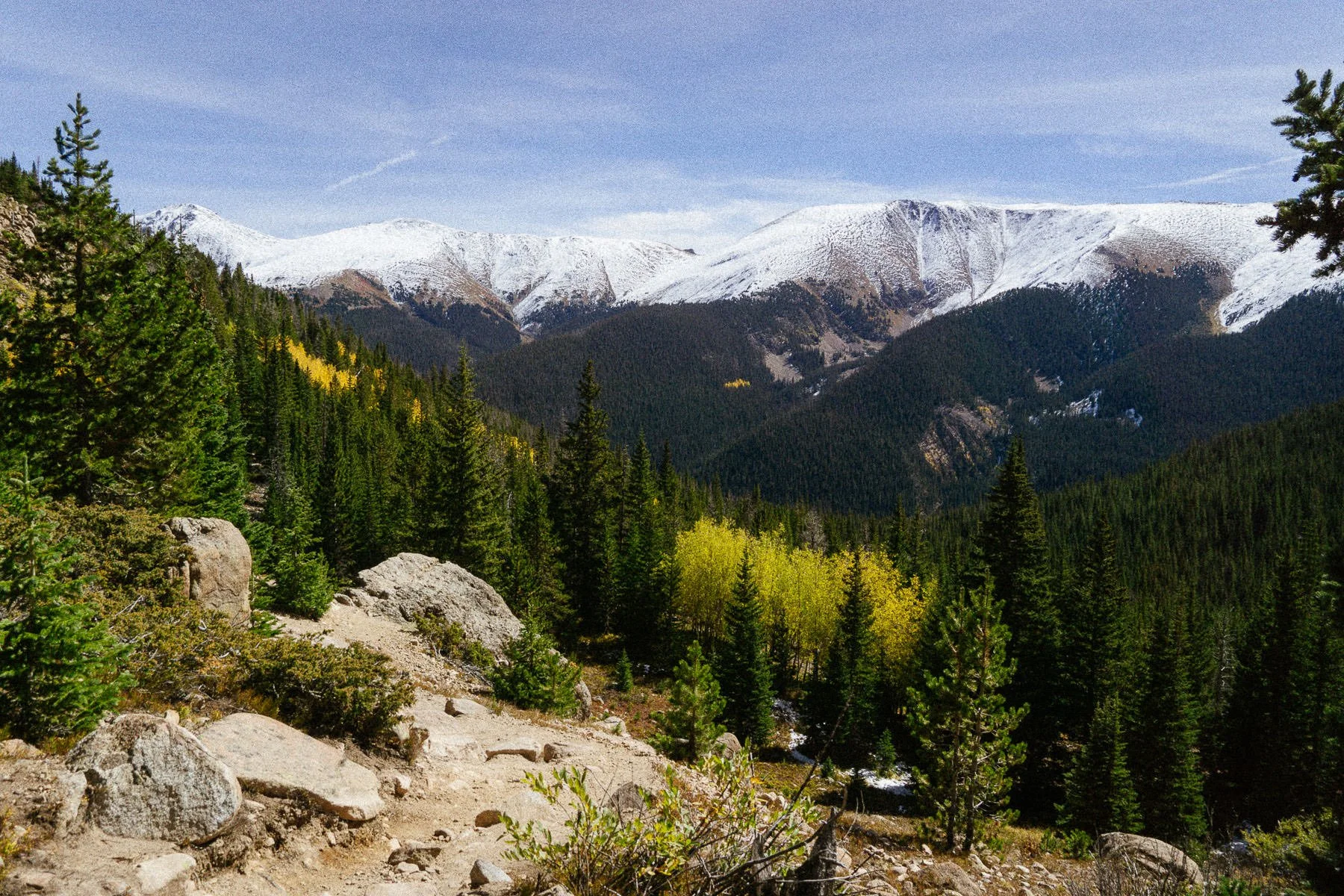
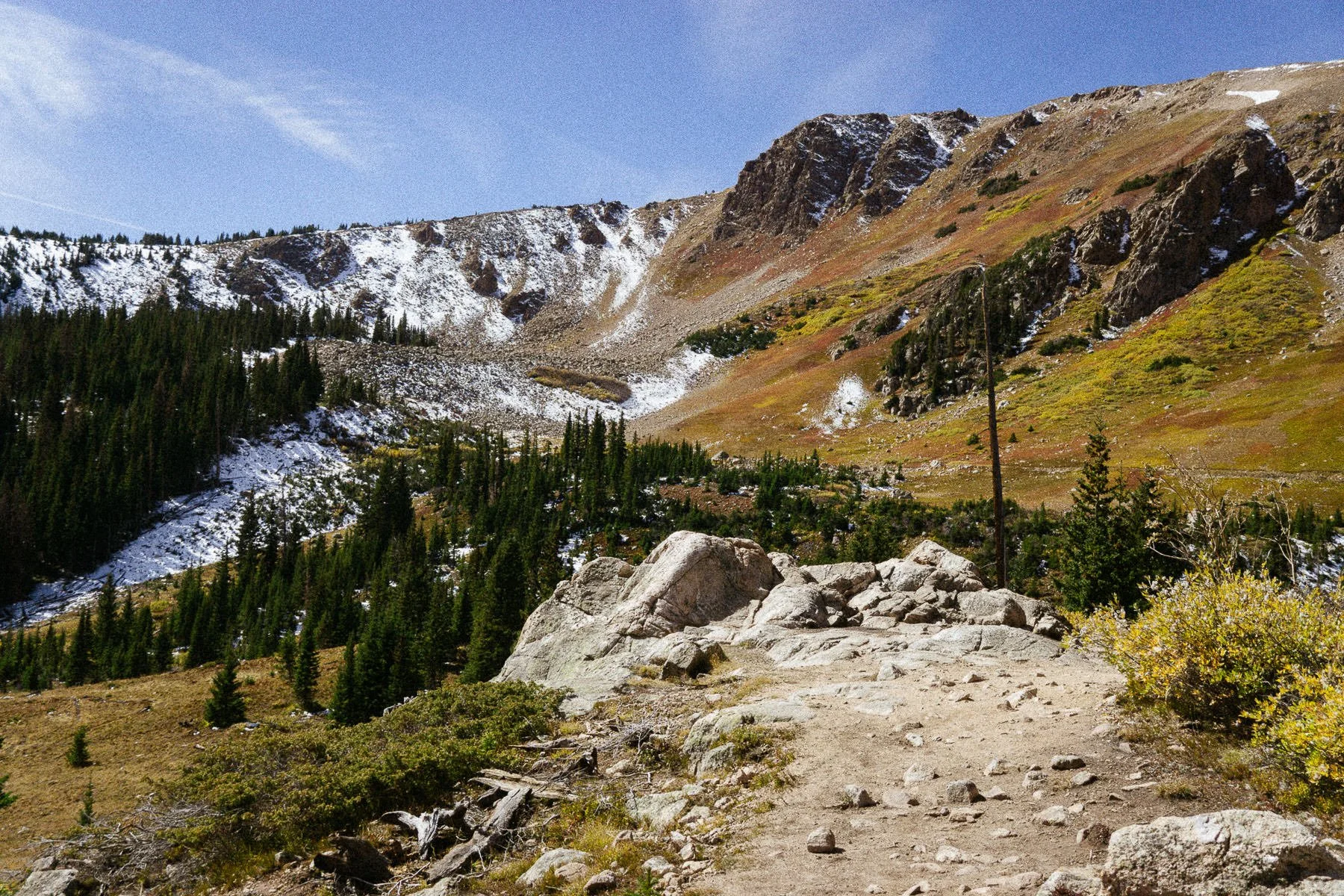
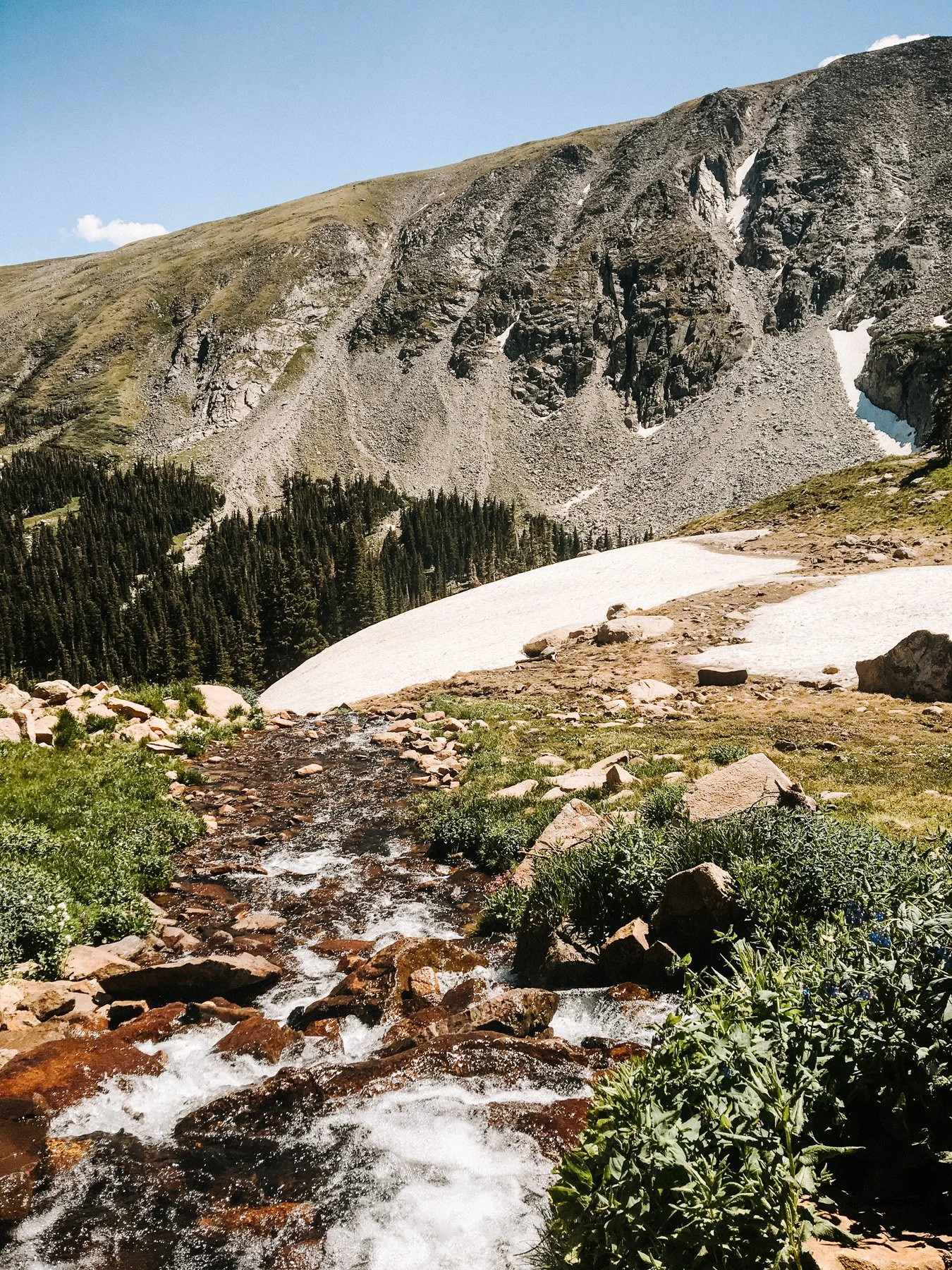
Lake Isabelle is another one of those picture perfect alpine lakes that is relatively easy to get to. You head up to the Indian Peaks Wilderness and take the turn for Brainard lake (timed entry parking pass now required!). Brainard Lake Recreation Area is also closed in the winter so just make sure the road is open if you’re going in the spring or fall, otherwise you just have to park at the winter trailhead, adding on a couple of miles.
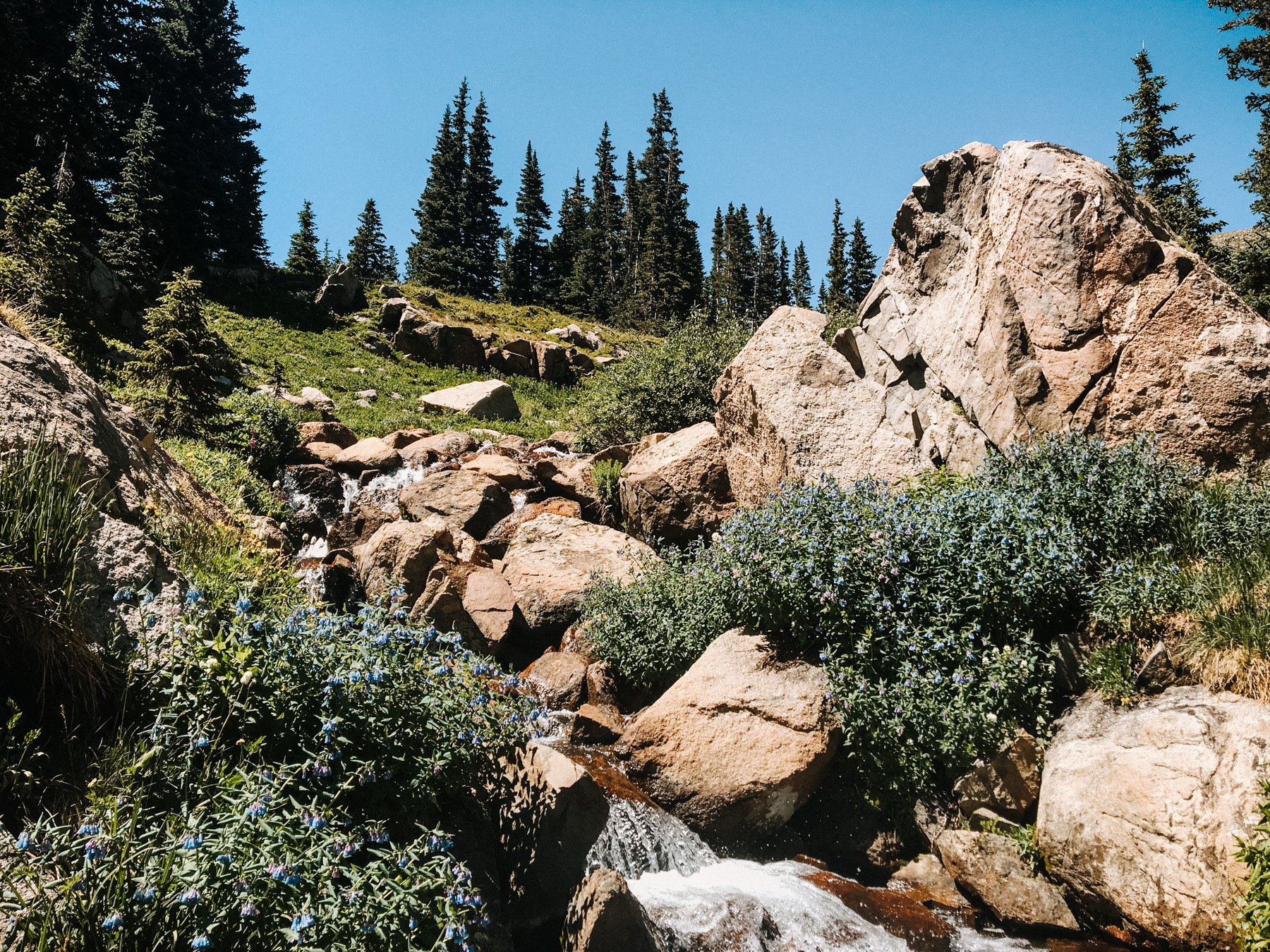
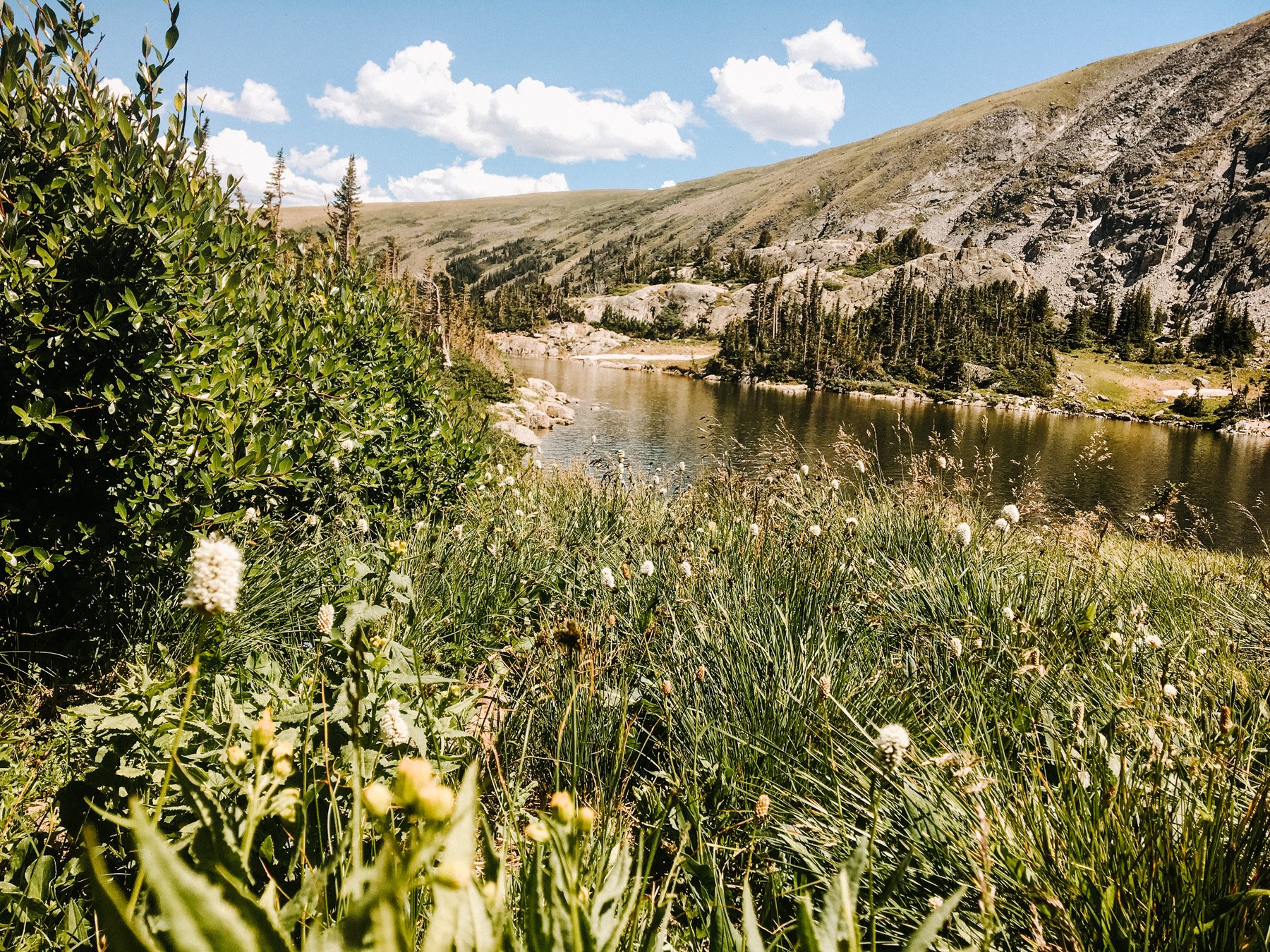
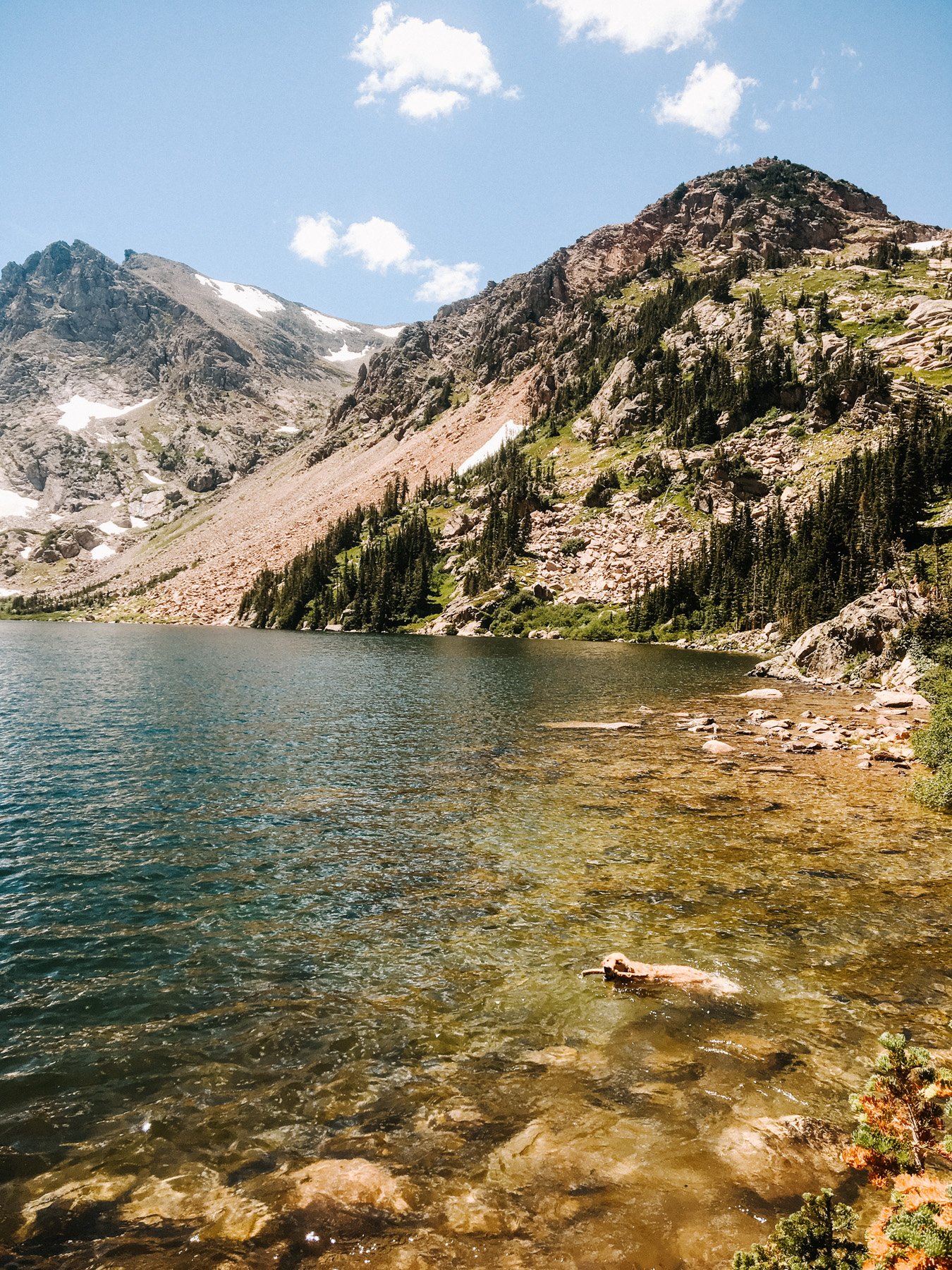
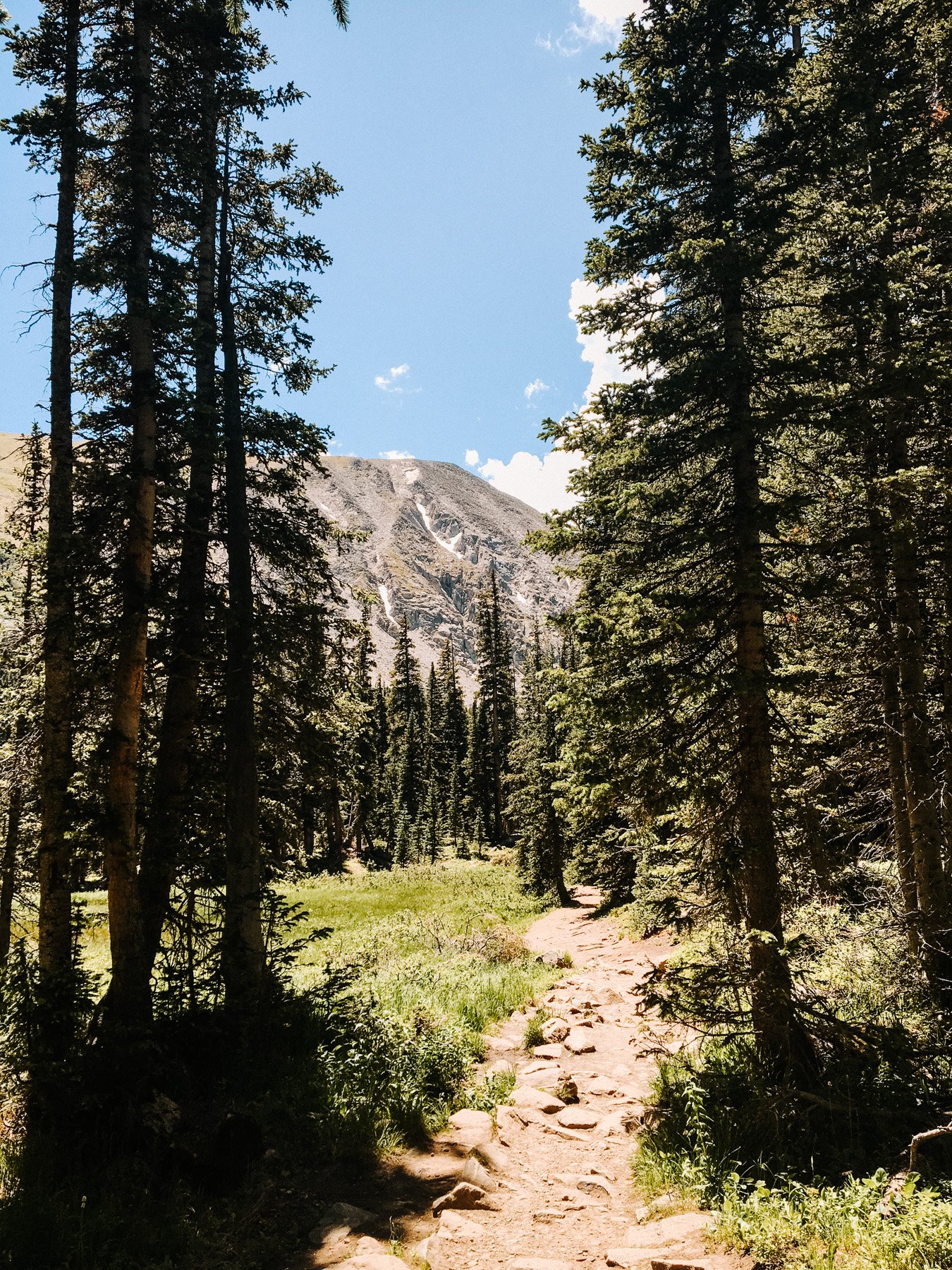
The hike starts through an alpine forest that gradually climbs right of Long Lake. Eventually you start switchbacking up and over cascading little waterfalls before reaching the lake. (Side note, these are all iphone photos from like 2015 so they are not the best quality, but you get the picture).
Elopement potential:Really high. National Forest land means no ceremony permit required, dogs are welcome on trail, and the scenery is legitimately stunning. The Brainard Lake Recreation Area is one of my go-to suggestions for couples who want alpine lake views without a brutal hike. Just confirm the road is open for your date! It typically opens late May but is snow dependent.
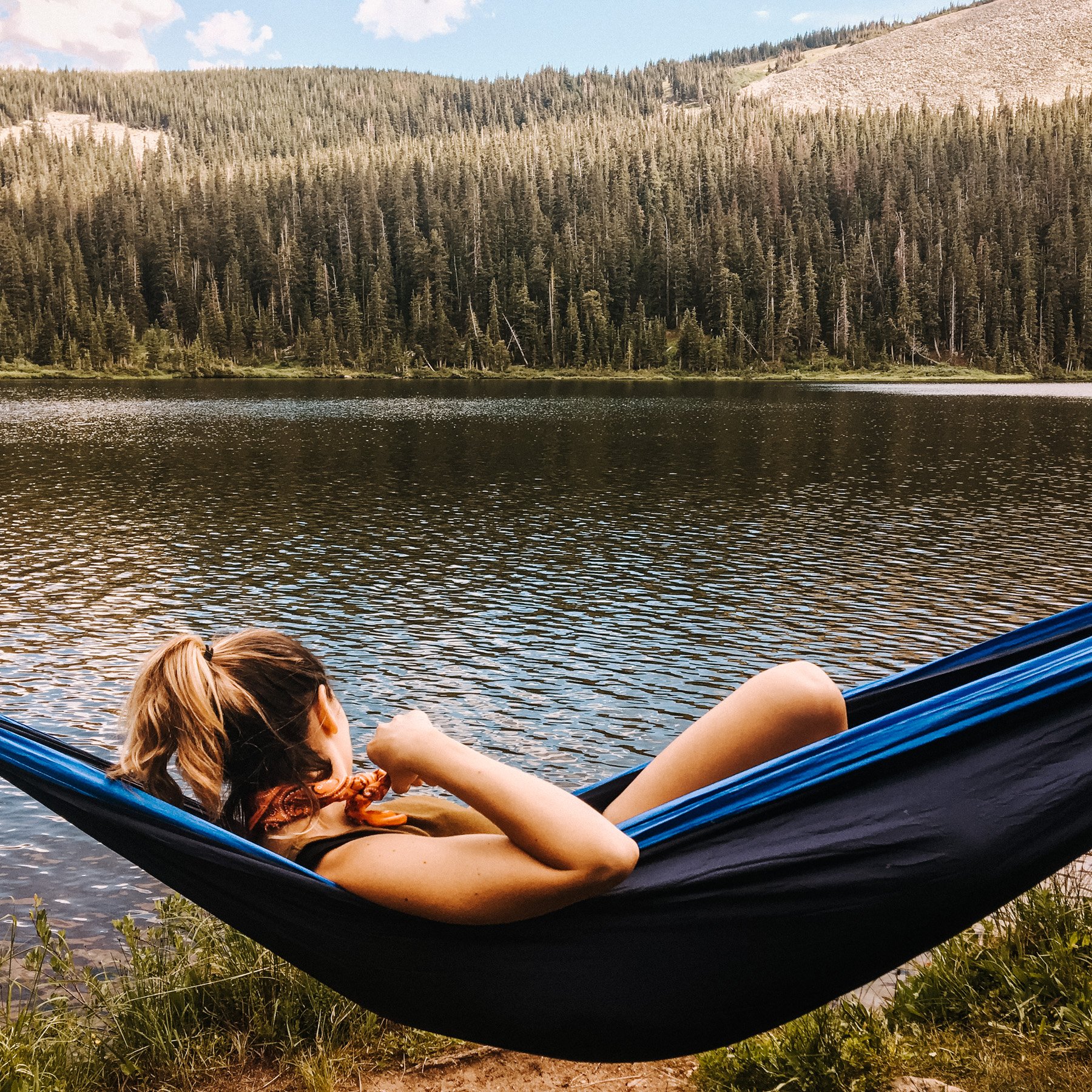
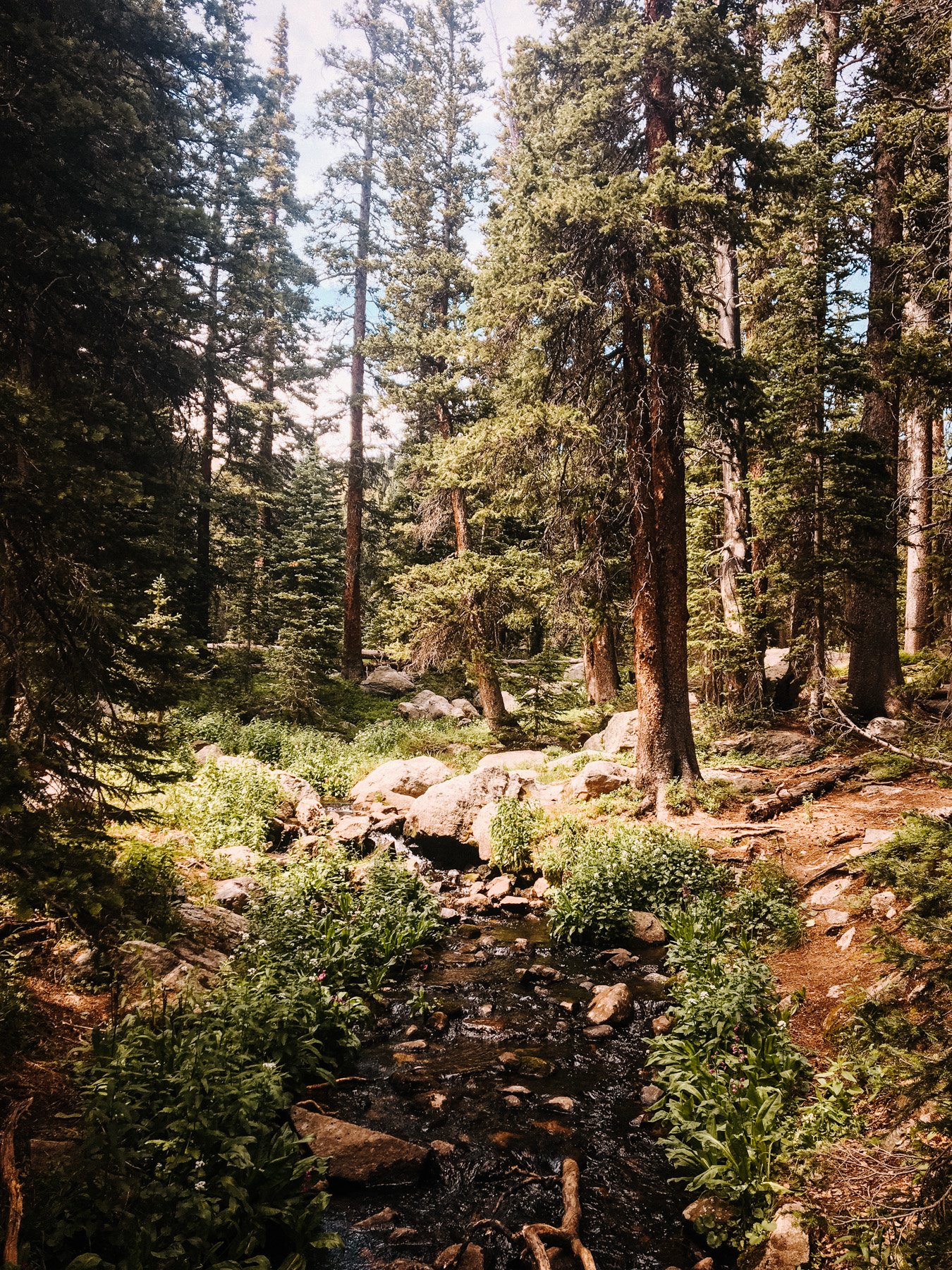
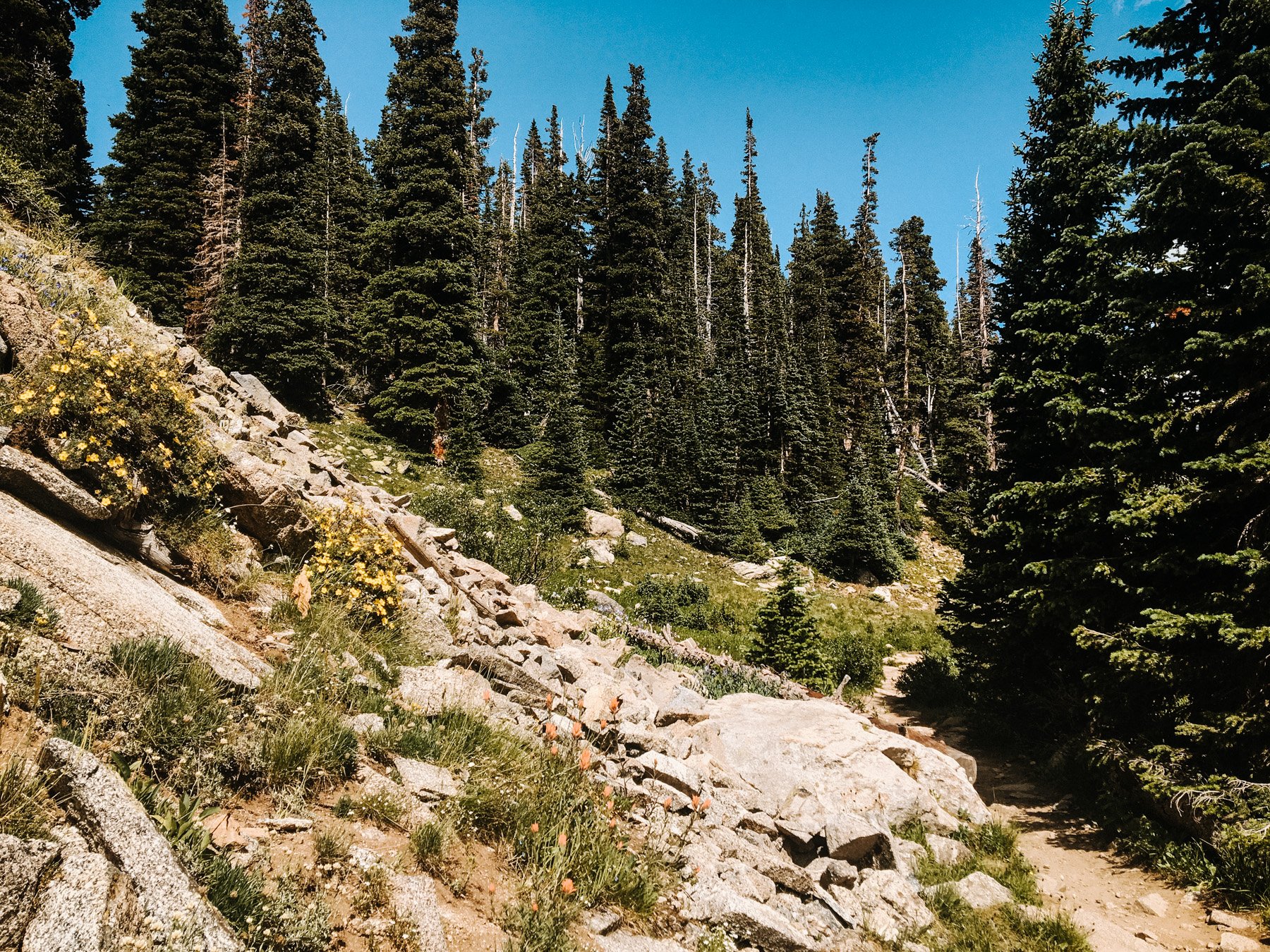
4. Slater Lake, ARapaho NF 2 miles RT ±300 feet elevation gain
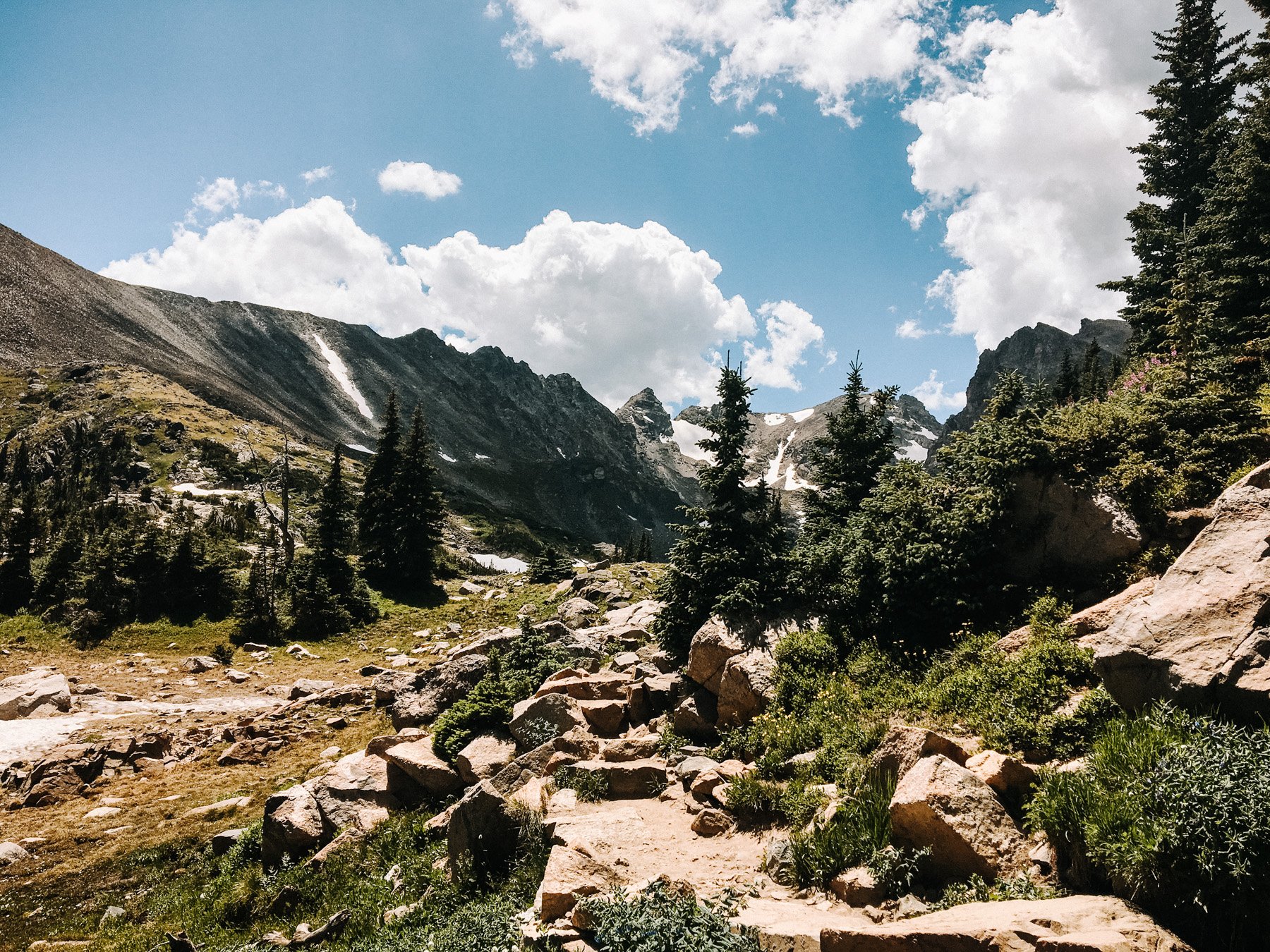
Slater Lake is one of those spots that feels like a secret even though it’s technically not and the trailhead where you access the hike can be kinda wild in the summer on weekends. But that doesn’t stop it from being one of my favorites! If you have 4x4 and the road is open, you can drive up to Lower Chinn's Lake and hike from there to Slater Lake, which cuts the mileage down significantly and makes the whole thing much more doable. In the winter or when the gate is closed, add on a couple of miles and about 1000 feet of elevation gain from the winter parking area!
Elopement potential:Really high. The seclusion factor is the main draw. Fewer people means more privacy, and the landscape up there is stunning. The 4×4 trail can take about 30 minutes once you turn off of the main road. National Forest land means no ceremony permit required and dogs are welcome on trail. Just be prepared for wind and plan your timeline around morning hours before afternoon weather rolls in.
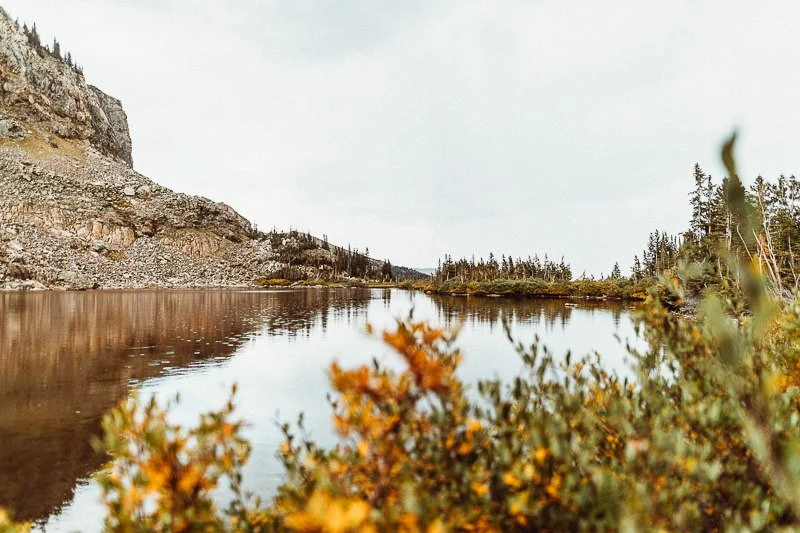
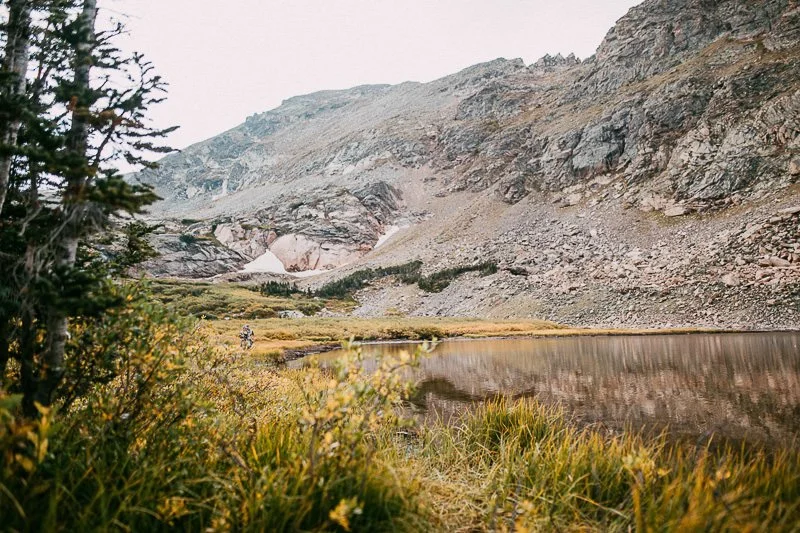
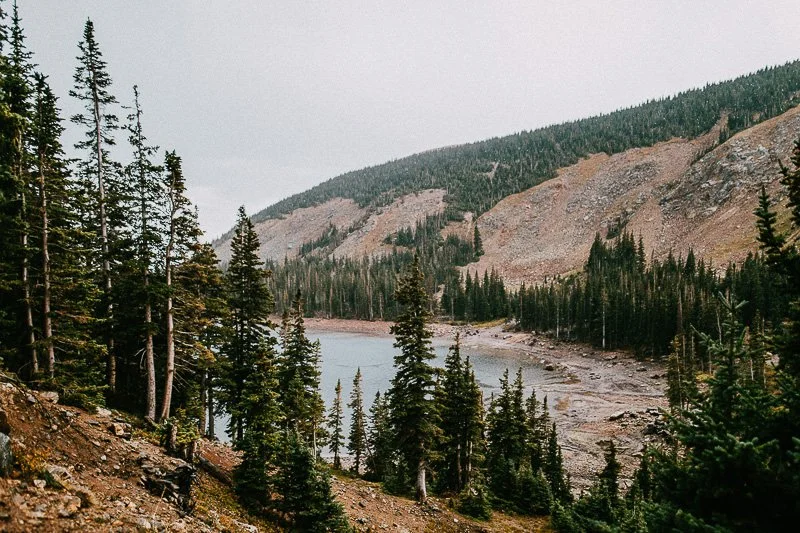
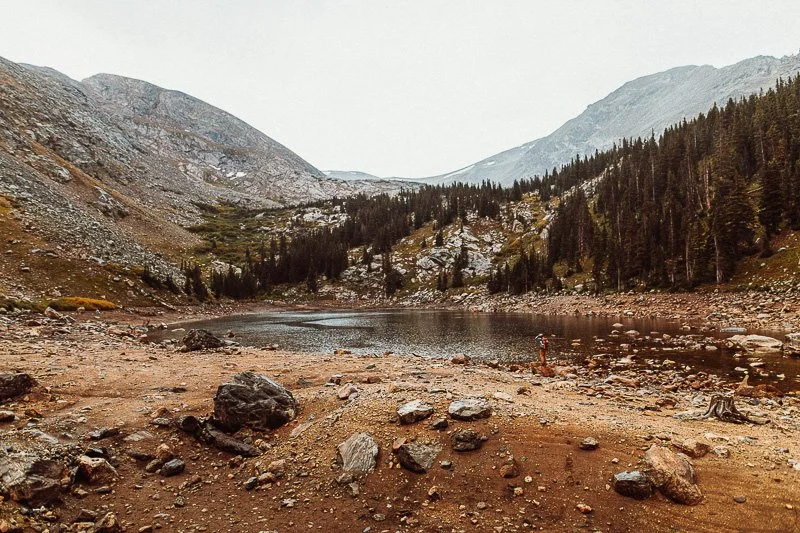
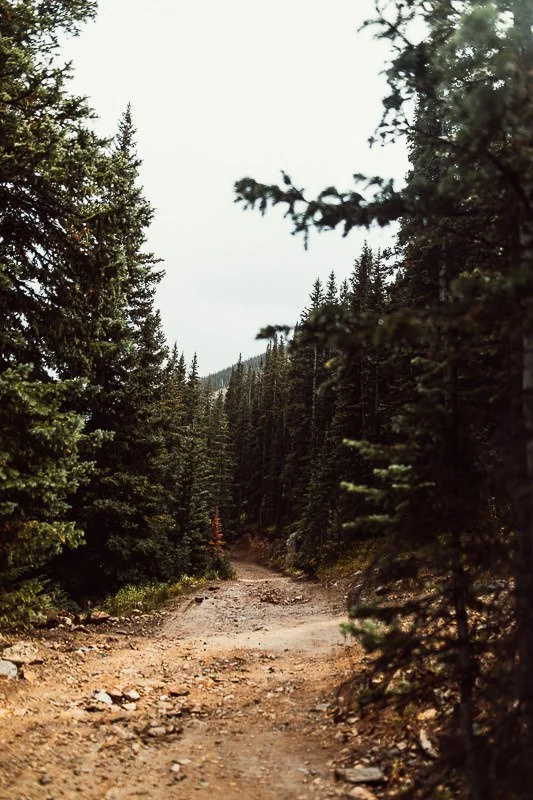
3. Loch Lomond, Arapaho NF 4.6 miles RT 895 feet elevation gain or 4×4
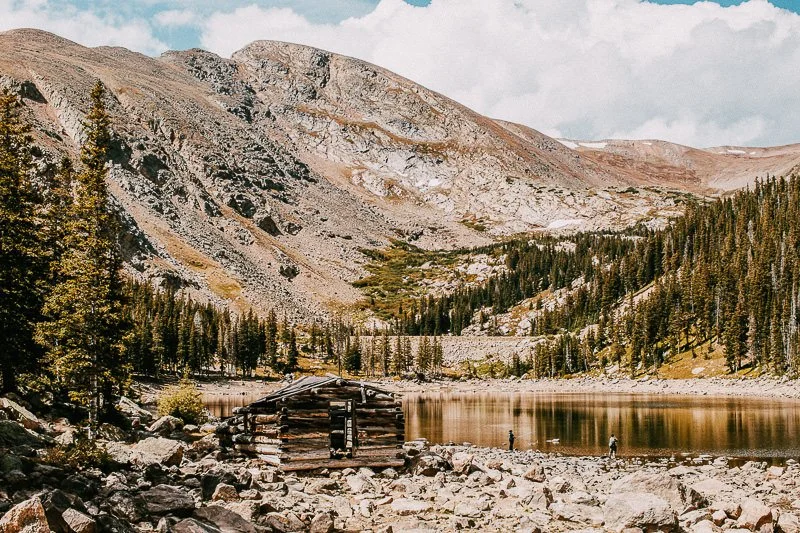
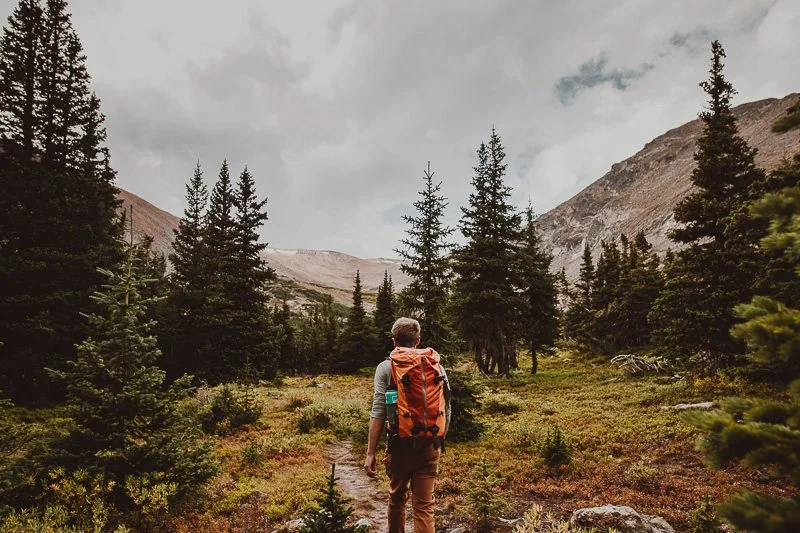
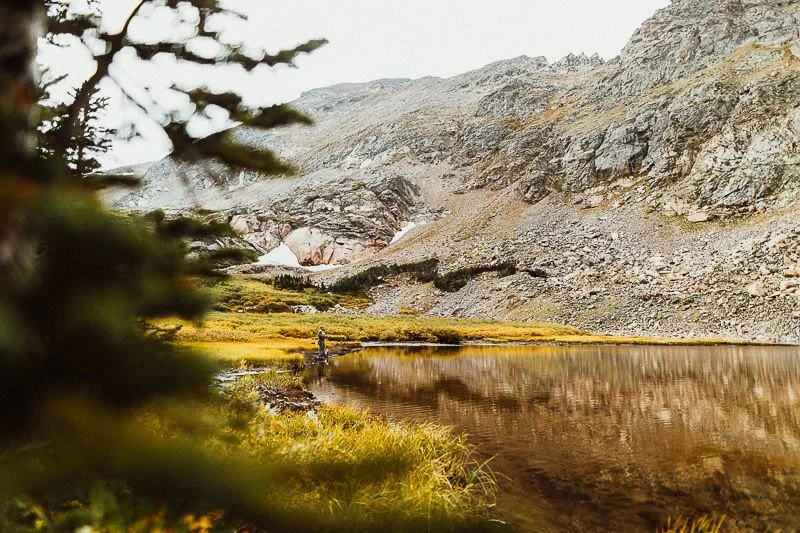
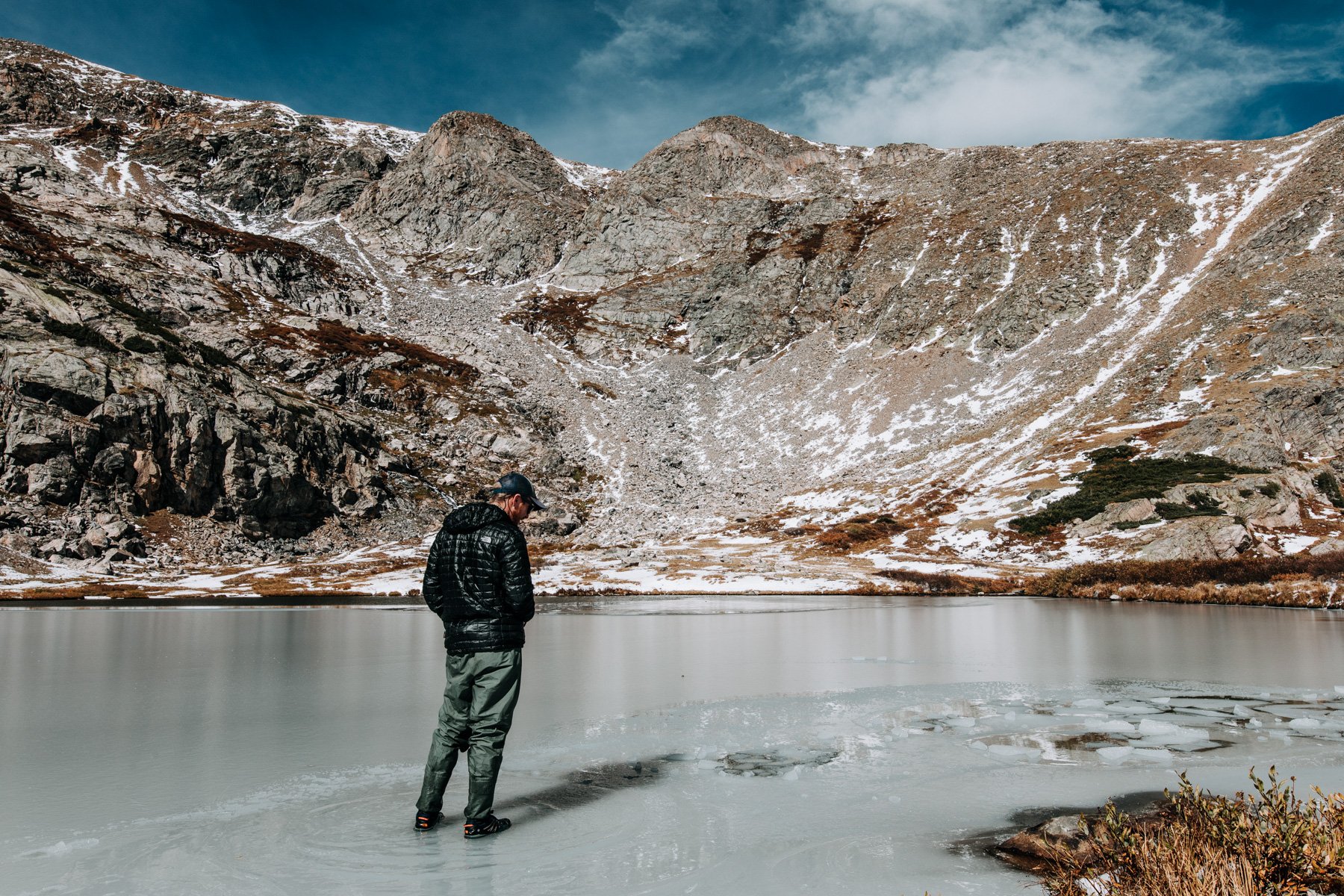
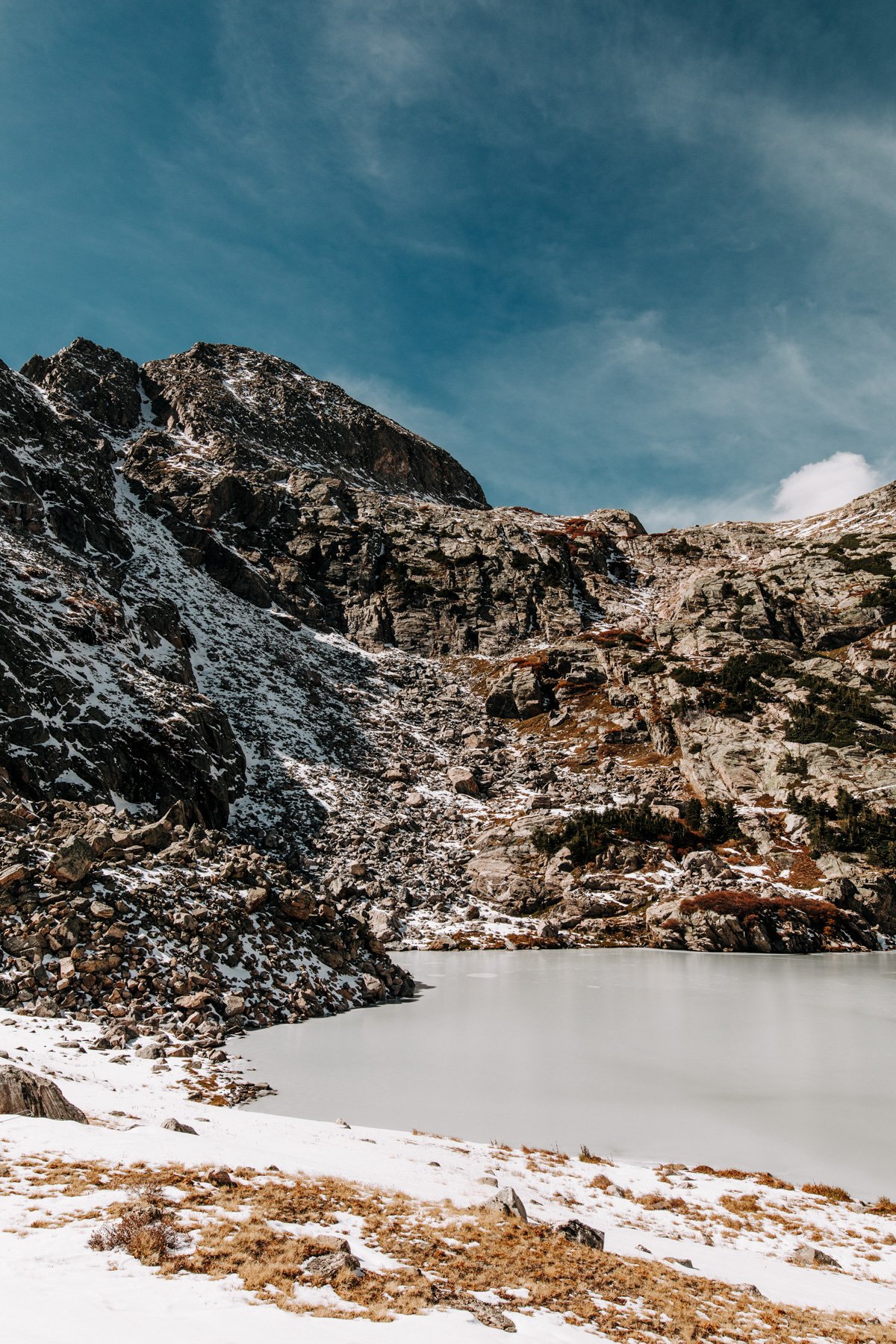
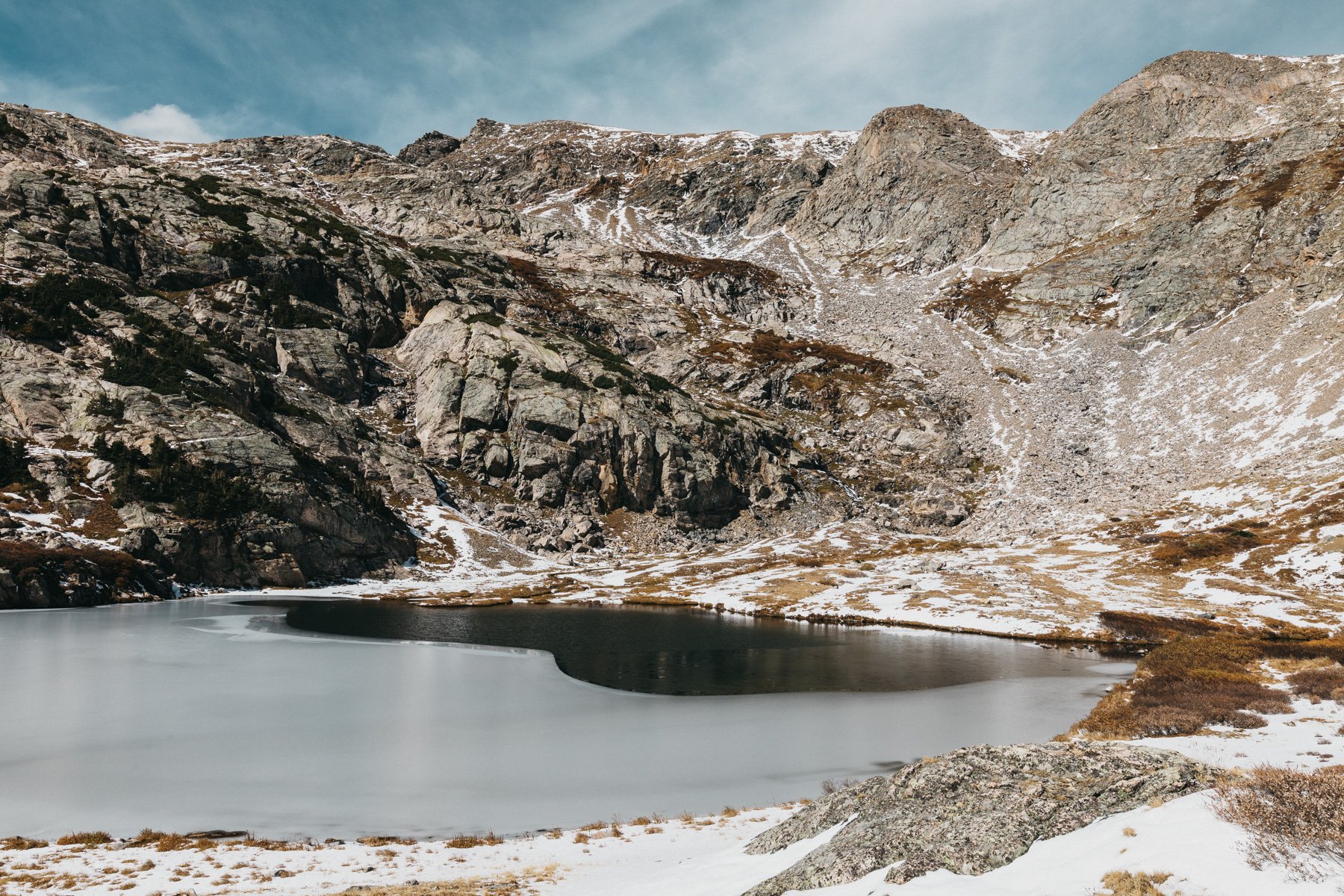
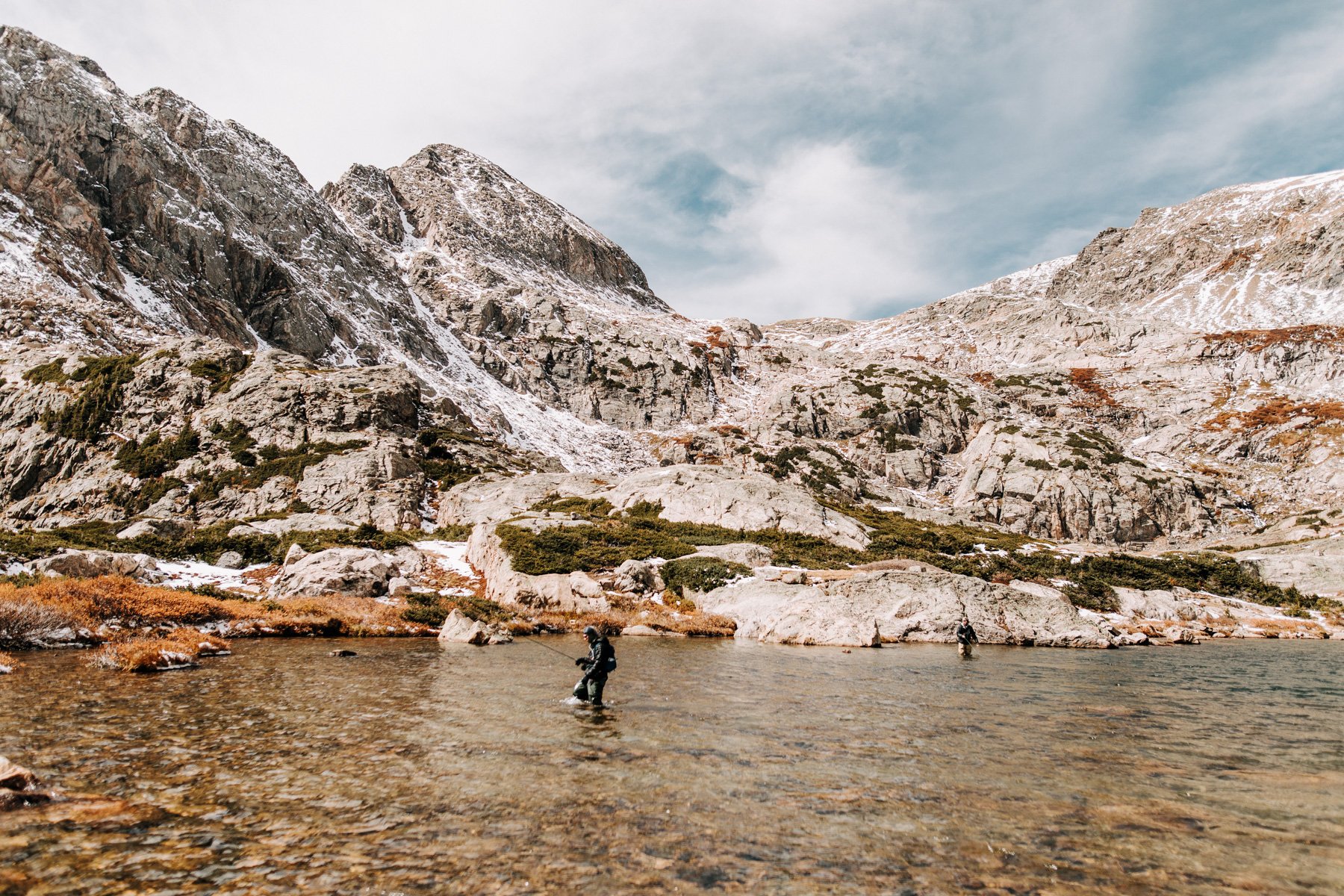
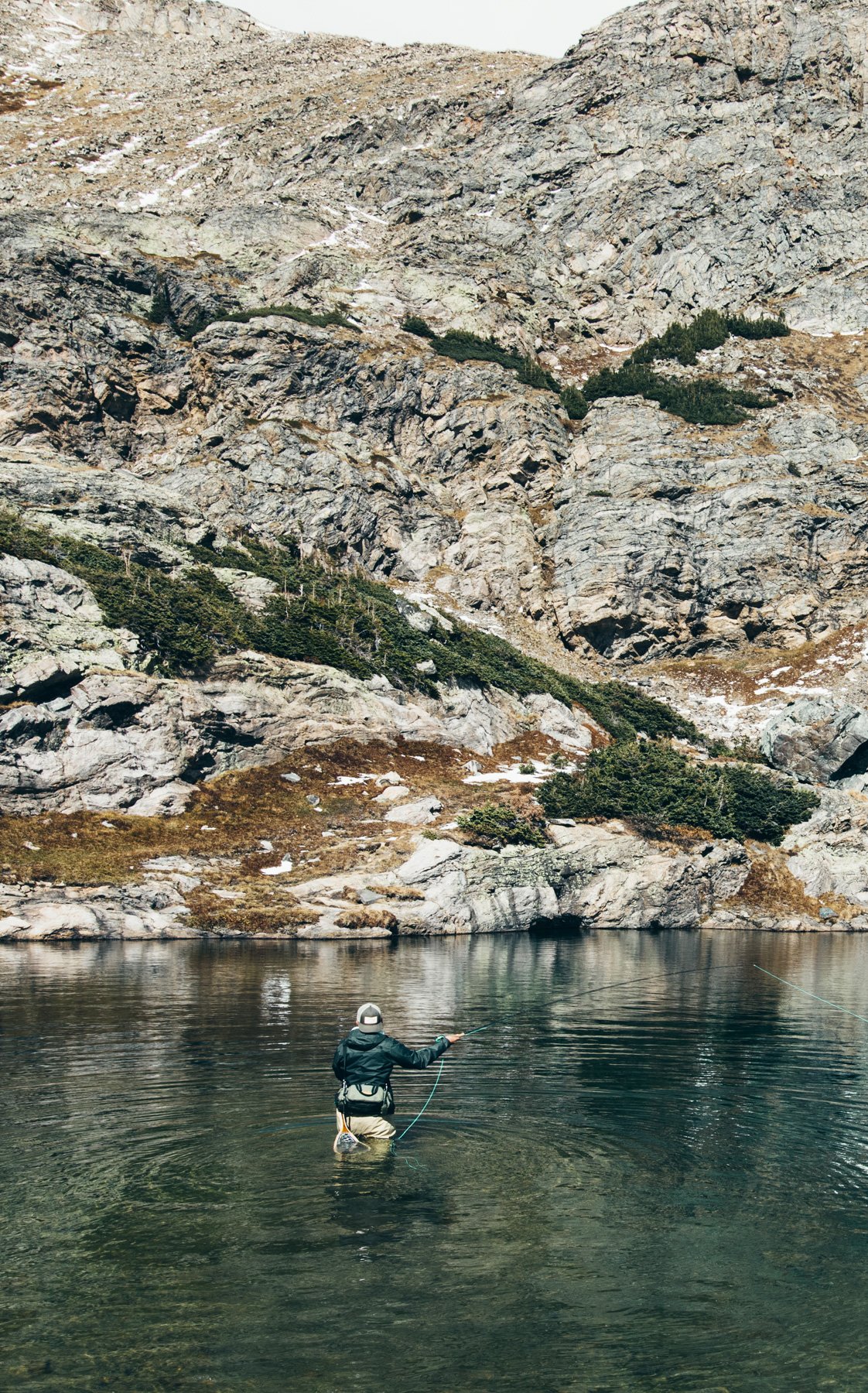
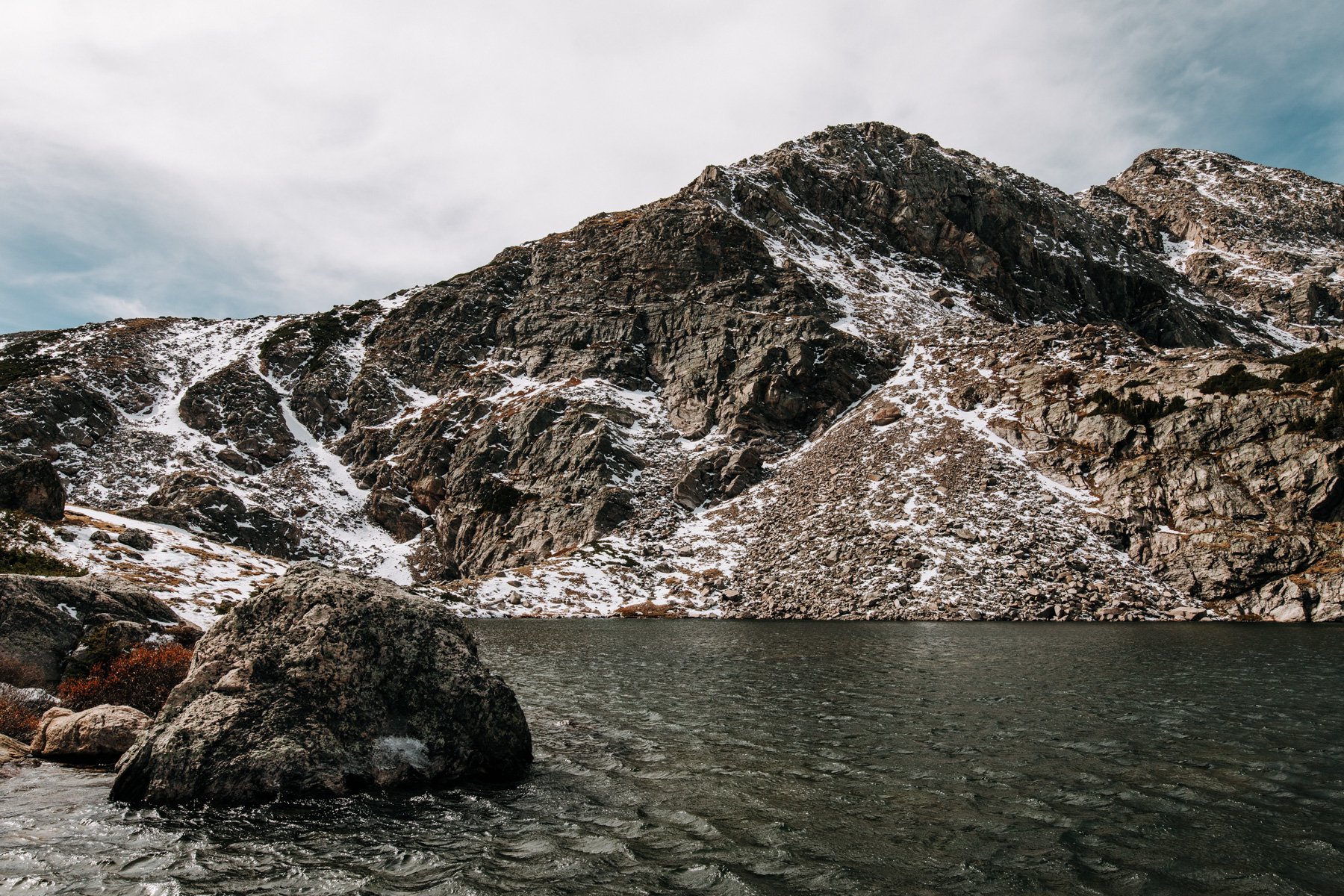
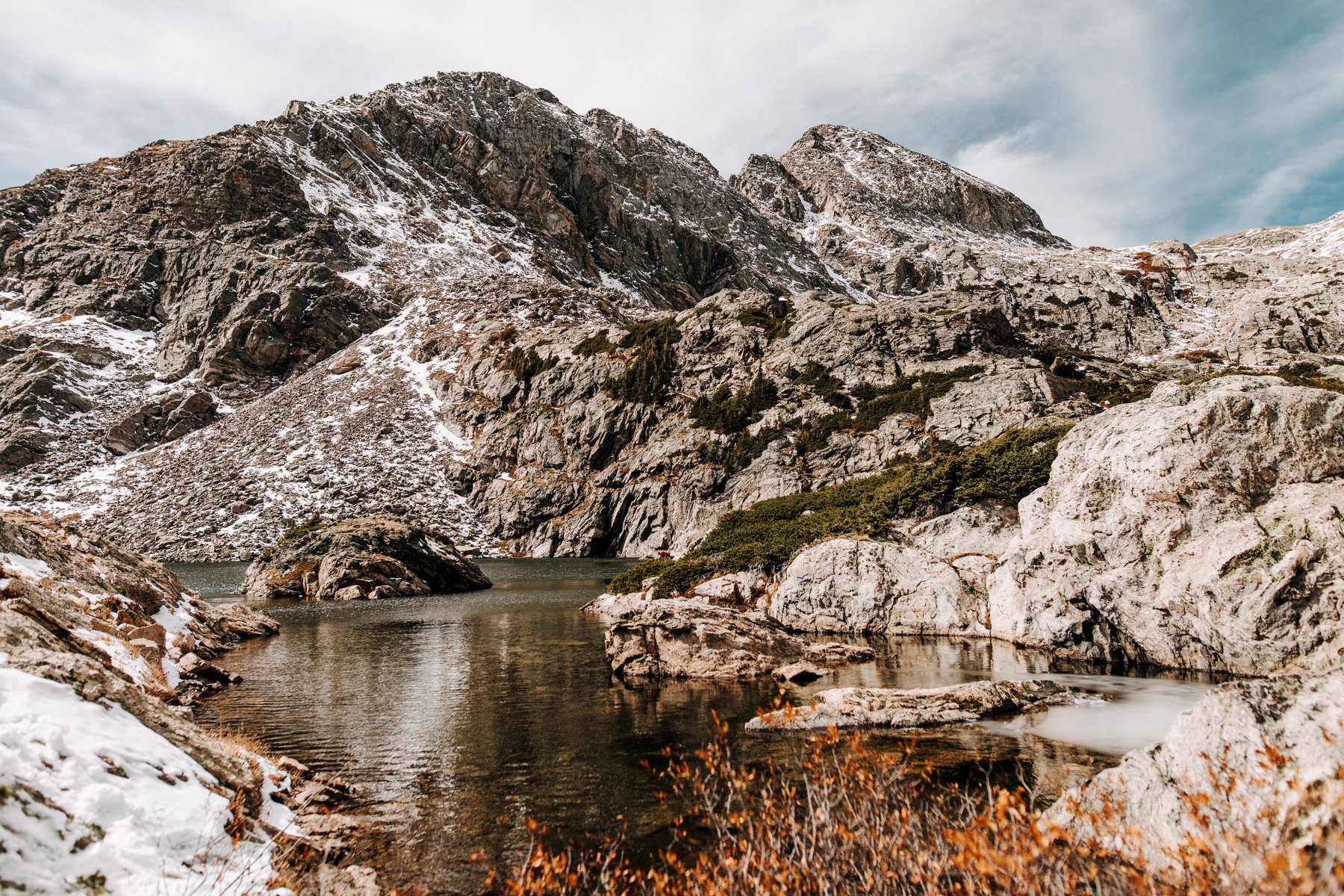
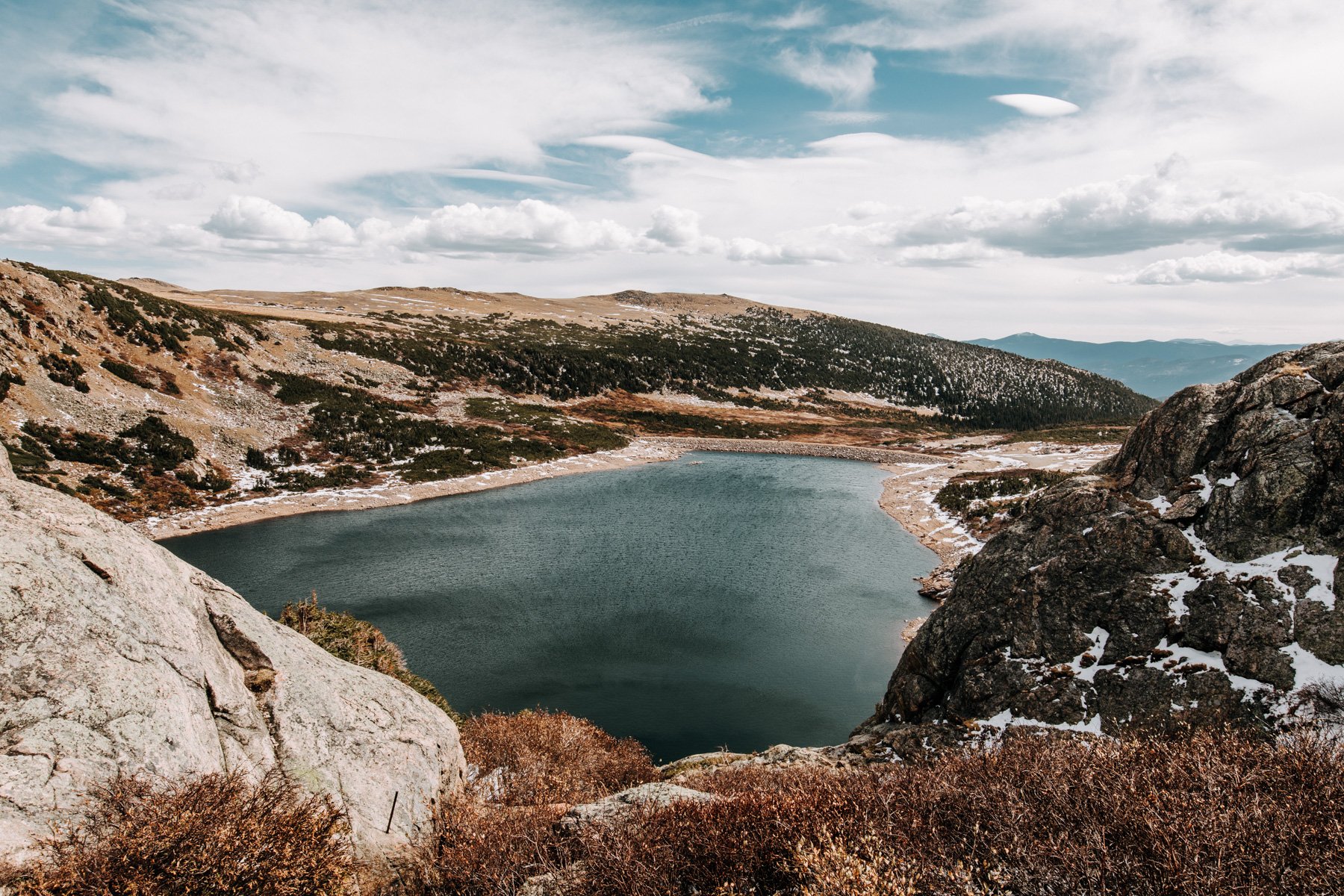
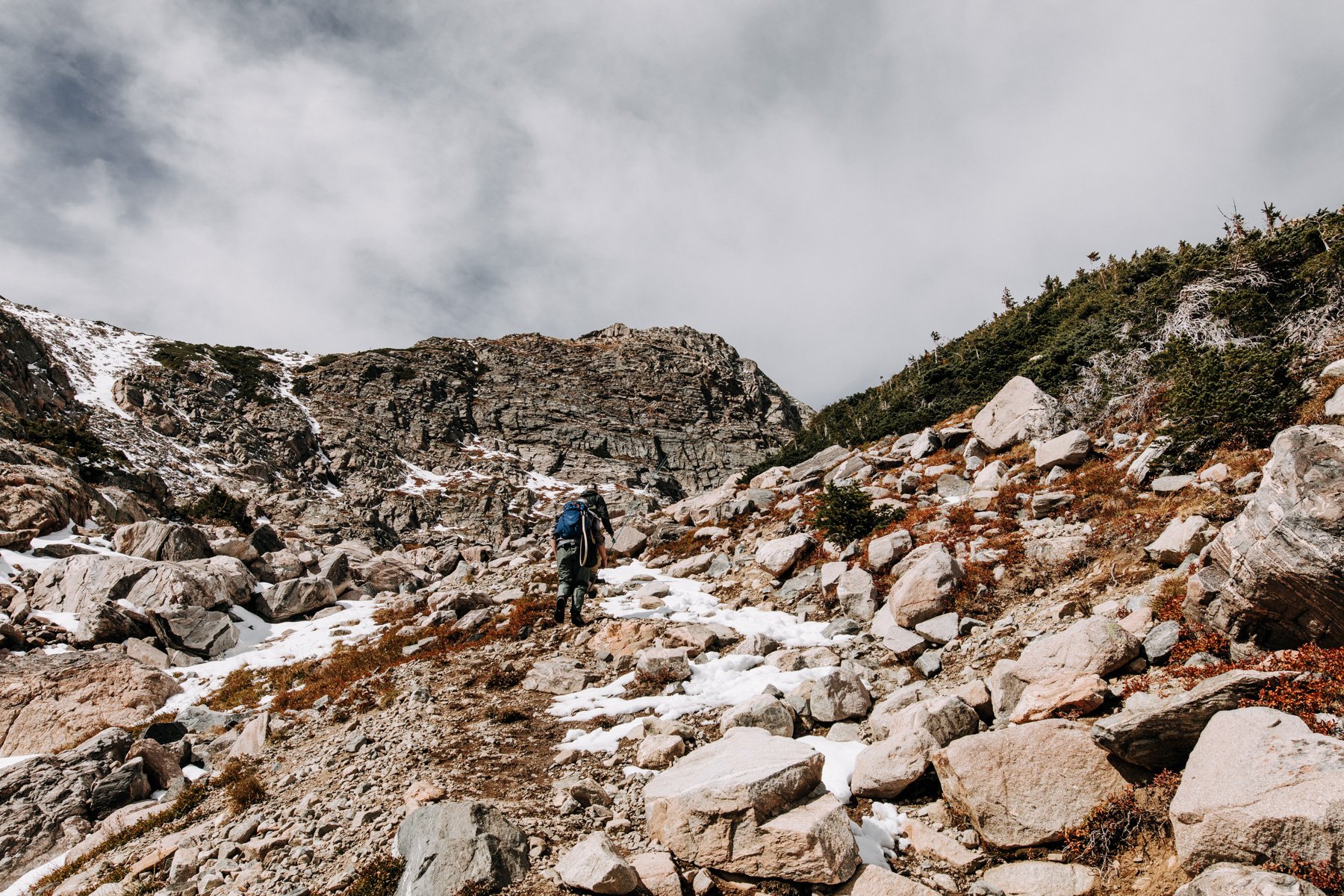
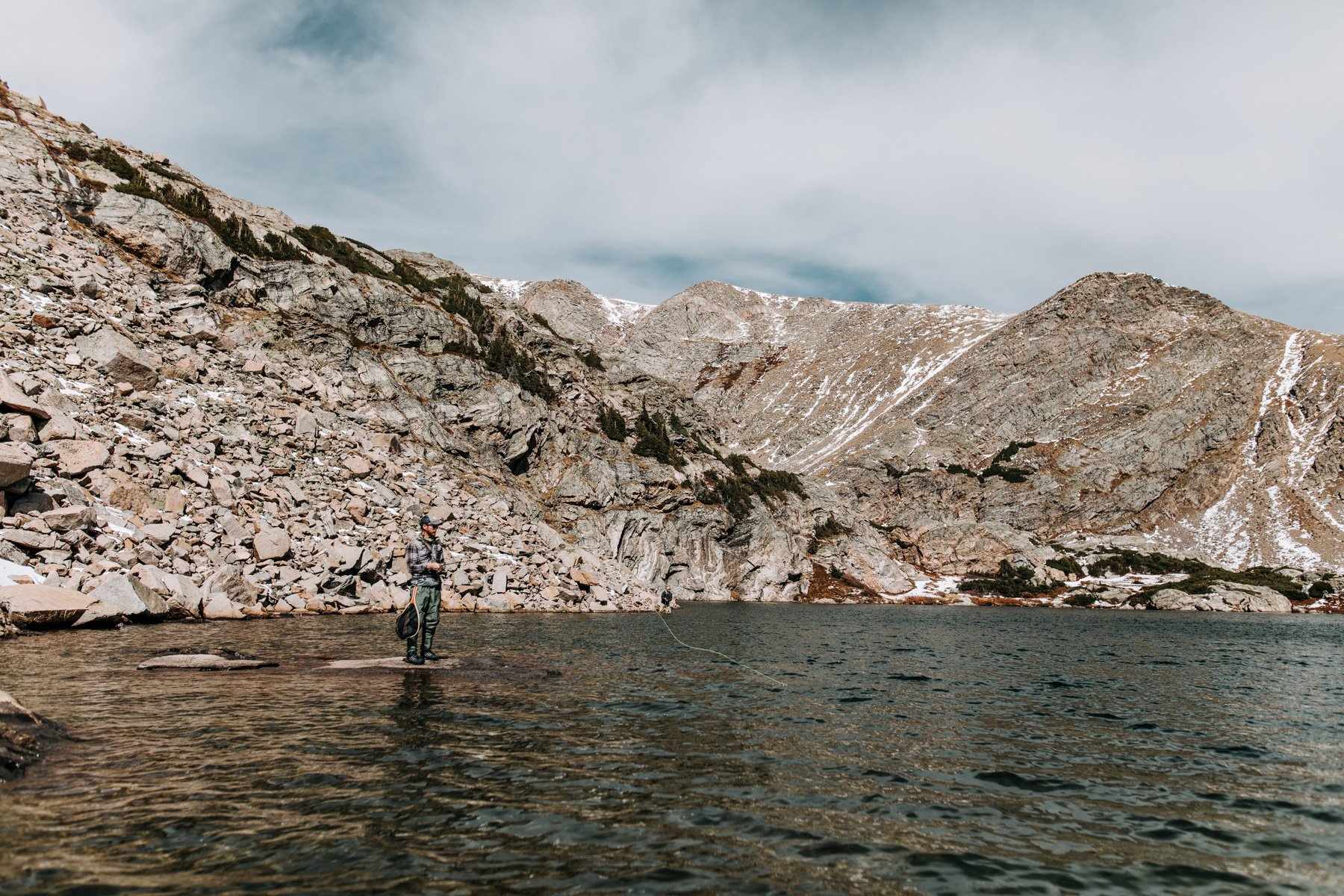
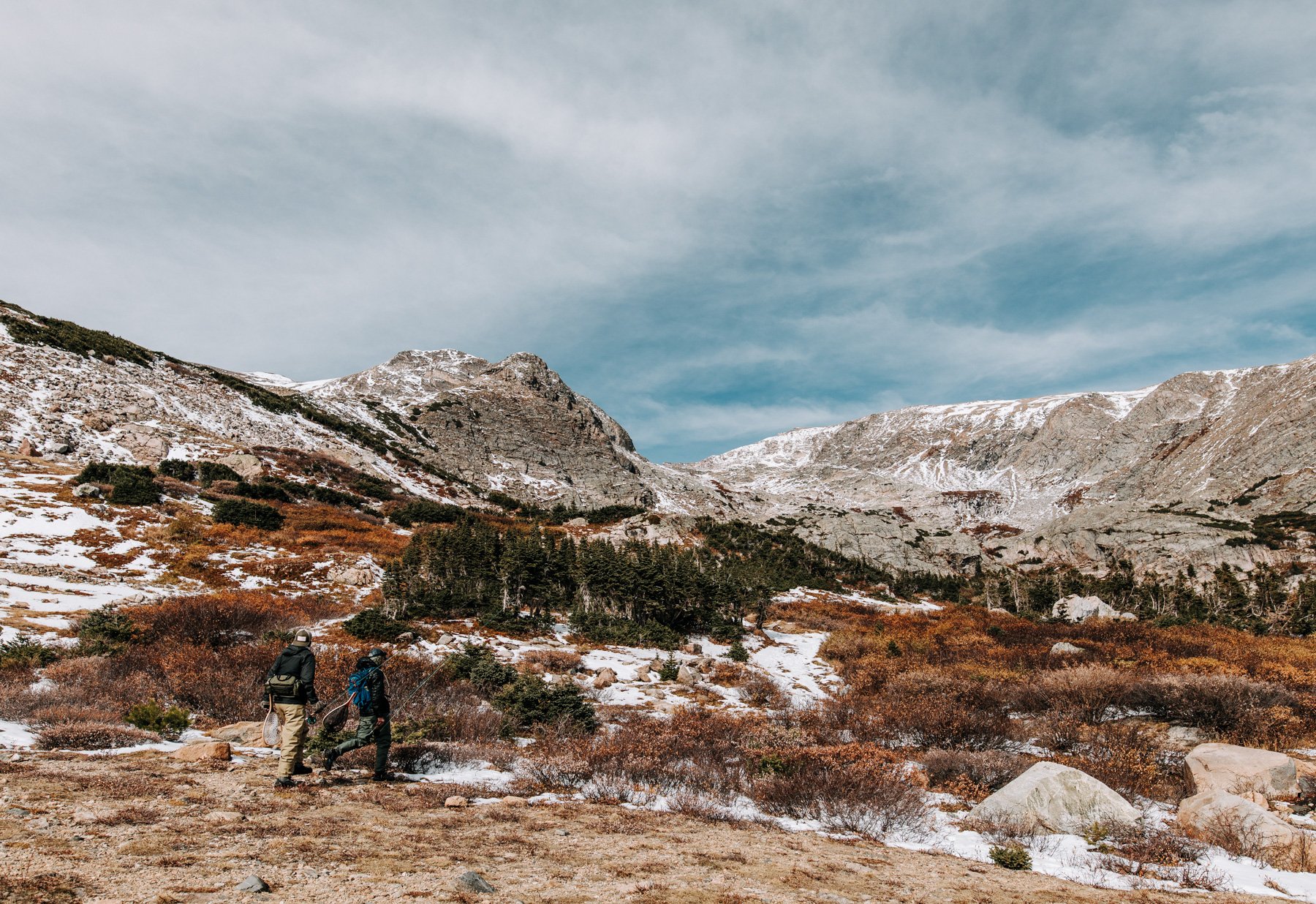
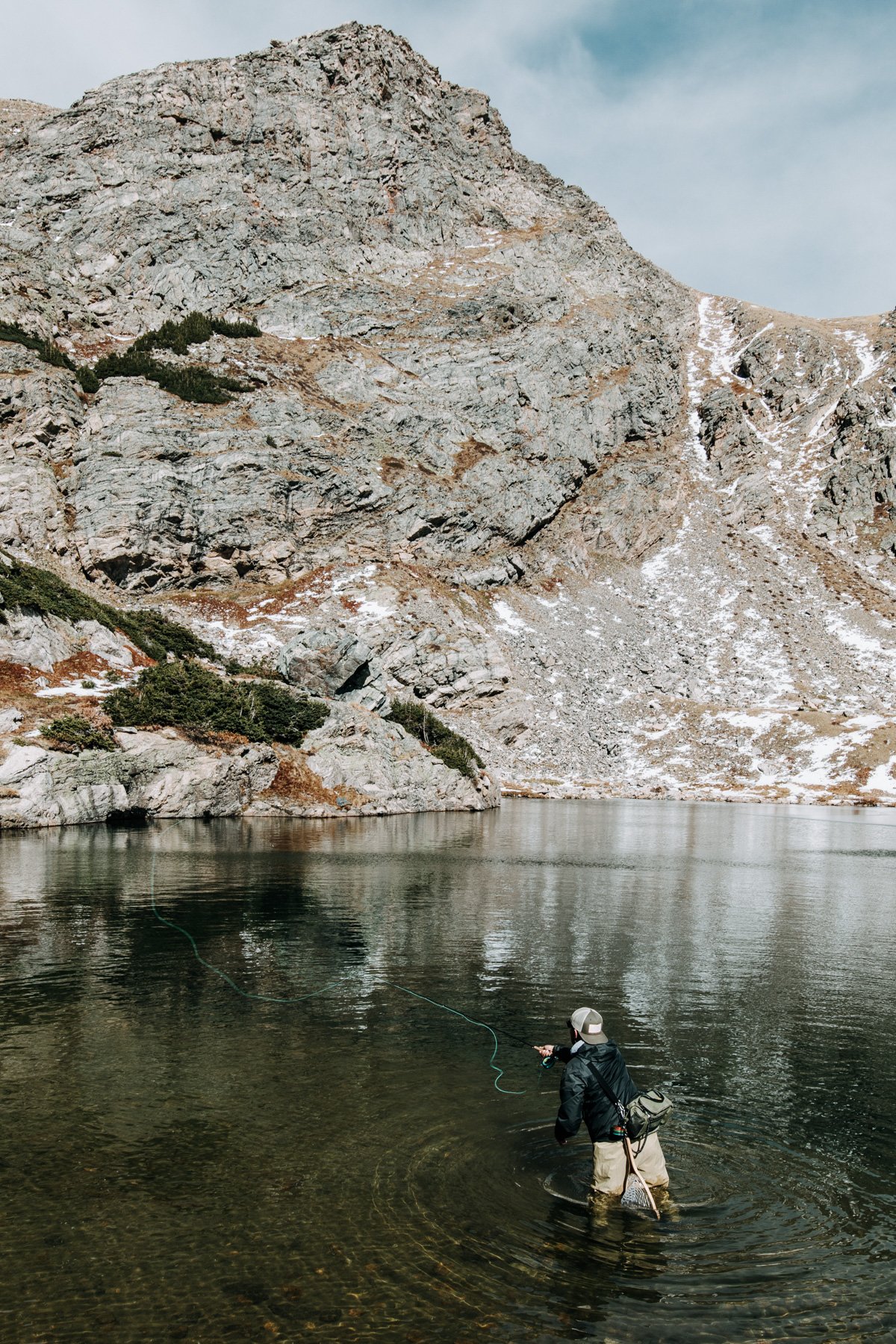
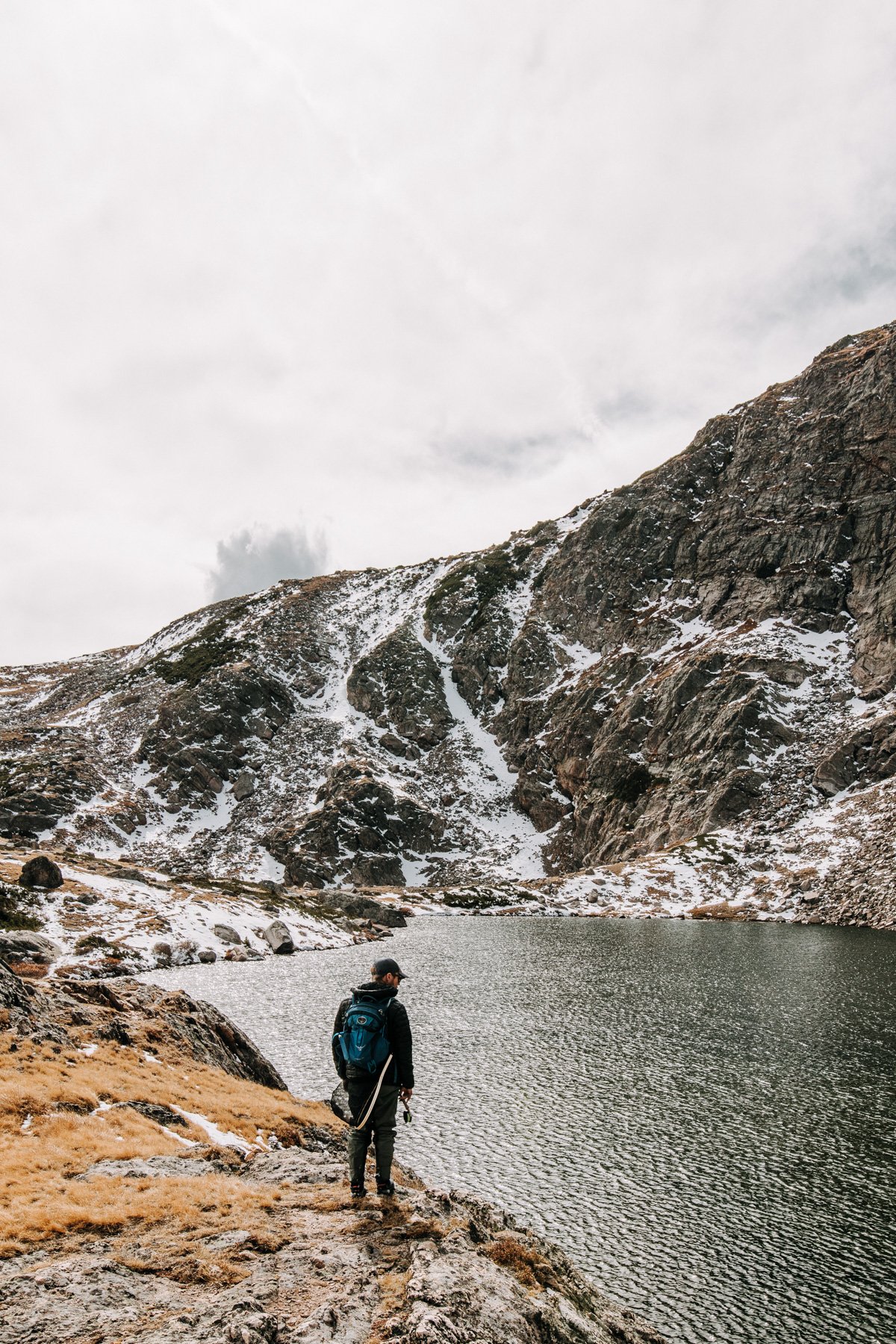
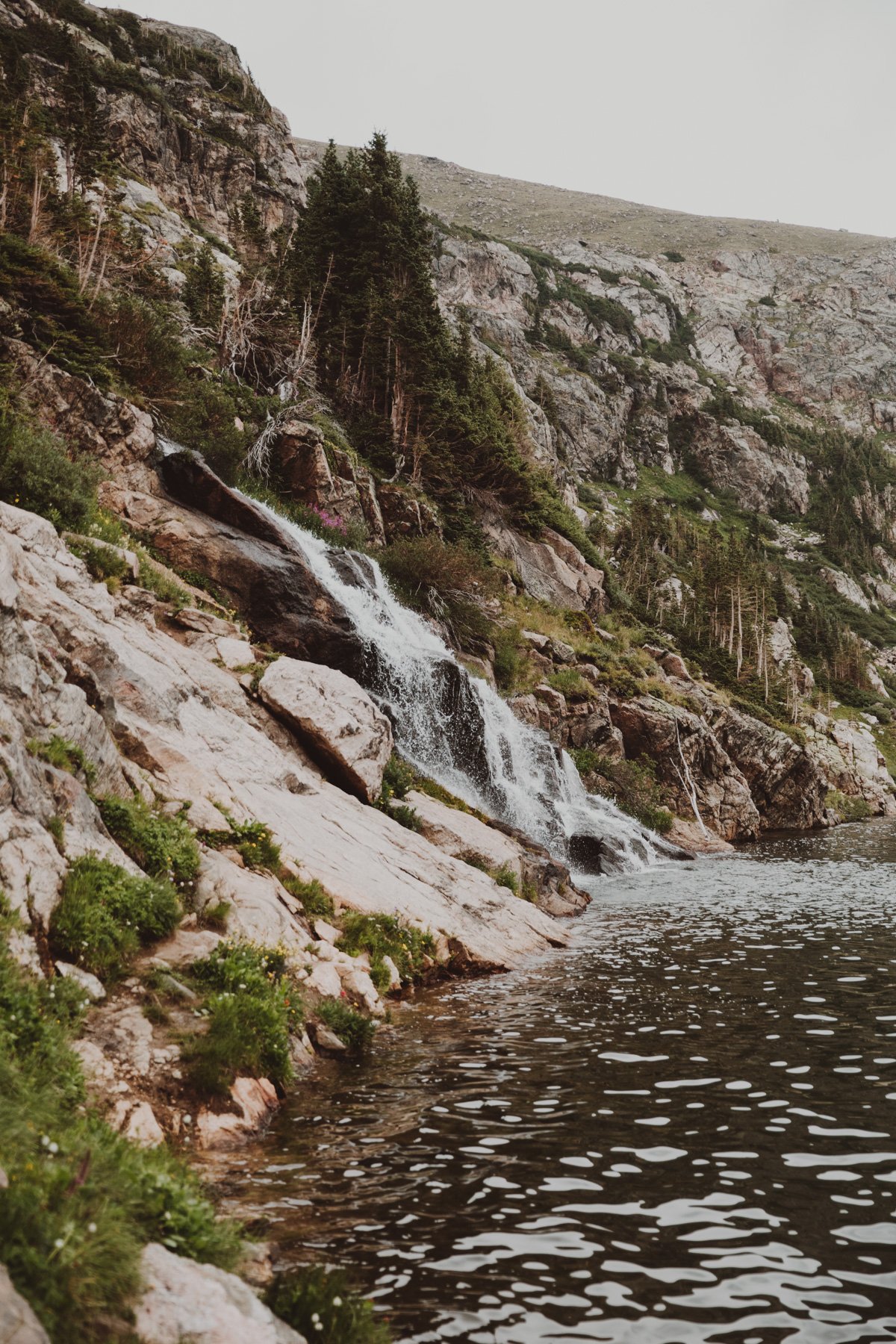
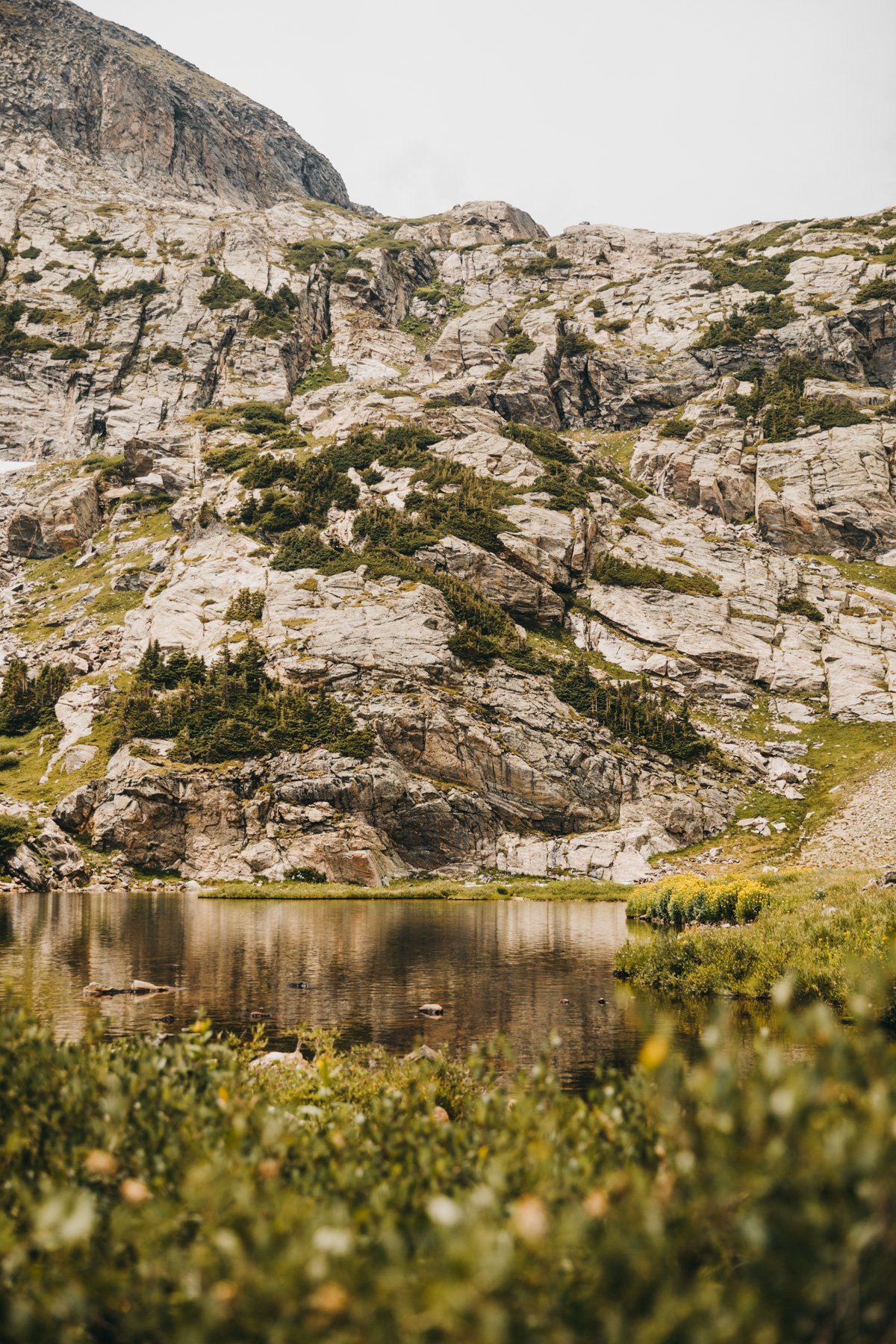
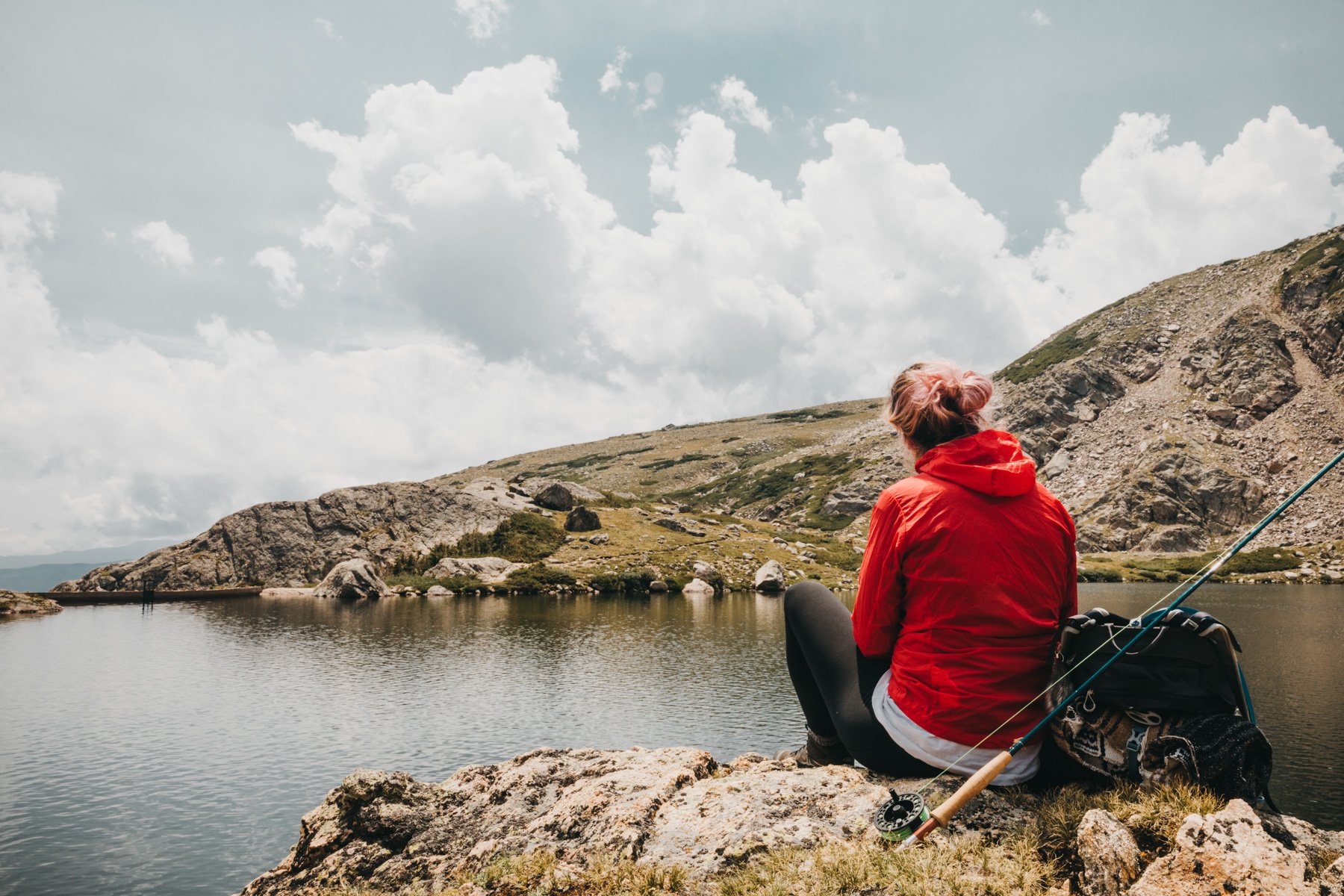
Where my love with alpine lakes began. Loch Lomond is a set of alpine lakes just north of Idaho Springs. It’s off of the same main road as Saint Mary’s Glacier, quite possibly one of the busiest trails close to Denver. Loch Lomond however is hardly ever busy, especially if you go when the road is still closed. Beware in the late summer around July 15th the forest service opens the road so there is a lot of 4x4 traffic but if you can get here before, its a relatively easy hike up a jeep road.
The Loch has the lower lake with a waterfall on the far end, or you can follow the trail to the left of the lake as it climbs up over to Stewart Lake and up further to Ohman Lake. The upper lakes are never too busy and I never see more than one or two other groups of people and they are very easy to get to so I recommend seeing them!
Elopement potential:Very high. It's one of my favorite low key suggestions for couples who want seclusion without a big production. The lower lake with the waterfall makes a beautiful ceremony backdrop, the upper lakes are even more private, and National Forest land means no permit required. Dogs welcome. Charcuterie boards encouraged.
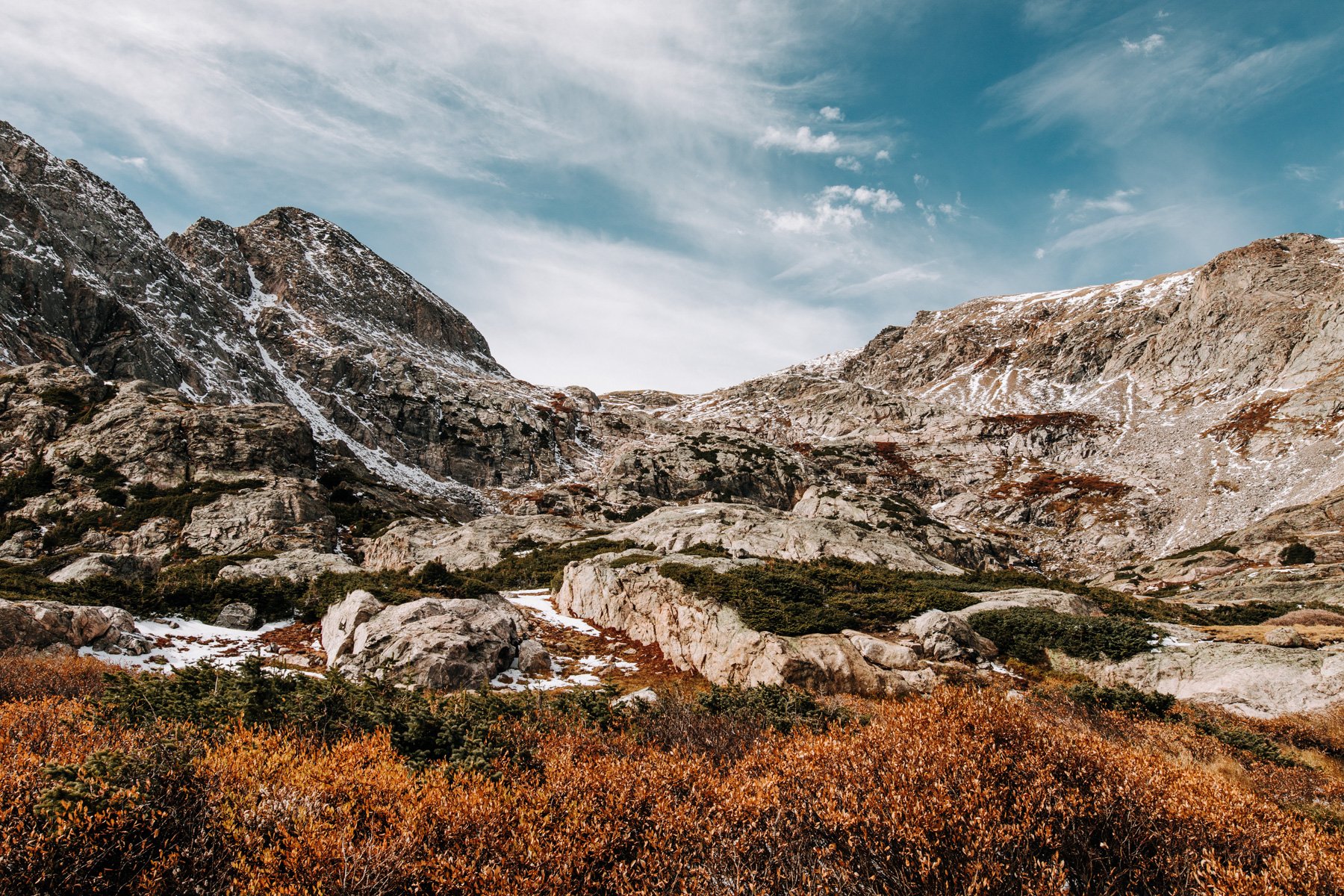
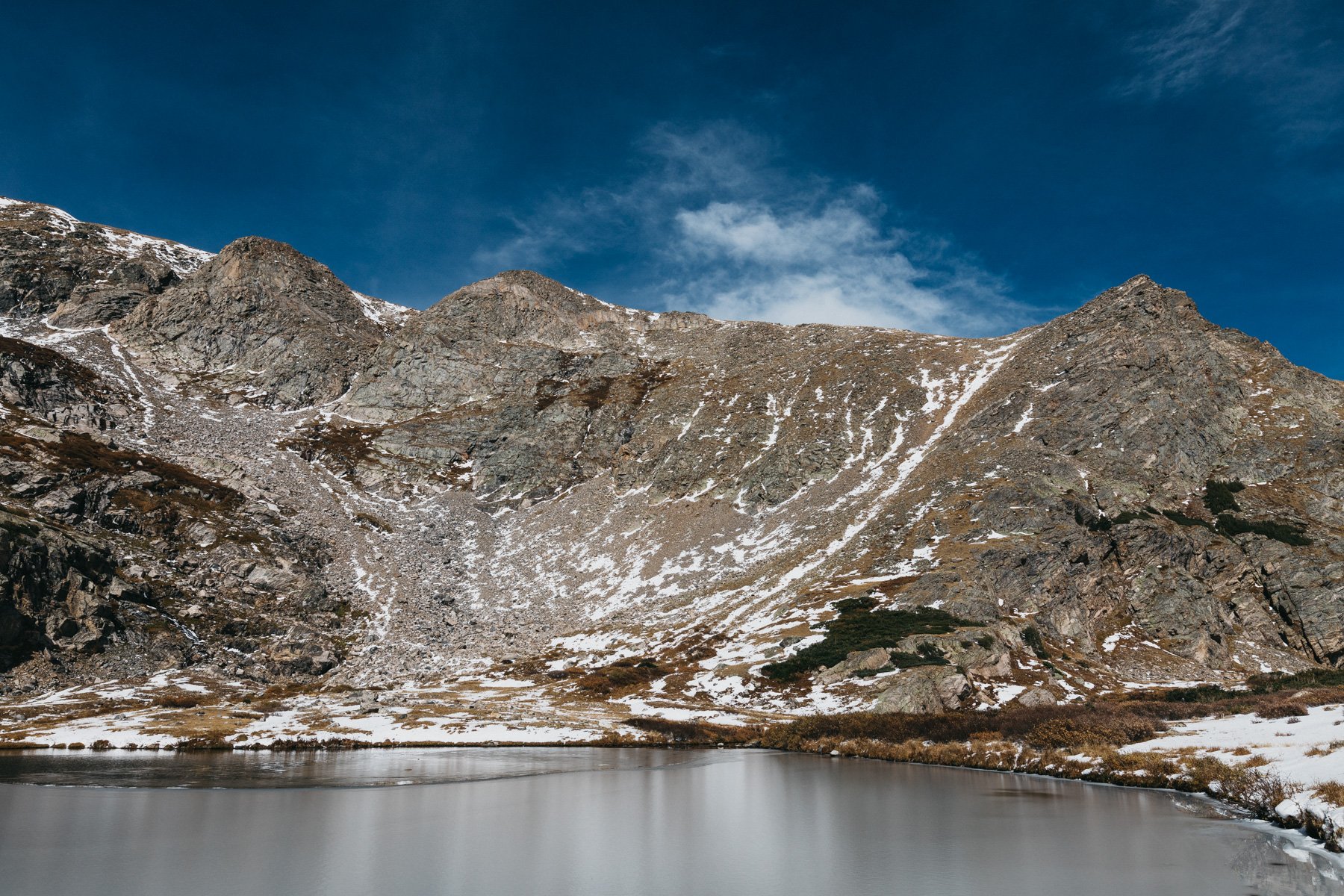
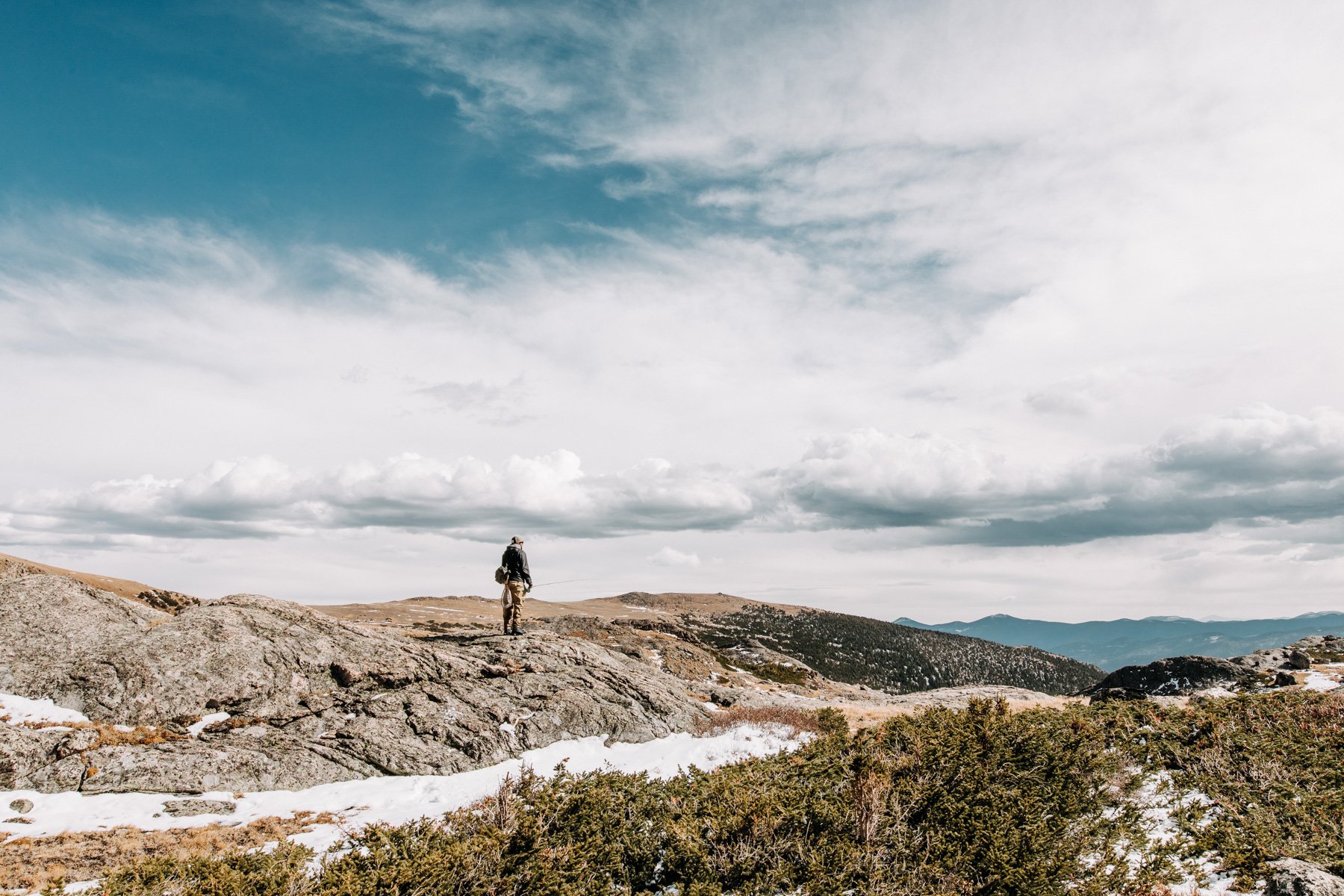
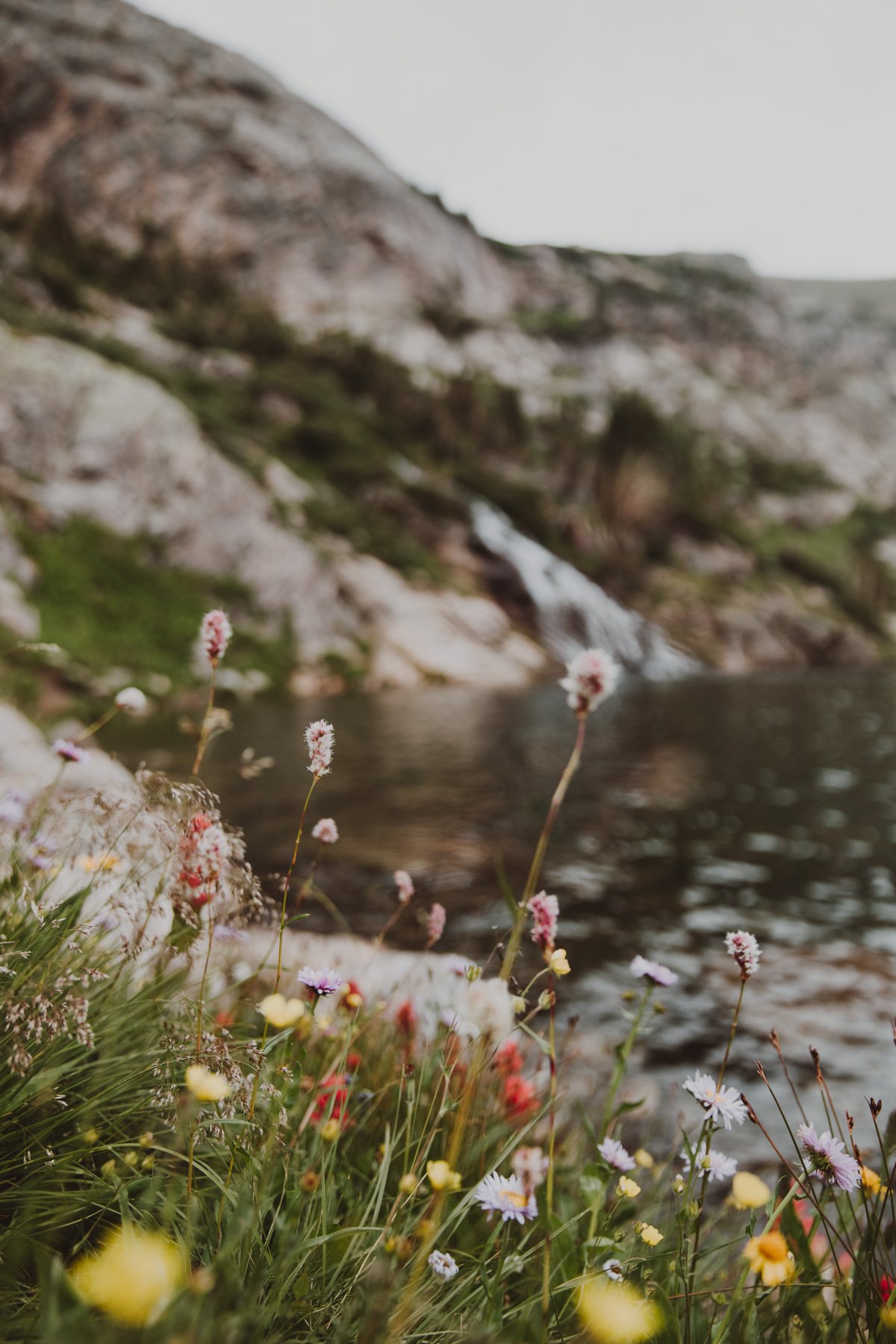
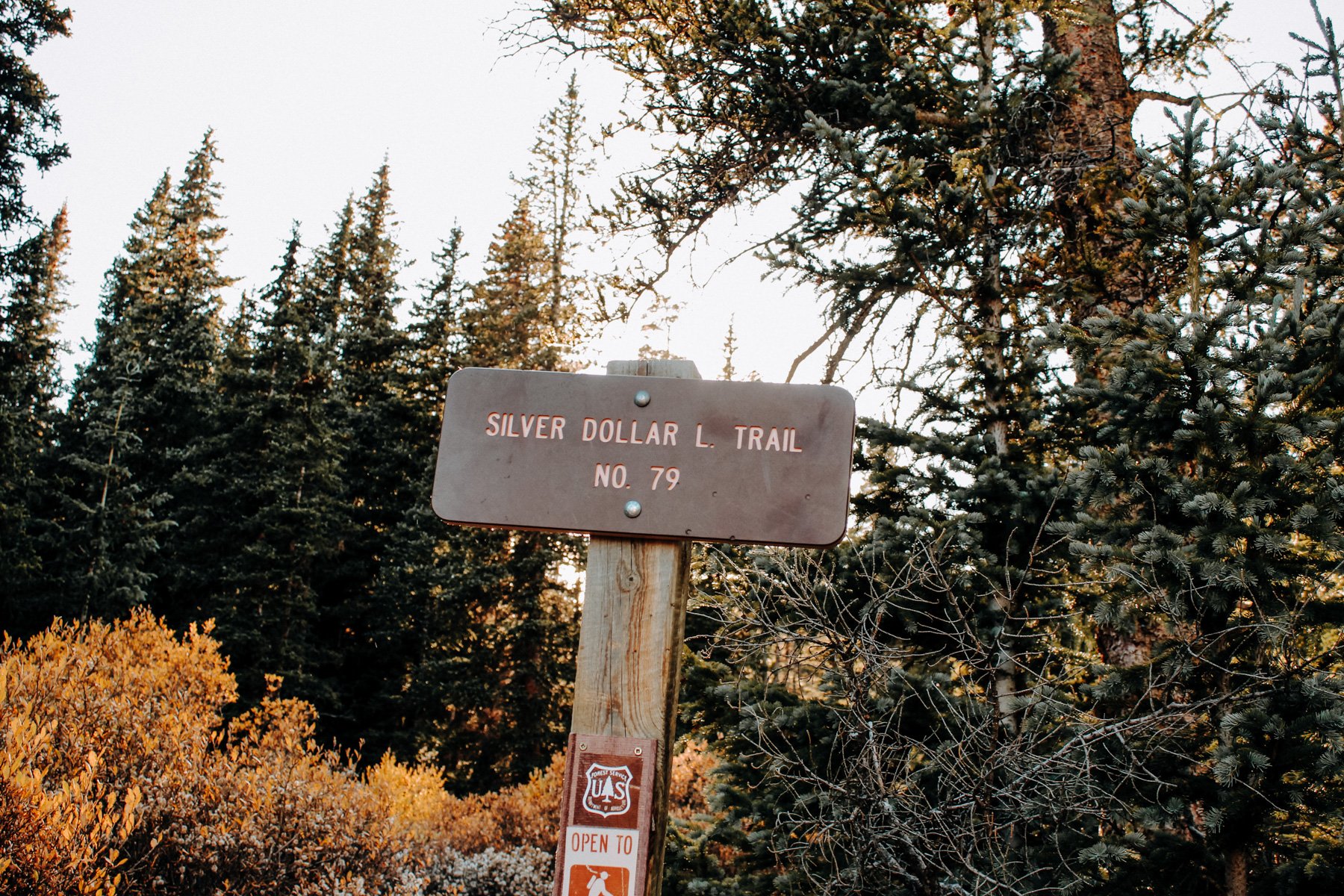
2. Silver Dollar Lake, Arapaho NF 3.2 miles RT 774 feet elevation gain
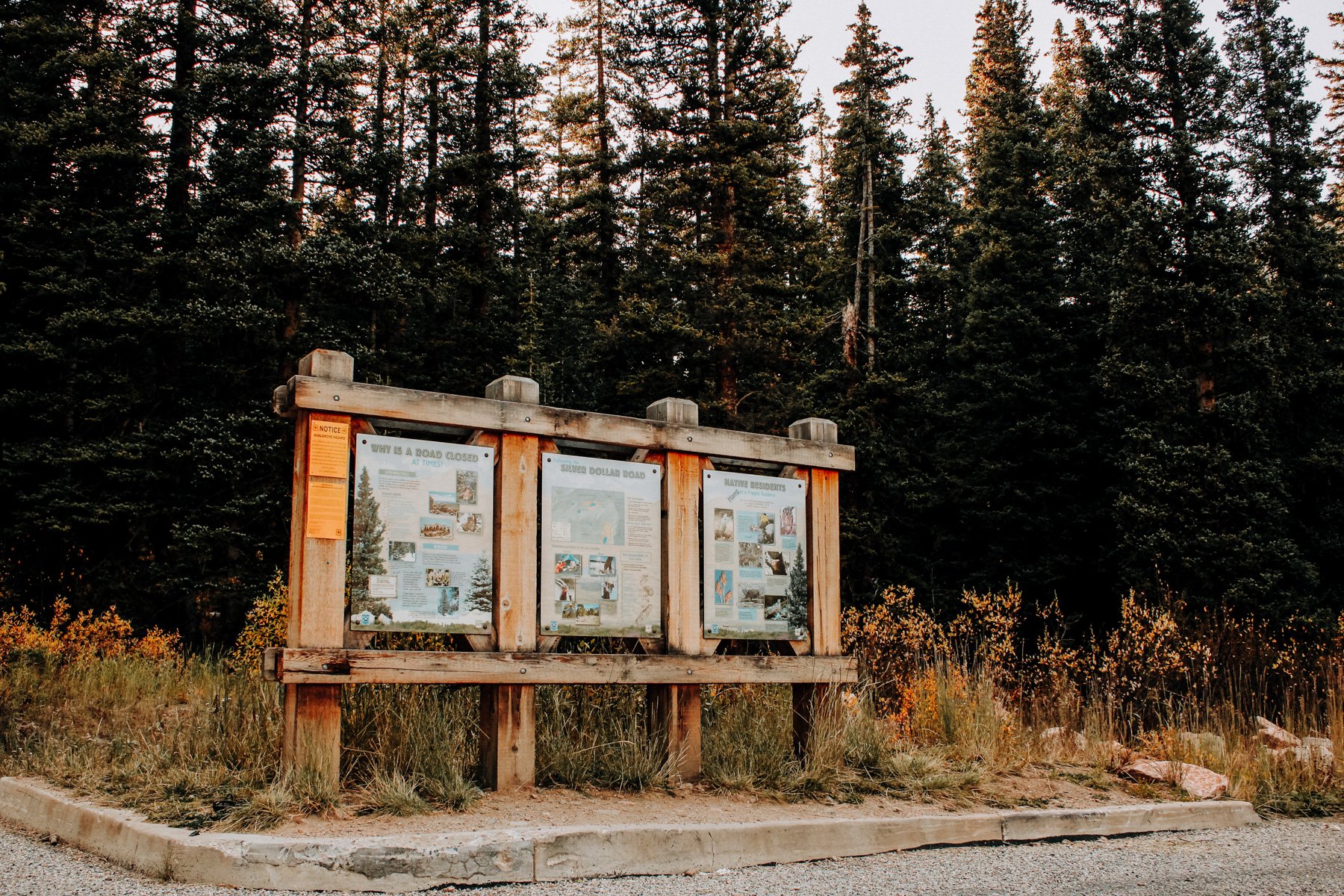
This is the first alpine lake I ever hiked to in Colorado! Off of Guanella Pass, Silver Dollar lake is a great hike in the summer and fall as the foliage changes colors! You’ll need 4x4 to get to the trailhead as you turn off Guanella Pass, otherwise you’ll add another mile and 400+ foot gain (as of 2020 I believe this road is now closed to parking so you will not need 4x4 and will instead need to park at the trailhead where the road is still paved). You’ll slowly climb to the left of a lake situated in the valley, until you reach Silver Dollar Lake. You can continue on to Murray Lake for another .6 miles and 300 foot gain.
Elopement potential:Good. The fall color here is genuinely stunning and fall elopements are underrated in Colorado. Uncrowded, no permit required, dogs welcome. If you're dreaming of golden aspen trees as your ceremony backdrop this one goes on the shortlist.
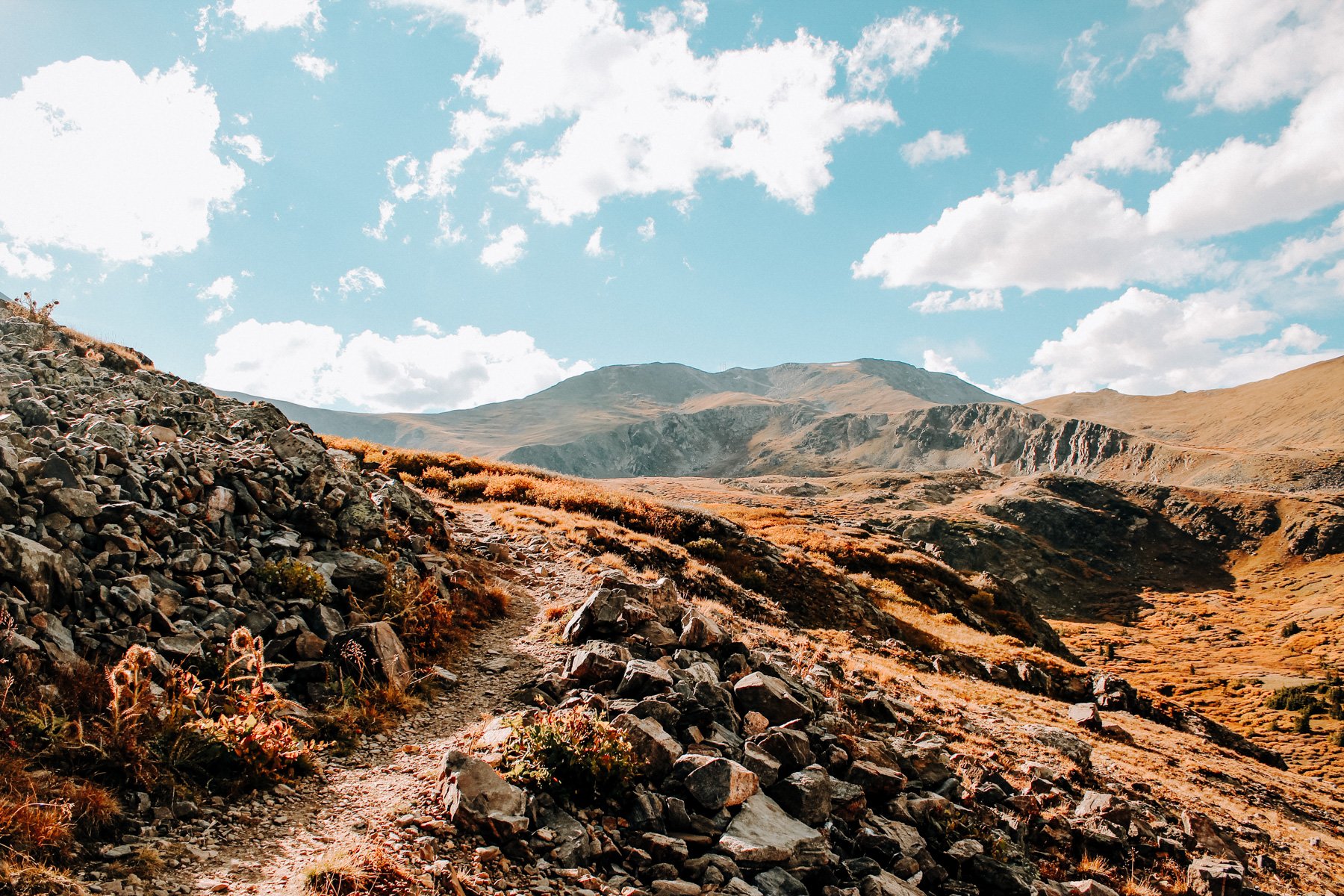
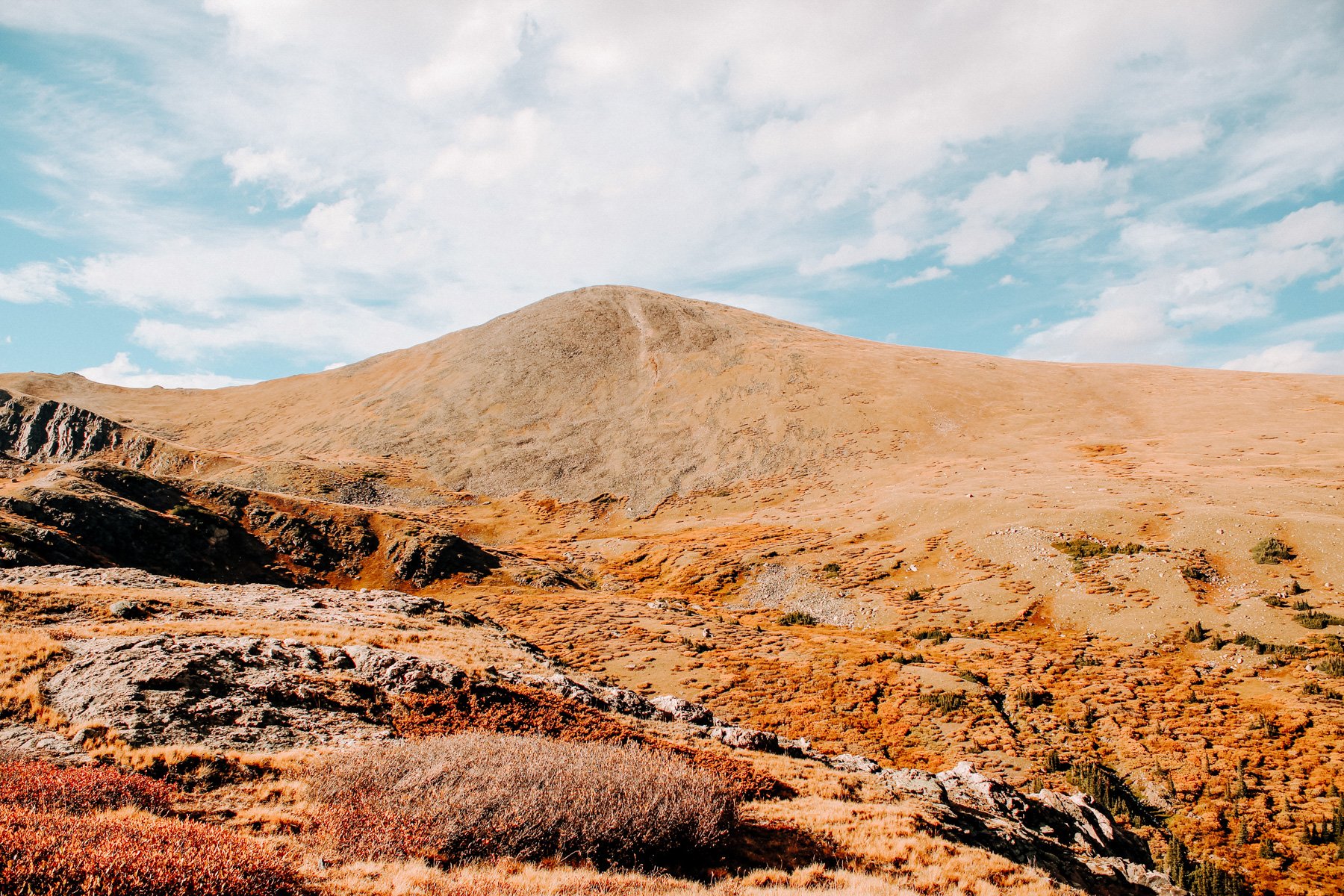
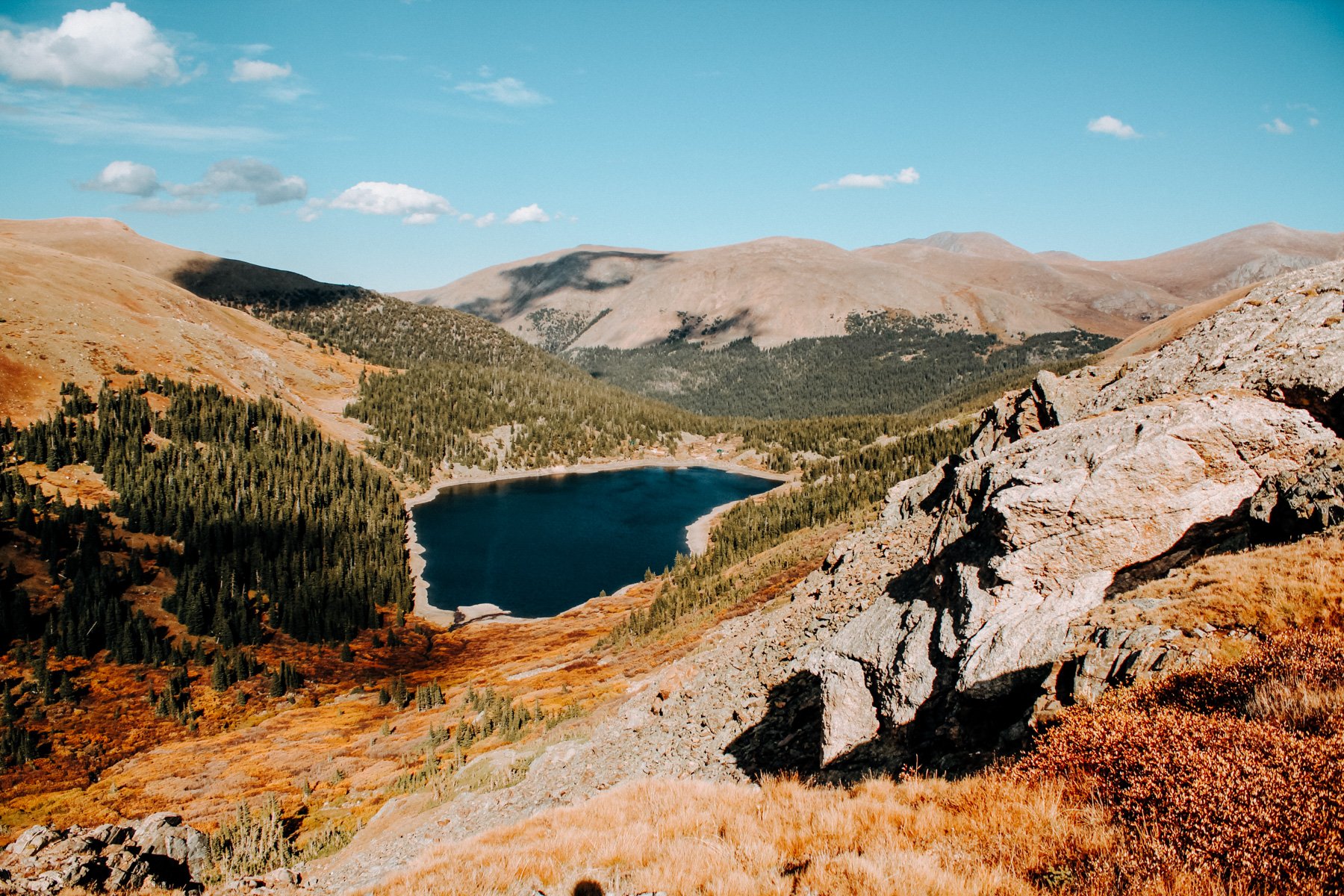
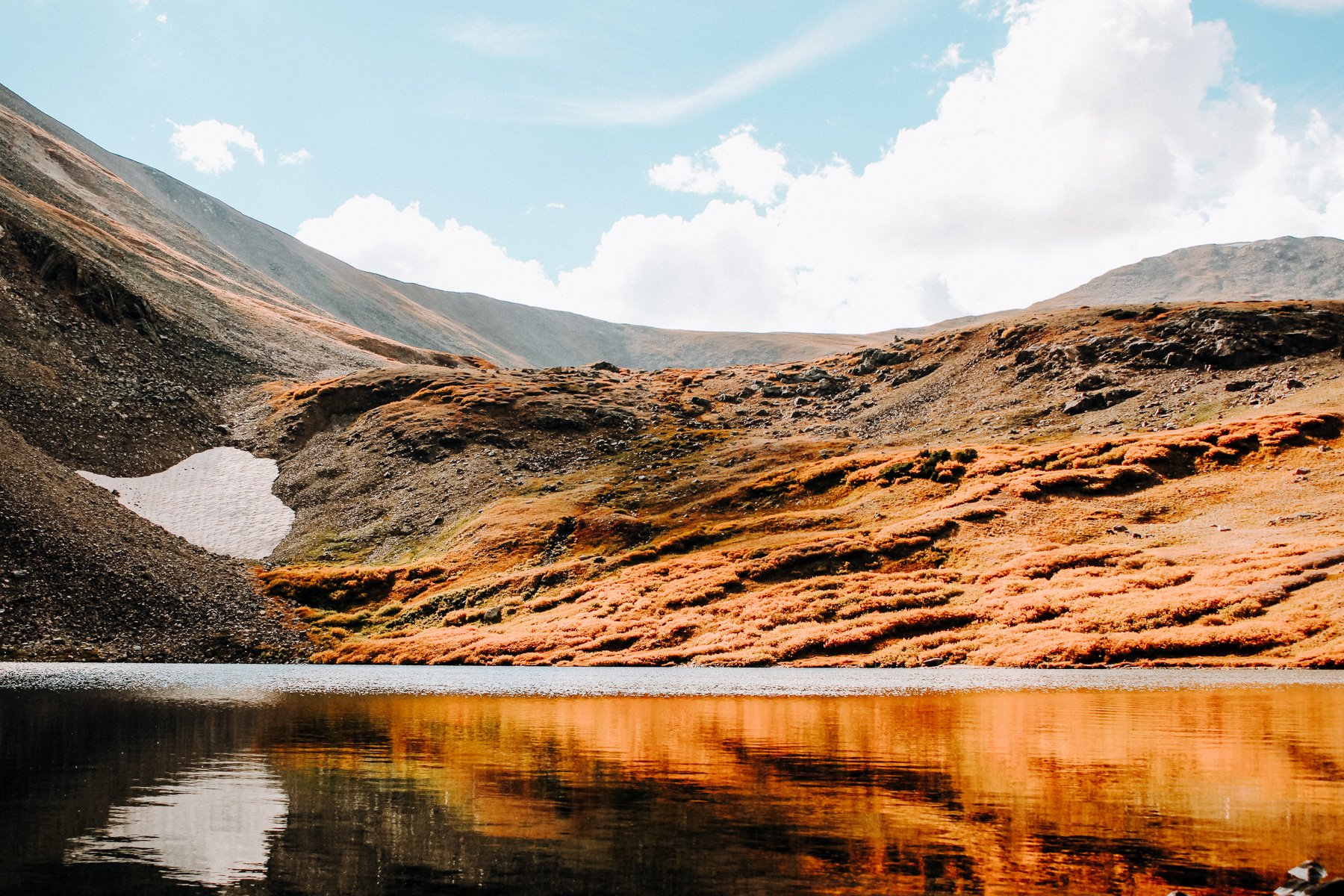
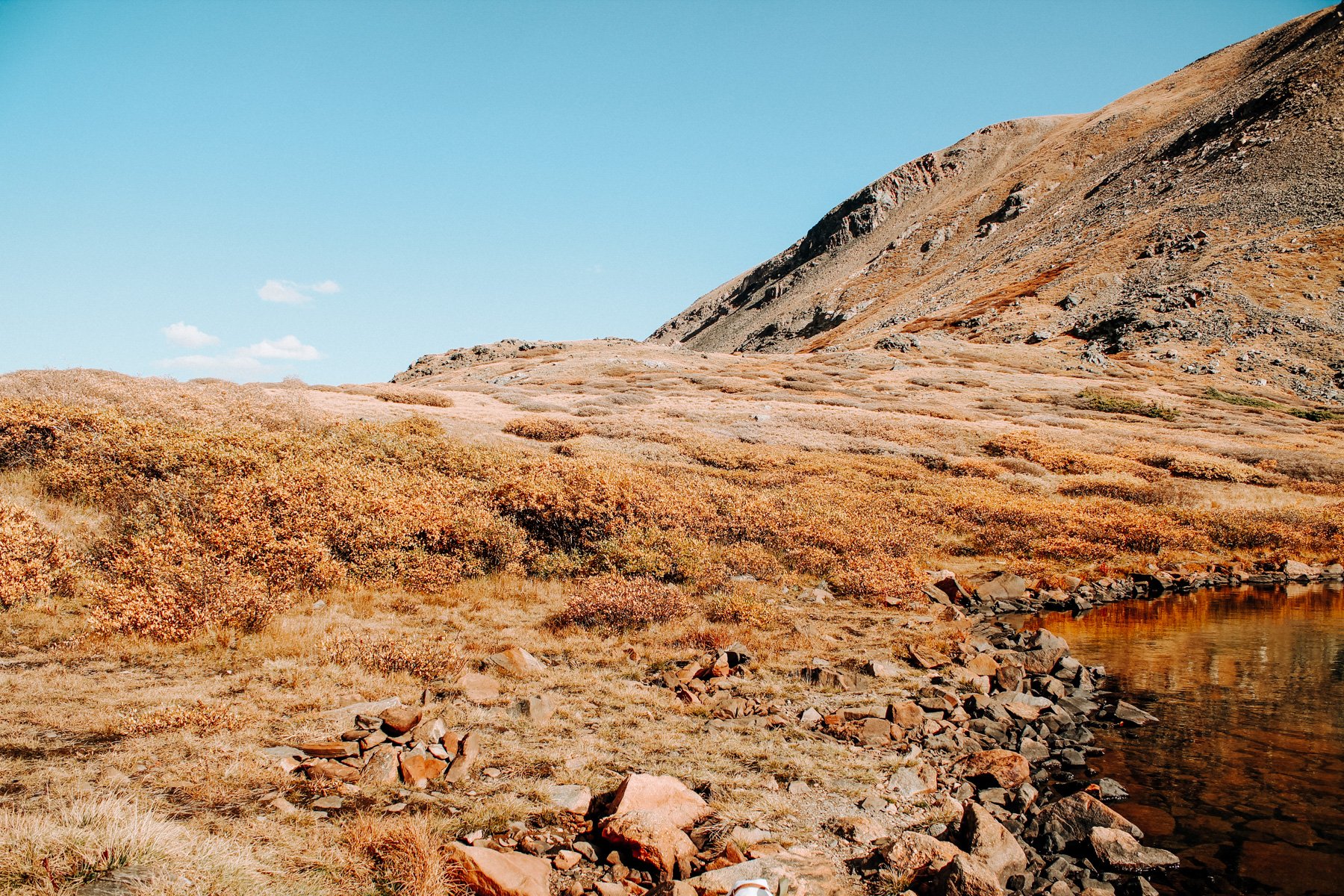
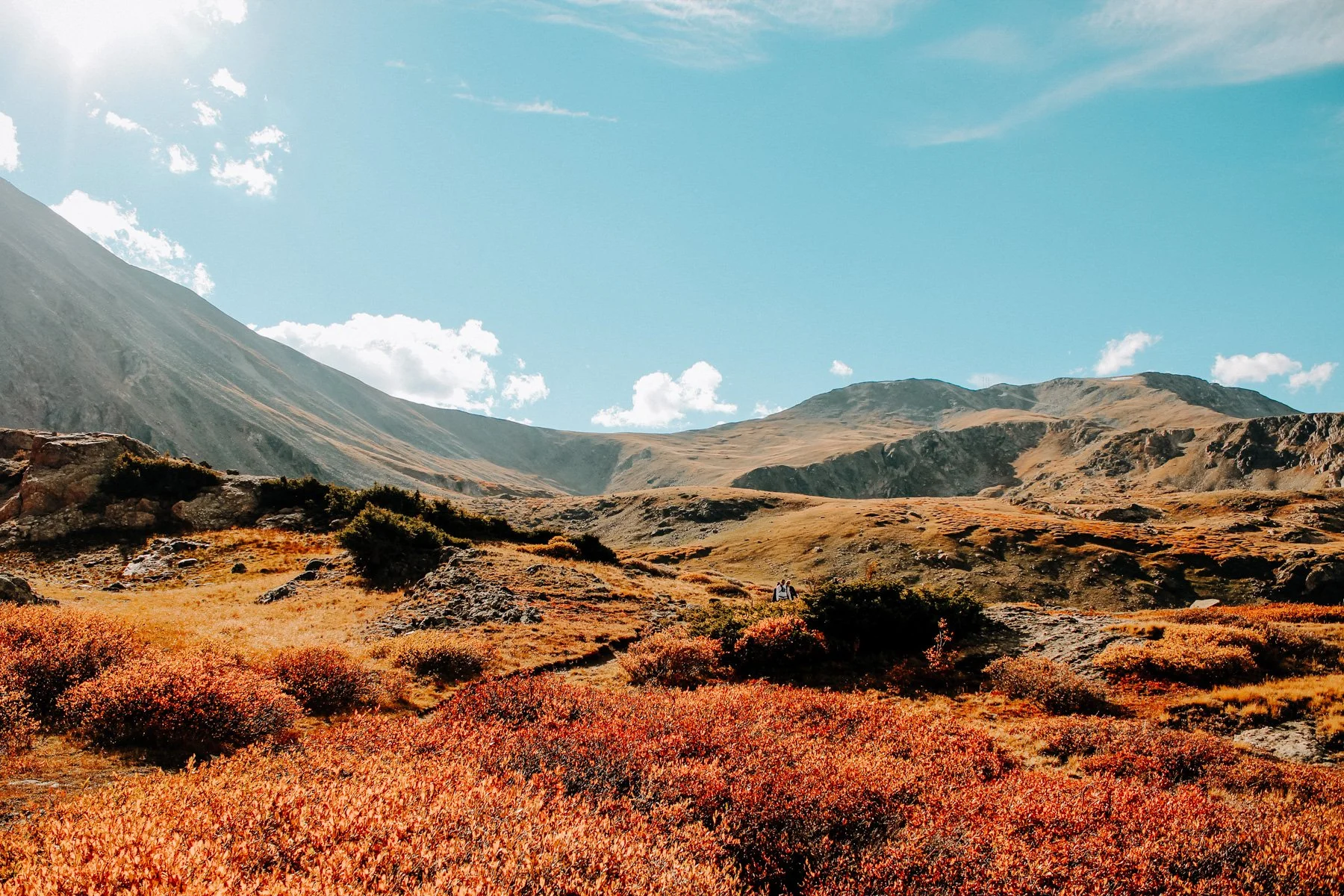
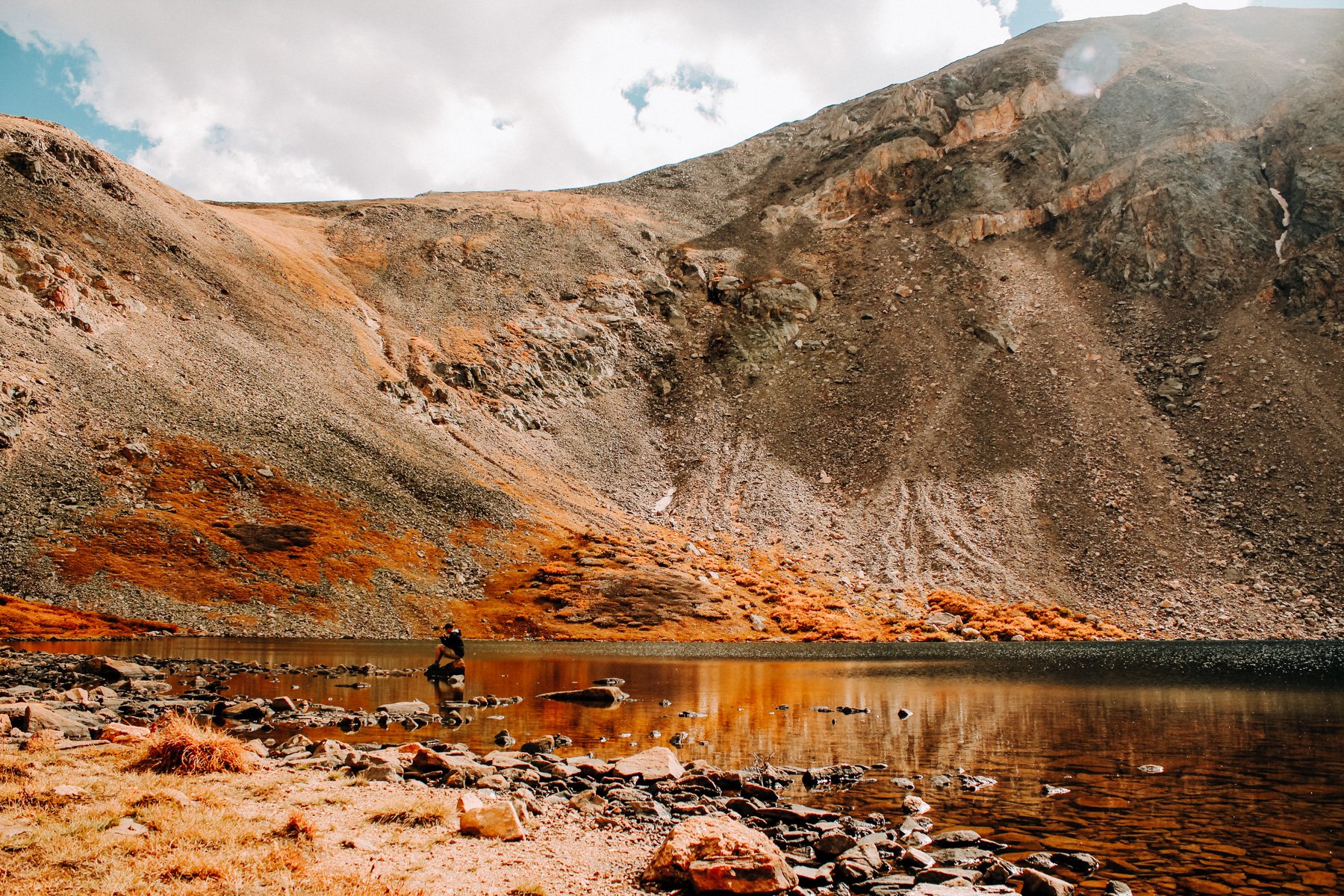
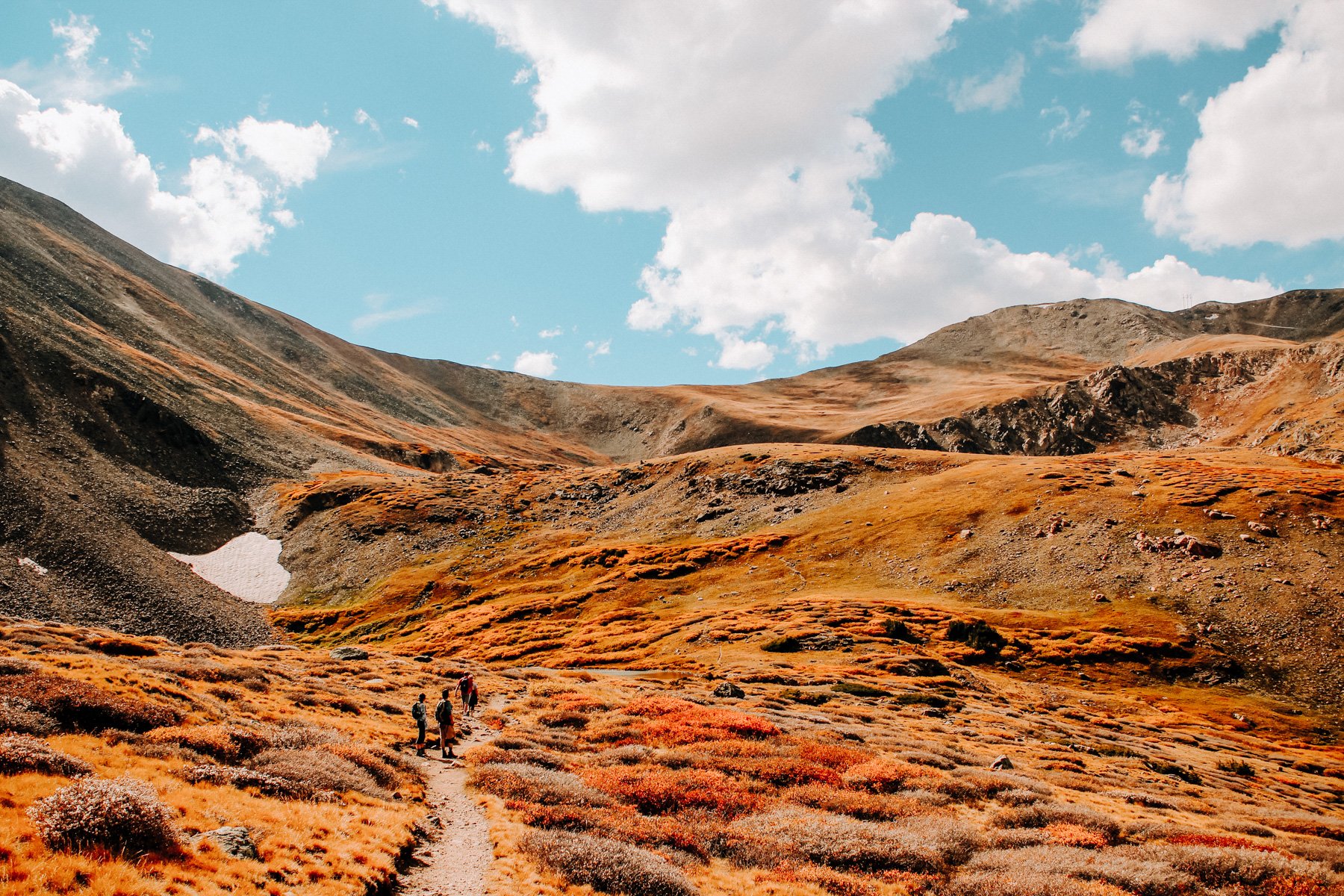
1. chief Mountain, Arapaho NF 3.1 miles RT 984 feet elevation gain
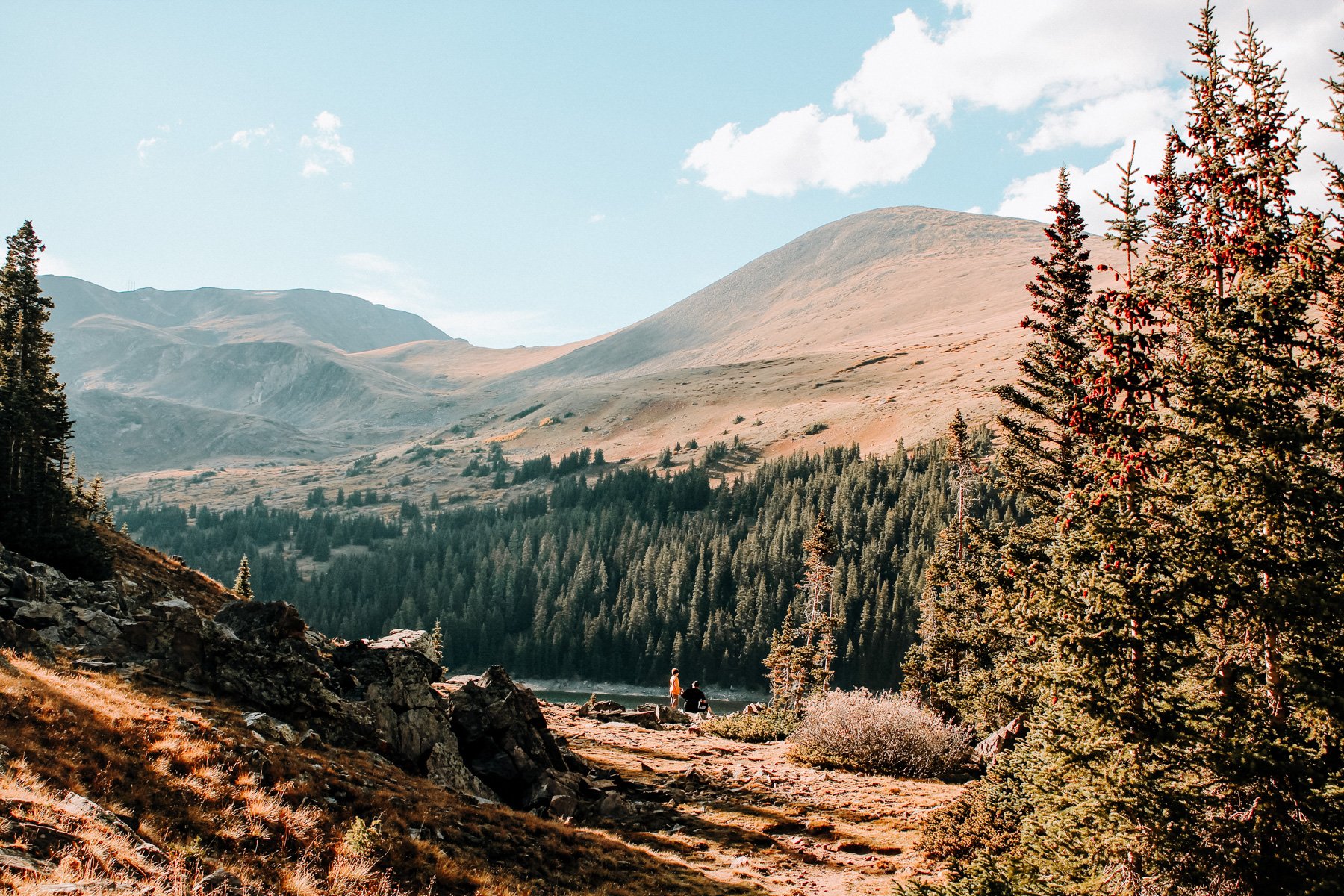
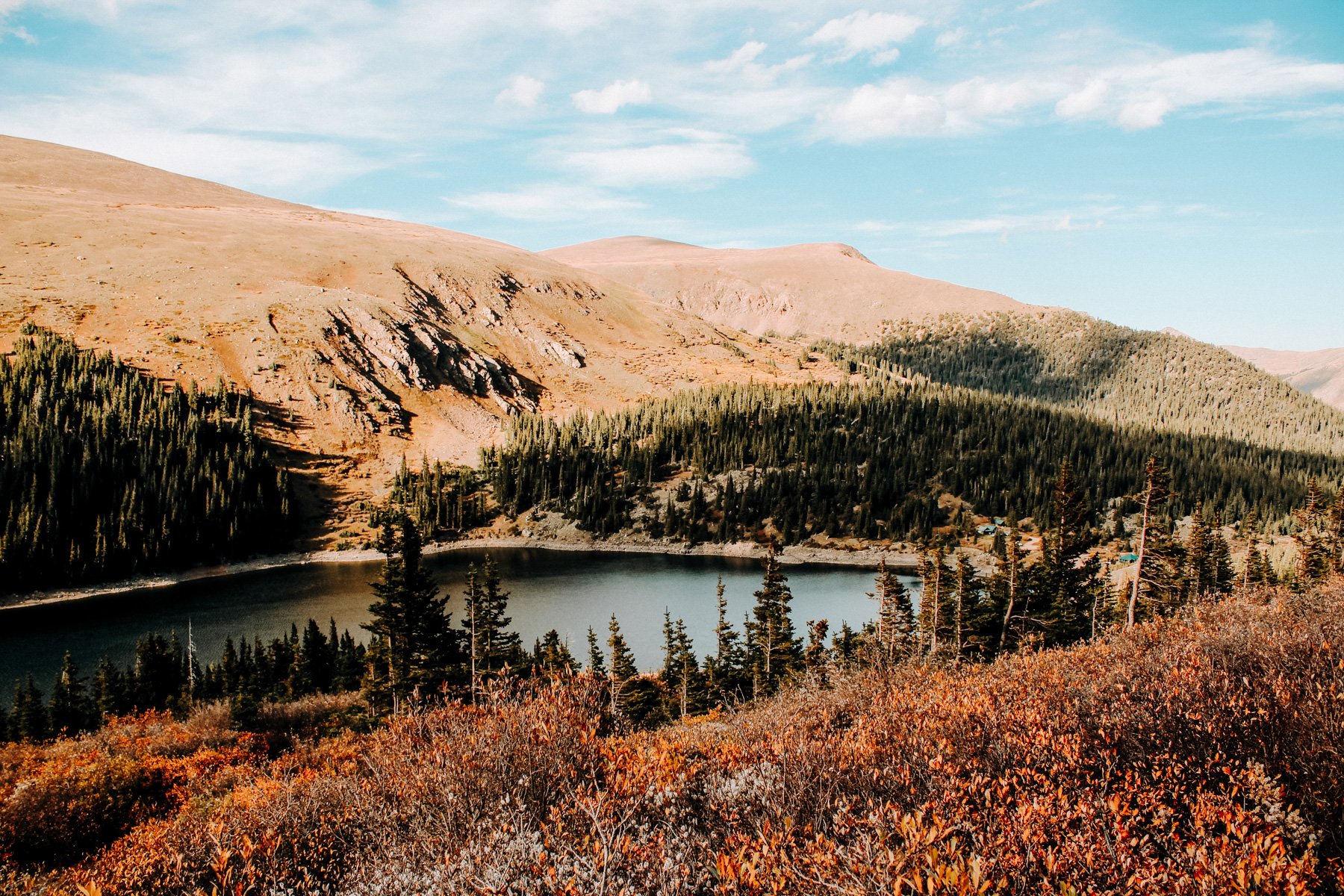
If you’ve ever asked me about hiking trails in Colorado, I’ve probably mentioned this one. My favorite trail ever, only about 45 minutes from downtown Denver, is Chief Mountain. The trailhead is an inconspicuous pull off on Mount Evans (now called Mount Blue Sky!) road, the fastest route coming from the Evergreen side.
The trail is a steady climb up through the alpine until it opens up above tree line about half way through your hike. Once above tree line you’ll see the boulder field at the top (also, its hardly a boulder field so dont let how I am wording it deter you) which is the summit. From the top you can see Squaw Mountain Fire Tower Lookout, and Mount Blue Sky, the highest of the peaks in the Northern Front Range.
Elopement potential:Exceptional. This is one of those spots that feels dramatic and epic without requiring a permit or a brutal hike. Above treeline, 360 degree views, no ceremony permit required on National Forest land, dogs welcome. Early morning weekdays you're likely to have complete privacy. If you want a little grandeur without an audience, this is my number one recommendation.
So there you have it! Ten trails I'd hike on any given weekday and also probably suggest for your elopement. If you're looking at this list thinking "okay but how do I actually get married on one of these", that's exactly what I do. I help couples plan intimate Colorado elopements from location scouting to permits to timeline to showing up with snacks and a camera. Check out pricing or get in touch here and let's figure out your perfect spot.

How to Be Prepared For the Best Hikes For your Colorado Elopement
Weather is incredibly unpredictable at higher elevation. Most of these hikes are above alpine/tree line, it is incredibly dangerous to hike during storms. Because you are so high up, you will not be able to see incoming weather on the other side of a range or peak. It is always recommended that in spring and summer you are off mountains and summits by noon for incoming storms. Colorado is in the top 5 of the nation with lightning related injuries and deaths so BE PREPARED. Know what to do if you are caught in the situation because as someone who has been caught above tree line in a storm, it is terrifying when you see lightning strike near you and you are an hour walk away from any shelter.
Also be aware that in these storms it can be 70 degrees and warm until it starts raining and the temperature drops drastically. If you are not prepared you can be soaking wet in a matter of minutes. Always carry rain gear, even if the forecast looks clear.
Additionally, many people traveling to Colorado want to go on these hikes and you should! But give yourself at least two or three days to adjust to the altitude. Altitude sickness is a very real thing and still hits me if I get above 10,000 feet, despite living in Denver at 5,280 feet for 13 years. If you start to feel dizzy or nauseous, turn around and get to lower elevation. Also if altitude sickness hits you in the form of “oh shit, I gotta shit and there is no toilet at 10,000 feet”, dig a cat hole 6 inches at least 200 feet from any lake, river, stream, wash, or water source and pack out your toilet paper if possible. Or better yet, carry a WAG bag (fancy term for non-smelly poop bag haha).
And last but not least, a lot of these trails have wildflowers in the spring and summer and so I would like to kindly remind you to please not step on, pick, or lay in them! Some wildflowers are rare and endangered so it is illegal to pick them. And all are a fragile part of the important ecosystem, (it prevents other visitors from enjoying them as well). If you’re eloping, please don’t make a wildflower field your personal dance floor. Admire them, photograph near them, just don’t step on and flatten them.
“Almost all wildflowers are fragile and many wilt and perish soon after being picked. Over the years, the repercussions of wildflower picking by unthinking people go far beyond the loss of the flowers themselves. A critical chain of events is triggered for years to come once wildflowers are lost. We don’t often realize it, but wildflowers support entire ecosystems for pollinators, birds, and small animals on a micro scale. Butterflies and other insects, small birds, and animals depend on seeds, nectar, and pollen for their food supply and life support system. In addition, some pollinators are not very mobile or have very small home ranges or depend on just one species of plant and die once their habitat has been destroyed.”